

 English

News
Focus on G AND N FORTUNE LIMITED - Get to know the new information of the industry quickly!

2026-10-08 16:29:47
Dutch Bucket Hydroponics is mainly used for growing large, heavy-feeding, fruiting plants in greenhouses and other controlled growing environments. Unlike NFT systems that are commonly used for leafy greens, a Dutch Bucket Hydroponic System provides individual growing containers filled with a suitable growing medium, making it well suited to crops such as tomatoes, cucumbers, peppers, eggplants, and melons.
A typical system uses multiple Dutch Bato Buckets connected to a water reservoir, pump, irrigation lines, and drainage pipes. Nutrient solution is delivered to each bucket through drip irrigation, while excess solution drains from the bucket and can be returned to the reservoir.
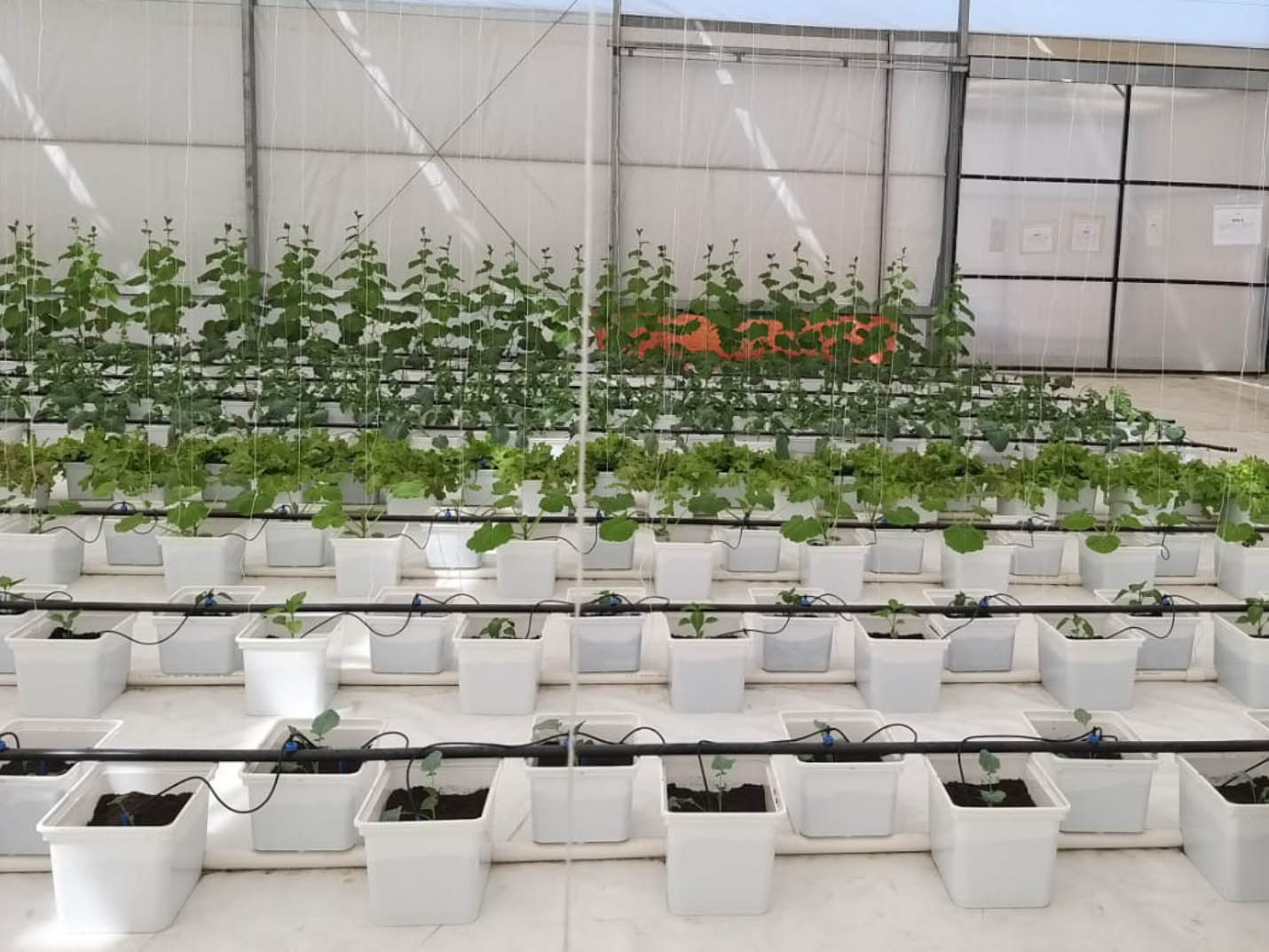
Dutch Bucket Hydroponics is a soilless growing method that uses individual buckets as growing containers. Each bucket normally contains a growing medium that supports the plant roots.
Common growing media include:
The basic water and nutrient cycle is:
Reservoir → Pump → Drip Irrigation → Dutch Bucket → Drainage → Reservoir
This recirculating design allows water and nutrients to be supplied to plants in a controlled way.
The main purpose of a Dutch Bucket Hydroponic System is to grow larger fruiting and vine crops that require more root space and structural support than many leafy vegetables.
Tomatoes are one of the most common crops grown with a Dutch Bucket Hydroponic System. The buckets provide space for root development, while drip irrigation supplies water and nutrients directly to the growing medium.
Dutch buckets can also be integrated with trellis systems to support tall tomato plants as they grow.
Cucumbers are another popular crop for Dutch Bucket Hydroponics. Their vigorous growth and large root systems make an individual bucket growing system suitable for greenhouse production.
A trellis or vertical support structure is normally used to guide cucumber vines.
Peppers can be grown successfully in a Dutch Bato Bucket because the system provides an individual growing space and allows growers to control irrigation and nutrient delivery.
Different pepper varieties can be cultivated depending on the greenhouse environment and production goals.
Eggplants are also suitable for a Hydroponic Bucket System. Their relatively large root systems and long growing cycles can benefit from the larger growing volume provided by individual buckets.
Certain melon varieties can be grown in Dutch bucket systems, particularly in commercial greenhouse environments where irrigation, root-zone conditions, and plant support can be carefully managed.
Because melon plants can produce heavy fruit, an appropriate trellis and fruit support system may be required.
One of the main advantages of Dutch Bucket Hydroponics is the individual growing container.
Each bucket provides space for a plant's growing medium and root system. This makes the system particularly useful for plants that become large or produce fruit over a longer growing cycle.
The system also allows growers to manage:
Irrigation
Nutrient delivery
Root-zone moisture
Drainage
Plant spacing
Growing media
This makes Dutch bucket systems suitable for controlled greenhouse production.
A typical Dutch Bucket Hydroponic System consists of several main components.
The reservoir stores the nutrient solution used to supply the plants.
The pump moves nutrient solution from the reservoir to the irrigation lines.
Drippers deliver water and nutrients to each Dutch bucket. The flow can be adjusted according to crop requirements and system design.
The buckets contain the growing medium and support the plants. Multiple buckets can be arranged in rows to create a commercial growing system.
Excess nutrient solution leaves the bucket through the drainage outlet. In a recirculating system, the solution can flow back to the reservoir.
A Dutch Bato Bucket is a type of hydroponic growing container commonly used in Dutch bucket systems.
A typical Bato bucket has:
A growing container
Drainage outlet
Suitable growing medium
Irrigation connection
Support for the plant and root zone
For example, a commercial Bato bucket can be made from food-grade PP with UV resistance and can be used with coco coir, perlite, clay pebbles, or other suitable media.
The exact bucket size, drainage configuration, and fittings depend on the manufacturer and growing system.
The choice of growing medium depends on the crop and irrigation system.
Coco coir is commonly used because it provides a lightweight root environment and can retain moisture while allowing drainage.
Perlite can be used alone or mixed with other media to improve drainage and aeration.
Clay pebbles provide a reusable growing medium with good drainage and root-zone aeration.
Rockwool can also be used in some Dutch bucket configurations, depending on the crop and system design.
The growing medium should be selected according to the crop, irrigation method, drainage requirements, and management practices.
Dutch Bucket Hydroponics and NFT Hydroponics are both soilless growing methods, but they are designed for different types of crops.
| Feature | Dutch Bucket Hydroponics | NFT Hydroponics |
|---|---|---|
| Growing container | Individual buckets | Growing channels |
| Growing medium | Usually used | Usually little or no medium |
| Nutrient delivery | Drip irrigation | Thin nutrient film |
| Common crops | Tomatoes, cucumbers, peppers | Lettuce, spinach, herbs |
| Root space | Relatively large | More limited by channel |
| Best suited for | Fruiting and larger plants | Leafy greens and herbs |
For large fruiting plants, a Commercial Dutch Bucket System can provide more suitable root-zone space than a conventional NFT Channel.
DWC (Deep Water Culture) is another type of hydroponic system, but its root environment is different.
In DWC, plant roots are generally suspended directly in an oxygenated nutrient solution, often with plants supported by floating rafts or net pots.
In a Dutch Bucket Hydroponic System, plants normally grow in an individual bucket filled with a growing medium, while nutrient solution is delivered through irrigation.
Therefore:
Dutch Bucket:
Growing medium + drip irrigation + drainage
DWC:
Deep nutrient solution + root immersion + aeration
The individual bucket design provides a practical root environment for larger plants and fruiting crops.
Drip irrigation allows water and nutrients to be supplied directly to each plant.
The bucket drainage system allows excess nutrient solution to leave the root zone and can support recirculating irrigation.
Buckets can be arranged according to crop size, greenhouse layout, and plant spacing requirements.
A Commercial Dutch Bucket System can be scaled by installing multiple buckets in rows and connecting them to centralized irrigation and drainage systems.
Dutch Bucket Hydroponics is commonly used in:
Commercial greenhouses
Hydroponic farms
Controlled-environment agriculture
Research and demonstration greenhouses
Indoor growing projects with suitable environmental controls
Small-scale greenhouse production
The system can be configured for different scales by changing the number of buckets, irrigation lines, reservoir capacity, and drainage layout.
When selecting a Dutch Bucket Hydroponic System, consider the following factors:
Choose the system based on whether you plan to grow tomatoes, cucumbers, peppers, eggplants, melons, or other crops.
Larger plants may require a larger growing container and more growing medium.
Choose a medium that provides suitable water retention, drainage, and root aeration.
Drip irrigation should be matched to the crop's water and nutrient requirements.
A reliable drainage system is essential for removing excess nutrient solution and maintaining suitable root-zone conditions.
Bucket spacing, irrigation lines, trellis structures, and drainage pipes should all be considered when planning the system.
Dutch Bucket Hydroponics is mainly used for growing large fruiting and vine crops such as tomatoes, cucumbers, peppers, eggplants, and melons.
Yes. Tomatoes are one of the most common crops grown in Dutch bucket systems because the individual buckets provide suitable space for their root systems and can be connected to drip irrigation.
Yes. Cucumbers can be grown in Dutch buckets, especially in greenhouse systems where irrigation and plant support can be controlled.
Yes. Peppers can be cultivated in Dutch buckets using suitable growing media, irrigation, nutrients, and environmental conditions.
Dutch Bucket Hydroponics normally uses individual buckets filled with growing media and drip irrigation, while NFT uses channels through which a thin film of nutrient solution flows.
A Dutch Bato Bucket is a hydroponic growing container used in Dutch bucket systems. It normally includes a growing space, drainage outlet, and connections for irrigation and drainage.
Yes. Multiple buckets can be connected to centralized irrigation, nutrient, and drainage systems to create a Commercial Dutch Bucket System for greenhouse production.

G and N is serving for more than 1,000 customers over 122 countries around the world, offering high-quality products and services to global customers.
Copyright © 2026 G AND N FORTUNE LIMITED All rights reserved.


