

 English

News
Focus on G AND N FORTUNE LIMITED - Get to know the new information of the industry quickly!

2026-09-29 10:02:57
If you are new to hydroponic farming, you may wonder, what is NFT in hydroponics? NFT stands for Nutrient Film Technique, a hydroponic growing method in which a thin film of nutrient solution continuously flows through a growing channel and passes over the plant roots.
An NFT hydroponic system does not require traditional soil. Instead, plants are supported by an NFT Channel, while their roots receive water and dissolved nutrients from the flowing solution. This growing method is commonly used for leafy vegetables and herbs in home gardens, greenhouses, indoor farms, and commercial hydroponic systems.
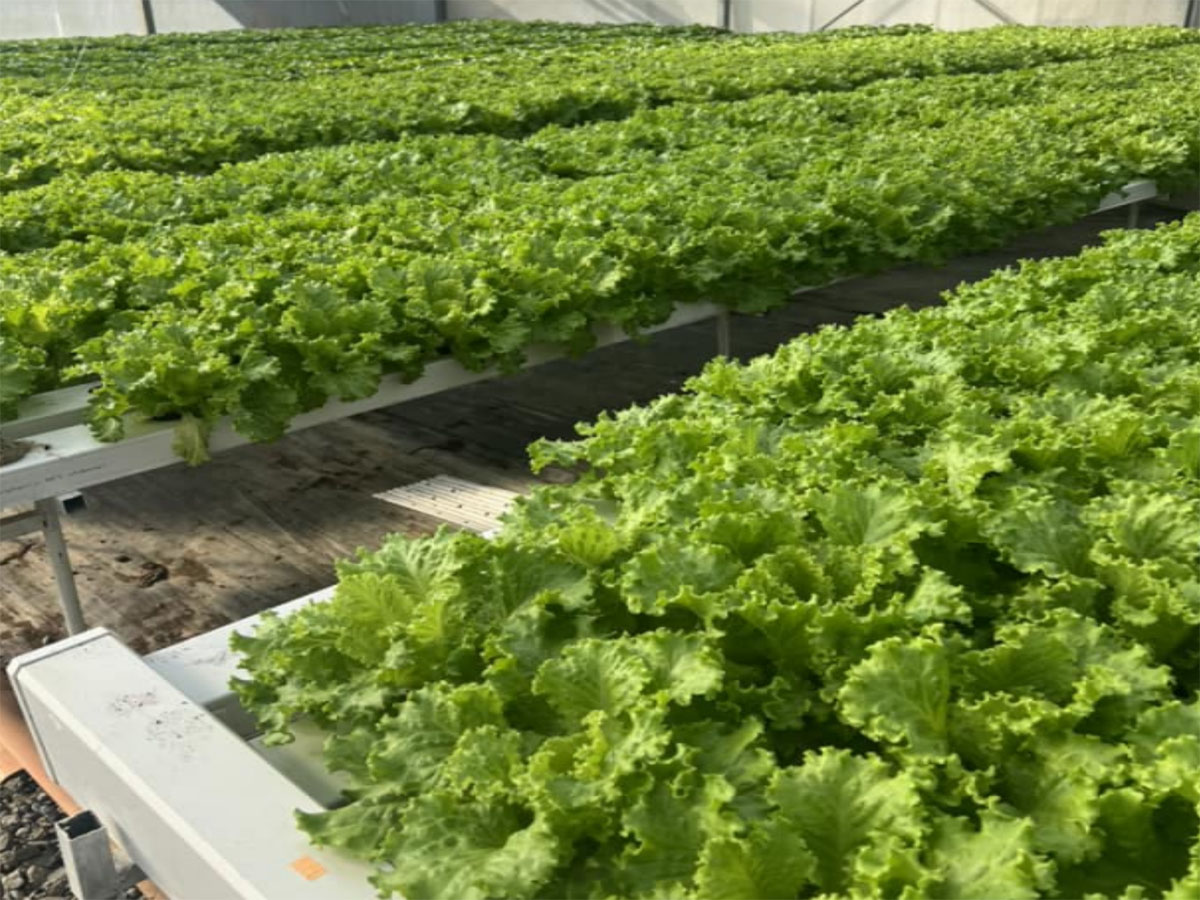
NFT stands for Nutrient Film Technique.
The word “film” refers to the thin layer of nutrient solution flowing along the bottom of the growing channel. The roots have access to this nutrient solution while also being exposed to air inside the channel.
A typical NFT hydroponic system includes:
Nutrient solution reservoir
Water pump
NFT hydroponic channels
Drainage pipes
Planting holes
Net Pots or plant holders
Growing plants
The nutrient solution is pumped from the reservoir into the higher end of the hydroponic channel and flows toward the drainage end before returning to the reservoir.
The working principle of NFT hydroponics is relatively simple.
Water is mixed with the nutrients required by the plants and stored in a reservoir.
A water pump moves the nutrient solution from the reservoir to the NFT growing channels.
The solution enters the NFT channel and flows along the bottom as a thin film.
The channel is normally installed with a slight slope to help the nutrient solution move toward the drainage end.
Plants are positioned in planting holes above the channel. Their roots extend into the channel and contact the flowing nutrient solution.
After passing through the channel, the nutrient solution drains back into the reservoir and can be recirculated through the system.
This creates a continuous water and nutrient circulation process.
An NFT channel is the growing channel used in a Nutrient Film Technique system.
It provides support for plants while creating a controlled path for nutrient solution to flow beneath the roots.
Depending on the system design, an NFT hydroponic channel may be installed horizontally, vertically, or in other configurations.
Commercial systems may use multiple NFT channels arranged in parallel rows to increase the available growing area.
Hydroponic channels are used in different hydroponic growing systems to support plants and deliver water or nutrient solution to their roots.
NFT systems are one of the most common applications for hydroponic channels.
A properly designed hydroponic channel should allow suitable nutrient solution flow, provide enough space for plant roots, and support convenient planting and maintenance.
For commercial growing, channel dimensions, length, slope, planting-hole spacing, drainage, and material should be selected according to the crop and system requirements.
NFT is particularly suitable for plants with relatively compact root systems.
Common crops include:
Lettuce
Spinach
Pak choi
Kale
Basil
Mint
Cilantro
Other leafy greens and herbs
These crops can be grown in an NFT hydroponic system where the roots receive a continuous supply of water and nutrients.
For larger fruiting crops with extensive root systems, other hydroponic methods such as Dutch Bucket or drip systems may be more suitable depending on the application.
NFT hydroponics does not require traditional agricultural soil. Plants receive nutrients through the circulating nutrient solution.
The flowing nutrient solution provides plant roots with access to water and dissolved nutrients.
In a properly designed system, nutrient solution can be collected after passing through the NFT channels and returned to the reservoir.
NFT channels can be arranged in compact horizontal layouts or integrated into vertical growing structures, helping growers make better use of available space.
NFT systems can be used in greenhouses, indoor farms, commercial hydroponic facilities, and other controlled growing environments.
The material of an NFT hydroponic channel is important because the channel is continuously exposed to water, nutrients, and the growing environment.
Common considerations include:
Water resistance
Structural stability
Ease of cleaning
UV resistance for outdoor or greenhouse use
Appropriate channel dimensions
Compatibility with the irrigation and drainage system
PVC is commonly used for hydroponic channels because it can be formed into practical channel structures and is suitable for many hydroponic applications.
For commercial projects, growers should select channel materials according to the intended environment, crop, system design, and applicable material requirements.
A commercial NFT hydroponic system may use dozens or hundreds of channels depending on the size of the growing operation.
Important design considerations include:
Longer channels require careful consideration of nutrient solution distribution and drainage.
A suitable slope helps nutrient solution flow from the inlet toward the drainage end.
Spacing should match the mature size of the selected crop to avoid excessive competition for light and growing space.
The irrigation system should distribute nutrient solution evenly, while the drainage system should efficiently return the solution to the reservoir.
NFT channels can be arranged horizontally or vertically according to greenhouse dimensions, available floor space, lighting, and crop requirements.
NFT and DWC are both popular soilless growing methods, but their root environments are different.
| Feature | NFT Hydroponics | DWC Hydroponics |
|---|---|---|
| Full name | Nutrient Film Technique | Deep Water Culture |
| Main structure | NFT hydroponic channel | DWC floating raft |
| Root environment | Thin flowing nutrient solution | Roots remain in nutrient solution |
| Plant support | NFT channel | Floating raft |
| Water depth | Shallow film | Deeper nutrient solution |
| Typical crops | Leafy greens and herbs | Leafy vegetables and other suitable crops |
| Oxygen management | Roots have access to air around the film | Oxygenation is important because roots remain in water |
In other words, NFT uses a hydroponic channel, while DWC commonly uses a Hydroponic Floating Raft.
The terms NFT channel, hydroponic channel, and hydroponic gully can sometimes be used interchangeably in product descriptions, but the exact terminology should reflect the actual product design.
An NFT channel is specifically associated with the Nutrient Film Technique. A hydroponic gully is a broader term that can describe a channel-shaped structure used for soilless growing.
For an NFT product page, NFT Hydroponic Channel is generally a more specific keyword than the broader term Hydroponic Channel.
When selecting an NFT hydroponic channel, consider the following factors:
Choose the channel according to the root structure and mature size of the crops.
Width, depth, length, and planting-hole spacing should match the growing requirements.
Consider durability, water resistance, UV resistance, cleaning requirements, and the intended growing environment.
The channel should be compatible with the irrigation and drainage system and allow appropriate nutrient solution flow.
Indoor farms, commercial greenhouses, outdoor gardens, and vertical farms may require different channel configurations.
NFT systems can be used in a variety of growing environments, including:
Commercial greenhouses
Indoor hydroponic farms
Vertical farms
Home hydroponic gardens
Research facilities
Controlled-environment agriculture
Commercial vegetable production
Multiple hydroponic channels can be combined to create larger production systems according to available space and crop requirements.
NFT means Nutrient Film Technique. It is a hydroponic method in which a thin film of nutrient solution flows continuously through a growing channel and passes over plant roots.
An NFT channel is a growing channel designed for Nutrient Film Technique systems. Plants are supported above the channel while their roots extend into the channel to access the flowing nutrient solution.
NFT uses a thin layer of flowing nutrient solution in a channel, while DWC keeps plant roots directly in a deeper nutrient solution.
NFT is commonly used for leafy vegetables and herbs such as lettuce, spinach, pak choi, kale, basil, mint, and cilantro.
Yes. Multiple NFT channels can be installed in commercial greenhouse systems to produce leafy vegetables and herbs.
Yes. NFT hydroponic channels can be incorporated into vertical growing structures when the irrigation, drainage, lighting, and channel layout are properly designed.
So, what is NFT in hydroponics? NFT, or Nutrient Film Technique, is a soilless growing method that continuously circulates a thin film of nutrient solution through an NFT channel. Plant roots receive water and nutrients while maintaining access to air.
With the right channel design, irrigation, drainage, and crop selection, an NFT hydroponic system can be used for home growing, greenhouse cultivation, indoor farming, and commercial vegetable production.
For growers looking for a suitable growing structure, NFT hydroponic channels, hydroponic channels, and related hydroponic channel products can be configured according to crop type, planting density, growing environment, and system scale.

G and N is serving for more than 1,000 customers over 122 countries around the world, offering high-quality products and services to global customers.
Copyright © 2026 G AND N FORTUNE LIMITED All rights reserved.


