
 English

News
Focus on G AND N FORTUNE LIMITED - Get to know the new information of the industry quickly!

2026-09-29 09:55:24
When choosing between hydroponic farming and traditional soil cultivation, many growers ask, “Is hydroponics healthier than soil?” Hydroponics is a soilless growing method that delivers water and nutrients directly to plant roots, while traditional agriculture uses soil as the primary growing medium.
Hydroponic vegetables can be a healthy choice, but it is not accurate to say that all hydroponically grown vegetables are automatically healthier than soil-grown vegetables. Nutritional value and food safety depend on factors such as crop variety, growing conditions, nutrient management, harvest maturity, and pest management.
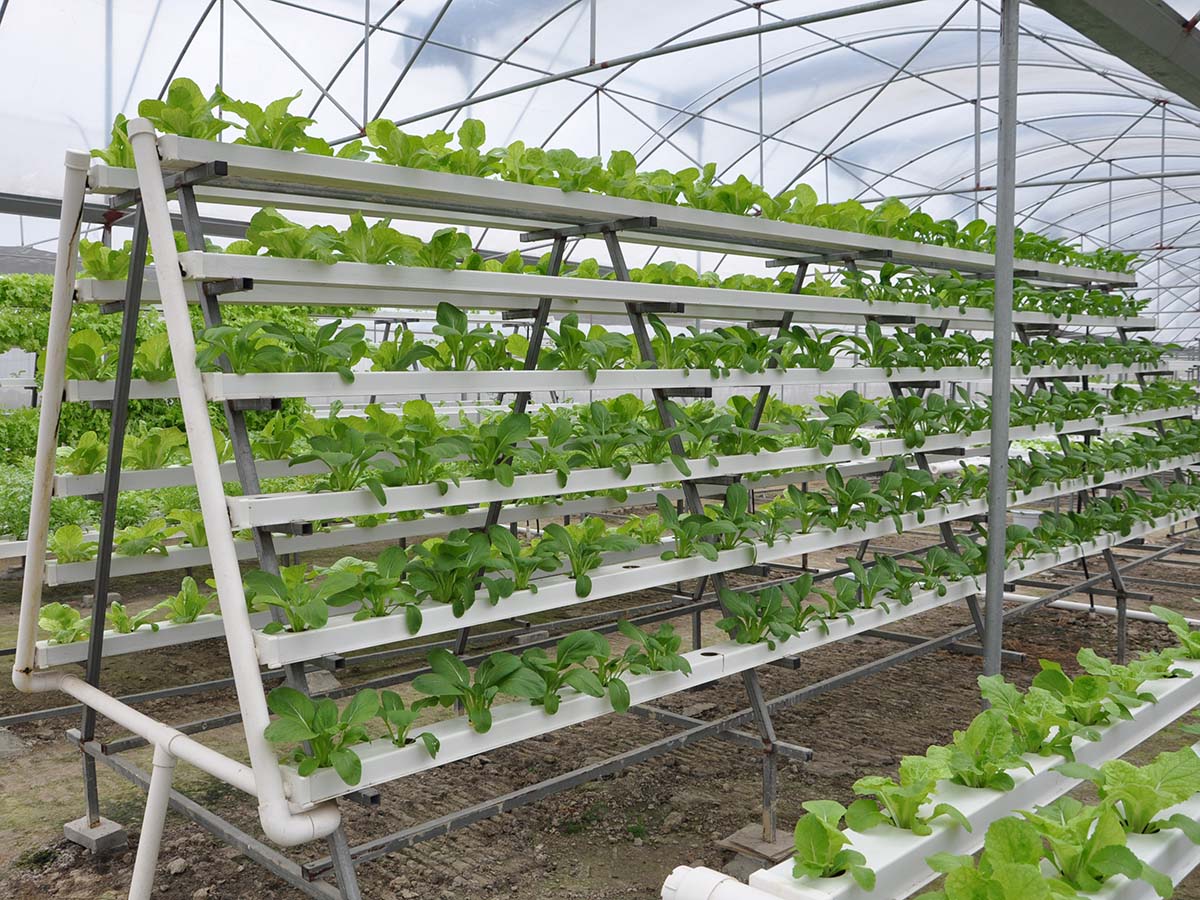
Hydroponics is a soilless cultivation method in which plants receive water and essential nutrients through a controlled growing system instead of traditional soil.
Different hydroponic systems use different structures to deliver the nutrient solution to plant roots. Common methods include NFT, DWC, drip hydroponics, Dutch Bucket systems, and vertical hydroponics.
An NFT Channel, for example, uses a slightly inclined growing channel to allow a thin film of nutrient solution to flow along the bottom. Plant roots extend into the channel and absorb water and nutrients as the solution passes through.
A hydroponic channel can therefore be an important part of an NFT hydroponic system, particularly for leafy vegetables and herbs.
The answer depends on what “healthier” means.
If the question is about the nutritional quality of vegetables, hydroponics does not automatically make vegetables more nutritious than soil-grown crops. Both growing methods can produce nutritious vegetables when crops receive suitable light, water, nutrients, and environmental conditions.
However, hydroponics provides growers with greater control over several aspects of cultivation. Nutrient concentrations, water delivery, growing environment, and root-zone conditions can be monitored and adjusted throughout the growing cycle.
This level of control is one reason why hydroponics is widely used for controlled-environment agriculture.
Hydroponics and soil cultivation have different growing principles.
| Factor | Hydroponics | Soil Growing |
|---|---|---|
| Growing medium | Water and/or soilless media | Soil |
| Nutrient management | Directly managed through nutrient solution | Influenced by soil nutrients and fertilizers |
| Water management | Can be closely controlled | Depends on soil and irrigation |
| Root environment | Controlled within the hydroponic system | Influenced by soil structure and conditions |
| Soil-related problems | Reduced because no traditional soil is used | May include soil-borne pests and diseases |
| Growing location | Indoor, greenhouse, and outdoor systems | Usually soil-based growing areas |
| Space efficiency | Can be designed for compact or vertical production | Depends on available land and layout |
Neither method is automatically healthier in every situation. The final quality of the vegetables depends heavily on how the system is managed.
Yes. Hydroponically grown vegetables can be part of a healthy diet.
Leafy greens such as lettuce, spinach, kale, and pak choi can be cultivated in hydroponic systems when the appropriate growing conditions are maintained.
A hydroponic growing system allows growers to manage factors such as:
Water supply
Nutrient concentration
Growing environment
Root-zone conditions
Irrigation
Crop spacing
Harvest timing
However, hydroponic cultivation does not eliminate the need for good agricultural practices. Proper sanitation, water quality, nutrient management, pest control, and harvesting procedures remain important.
Hydroponics does not automatically mean chemical-free or pesticide-free.
Because hydroponic systems do not rely on traditional soil, some soil-related pests and diseases can be reduced. However, plants can still experience insect pests, fungal problems, and other growing issues.
Good system design and environmental management can help growers maintain suitable growing conditions, but pest management is still necessary when problems occur.
Therefore, the terms hydroponic, organic, and pesticide-free should not be treated as interchangeable.
One of the common hydroponic structures is the growing channel.
In NFT systems, an NFT channel provides a pathway for nutrient solution to flow past plant roots. The channel is usually installed with a slight slope so that the nutrient solution can move from the higher end toward the drainage end.
Hydroponic channels can be used in horizontal or vertical growing systems depending on the design of the farm.
For example, an NFT system may include:
Nutrient Reservoir → Pump → NFT Channels → Plant Roots → Drainage → Reservoir
The nutrient solution can then be recirculated through the system.
An NFT channel is particularly suitable for crops with relatively compact root systems, including many leafy vegetables and herbs.
Common crops include:
Lettuce
Spinach
Pak choi
Kale
Basil
Mint
Cilantro
Other leafy greens
The design of the nft channels can influence water flow, planting spacing, drainage, and access for maintenance.
For commercial projects, growers may use multiple hydroponics channels arranged in parallel rows to increase the available growing area.
The design of a hydroponic channel needs to match the requirements of the crop and the overall hydroponic system.
Important considerations can include:
The layout determines how plants are distributed throughout the growing area. Horizontal systems are common in greenhouses, while vertical arrangements can make better use of limited floor space.
An NFT system needs an appropriate flow of nutrient solution through the channels. Flow requirements can vary according to channel length, slope, crop type, and system design.
Proper drainage allows nutrient solution to return to the reservoir and helps maintain continuous circulation.
Planting holes should provide enough space for the selected crop to develop without excessive competition for light and growing space.
Commercial farms can use multiple hydroponics channels to create organized growing areas for vegetables and herbs.
Depending on the farm design, hydroponic channels can be installed in:
Commercial greenhouses
Indoor farms
Vertical farms
Home gardens
Research facilities
Controlled-environment agriculture
For commercial applications, channel material, dimensions, planting-hole configuration, irrigation design, drainage, and system layout should be selected according to the crop and growing environment.
One potential advantage of hydroponics is the ability to recirculate water and nutrients within a properly designed system.
For example, an NFT system can collect nutrient solution after it passes through the nft channel and return it to a reservoir. The solution can then be pumped back into the growing channels.
This recirculating design can reduce unnecessary water loss compared with some conventional irrigation methods, although actual water consumption depends on system design, climate, crop type, evaporation, and management practices.
There is no simple rule that hydroponic vegetables are always more nutritious than soil-grown vegetables.
Nutritional composition can be affected by:
Plant variety
Growing conditions
Nutrient availability
Light intensity
Temperature
Harvest maturity
Storage conditions
Hydroponic systems can provide precise control over nutrient availability, but this does not automatically guarantee higher nutritional value.
Therefore, it is more accurate to say that hydroponics provides a controlled growing environment rather than claiming that hydroponically grown vegetables are inherently healthier.
The main difference is the growing environment.
In soil cultivation, soil provides physical support and acts as a reservoir for water and nutrients. In hydroponics, growers use water, nutrient solutions, and structures such as hydroponic channels to provide plants with the resources they need.
This makes hydroponics particularly useful where growers want greater control over the root environment or where suitable agricultural soil is limited.
The best hydroponic system depends on the crop, available space, production scale, and growing environment.
For leafy vegetables, an NFT system using an NFT channel can be a practical option. For larger fruiting crops, other systems such as Dutch Buckets or drip systems may be more appropriate.
When selecting hydroponic channels, consider:
Crop type
Channel dimensions
Planting-hole spacing
Channel length
Water flow
Drainage
Available growing space
Indoor or greenhouse application
Cleaning and maintenance requirements
A properly selected channel can make the hydroponic system easier to operate and maintain.
Hydroponics is not automatically healthier than soil cultivation. Both methods can produce nutritious vegetables when crops are grown under suitable conditions and managed properly.
Hydroponically grown vegetables can be safe to eat when the water, nutrients, growing environment, sanitation, and pest management are properly controlled.
No. Hydroponics is a soilless growing method. Some hydroponic systems may use inert growing media to support plants, but traditional agricultural soil is not required.
An NFT channel is a growing channel used in Nutrient Film Technique hydroponics. A thin flow of nutrient solution moves through the channel while plant roots absorb water and nutrients.
Hydroponic channels are used to support plants and deliver nutrient solution in certain hydroponic systems. NFT systems commonly use channels for growing leafy vegetables and herbs.
Yes. Multiple nft channels can be arranged in commercial greenhouse or indoor farming systems for organized production of leafy vegetables and herbs.
So, is hydroponics healthier than soil? There is no universal answer that makes one growing method healthier in every situation. Hydroponics offers a controlled, soilless growing environment and can produce high-quality vegetables when properly managed, while soil cultivation can also produce nutritious and healthy crops.
The key factors are not simply whether a crop is grown in water or soil, but how the crop is cultivated, including nutrient management, water quality, environmental control, pest management, harvesting, and storage.
For growers interested in controlled vegetable production, systems using an NFT channel, hydroponic channel, or multiple hydroponics channels provide different ways to manage water and nutrient delivery according to the crop and production requirements.

G and N is serving for more than 1,000 customers over 122 countries around the world, offering high-quality products and services to global customers.
Copyright © 2026 G AND N FORTUNE LIMITED All rights reserved.


