
 English

News
Focus on G AND N FORTUNE LIMITED - Get to know the new information of the industry quickly!

2026-09-17 09:50:37
What are the benefits of hydroponics? Hydroponics is a soilless growing method that delivers water and nutrients directly to plant roots through a controlled growing system. Instead of relying on traditional soil, a hydroponic growing system uses nutrient solution, growing channels, containers, towers, or other structures to support plant growth.
From home gardens to commercial farms, hydroponic farming is increasingly used for growing leafy greens, herbs, vegetables, fruits, and even green animal fodder. The main benefits of hydroponics include efficient water use, better control of nutrients, space-efficient growing, and reduced dependence on agricultural soil.
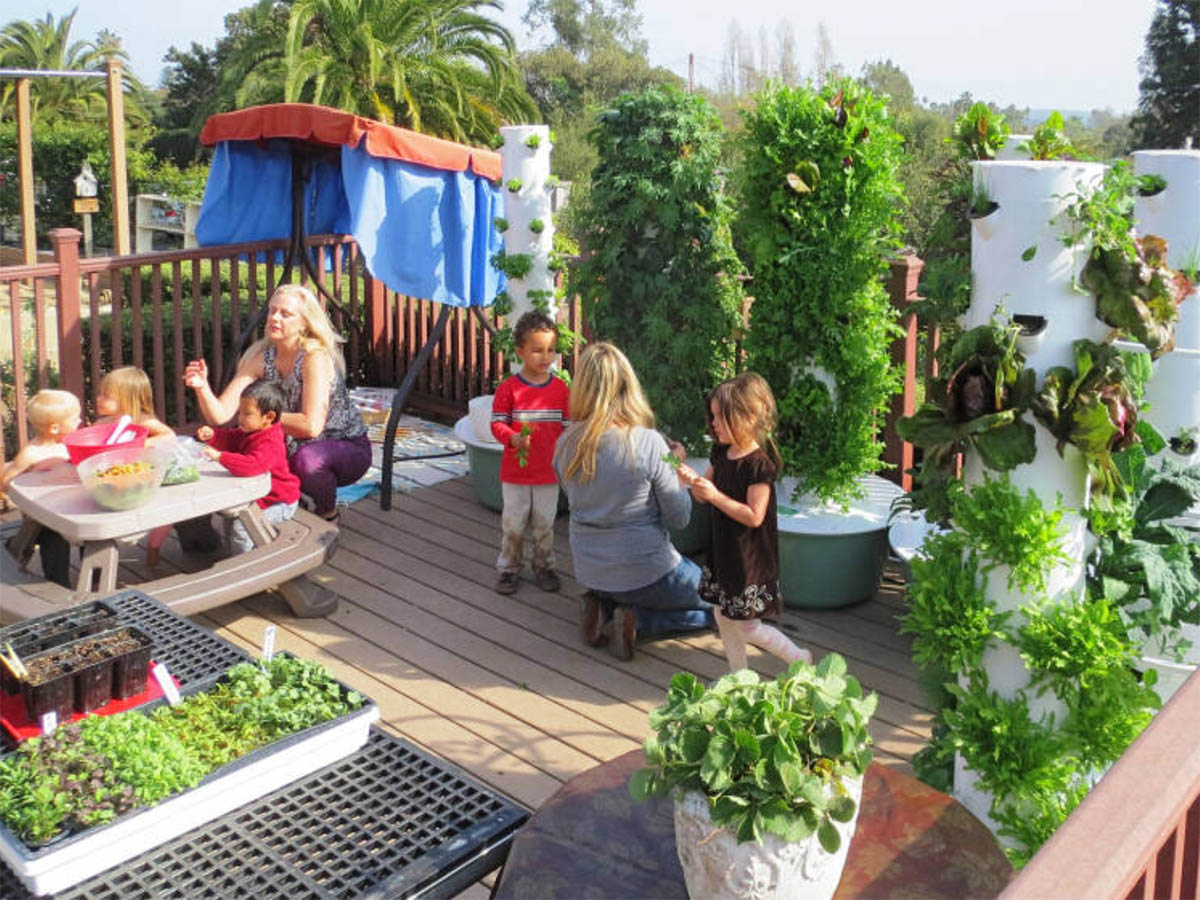
Hydroponics is a method of growing plants without traditional soil. Plant roots receive water and essential nutrients from a prepared nutrient solution.
Depending on the system design, the nutrient solution can flow through channels, circulate around plant roots, drip into growing containers, or be delivered through other irrigation methods.
Common types of hydroponic systems include:
NFT Hydroponic System
DWC Hydroponic System
Dutch Bucket System
Drip Hydroponic System
Vertical Hydroponic System
Ebb and Flow System
Aeroponic System
Each system has a different growing structure and nutrient delivery method, but all are based on controlled delivery of water and nutrients to plants.
There are several important benefits of hydroponics, especially when the system is properly designed and managed.
One of the major advantages of hydroponics is efficient water management.
Many hydroponic growing systems recirculate nutrient solution between the growing area and a water reservoir. Instead of allowing water to drain away through soil, the system can collect and reuse the solution.
This makes water circulation easier to monitor and manage, particularly in controlled growing environments.
Systems such as NFT hydroponics continuously move a shallow layer of nutrient solution through growing channels, while other systems use different circulation methods.
In traditional soil cultivation, plant roots obtain nutrients from the surrounding soil. In hydroponics, nutrients are dissolved in water and delivered directly to the root zone.
This allows growers to monitor and adjust nutrient concentration according to crop requirements.
A properly managed hydroponic system can therefore provide a more controlled nutrient environment for plant growth.
Another important benefit of hydroponics is its ability to make efficient use of available space.
A traditional horizontal field requires a relatively large growing area. Hydroponic systems can instead use channels, racks, towers, or multiple growing levels.
For example, a Vertical Hydroponic System places growing areas at different heights, making it suitable for:
Indoor farms
Greenhouses
Urban agriculture
Rooftop growing
Small production areas
Commercial controlled-environment farms
A vertical configuration can increase the number of growing positions available within a limited floor area.
Hydroponics does not require traditional agricultural soil. This makes it useful in locations where suitable soil is limited, unavailable, or difficult to manage.
A Soilless Growing System can be installed in greenhouses, indoor farms, warehouses, urban environments, and other controlled growing spaces.
This also allows growers to design the growing environment around the crop instead of depending entirely on existing soil conditions.
Hydroponic farming allows growers to manage several important factors more directly.
Depending on the system, these can include:
Water supply
Nutrient concentration
pH
Irrigation
Root-zone conditions
Lighting
Temperature
Humidity
Environmental control does not automatically guarantee better plant growth, but it gives growers more tools to create consistent growing conditions.
Because hydroponic systems do not use conventional soil, they can reduce problems associated with soil-based cultivation.
These may include soil compaction, weeds, and some soil-borne disease risks.
However, hydroponic systems can still experience problems such as algae, root diseases, clogged irrigation lines, and nutrient imbalances. Proper cleaning and system maintenance remain important.
Hydroponic systems can be designed for different crops, production scales, and installation environments.
For example, NFT Hydroponic Channels are commonly used for leafy greens and herbs. Dutch Bucket systems are often suitable for larger fruiting crops, while Vertical Towers can be used where floor space is limited.
Commercial growers can also combine multiple components to create a customized Commercial Hydroponic System.
Hydroponics works well with controlled-environment agriculture.
A greenhouse hydroponic system can combine growing channels or containers with irrigation, drainage, environmental control, and other equipment.
Indoor hydroponic farms can use artificial lighting and controlled environmental conditions to create a dedicated growing space.
This flexibility makes hydroponics suitable for different production models and locations.
Hydroponics can be used to grow a wide range of crops, although the most suitable system depends on the crop's root structure, size, growing period, and environmental requirements.
Common hydroponic crops include:
Lettuce
Spinach
Kale
Pak choi
Basil
Mint
Cilantro
Parsley
Tomatoes
Cucumbers
Peppers
Strawberries
For example, NFT hydroponics is commonly suitable for leafy greens and herbs because these crops generally have relatively small root systems.
Larger fruiting crops can be grown using systems such as Dutch buckets or other substrate-based hydroponic systems.
Hydroponics is not limited to human food crops. It can also be used to produce fresh green fodder for livestock.
A Hydroponic Fodder System uses trays or growing gutters to germinate seeds such as barley, wheat, oats, or other suitable fodder crops.
The basic process is:
Seeds → Germination → Hydroponic Growing → Green Fodder → Livestock Feed
A Vertical Hydroponic Fodder System can use multiple growing layers to make efficient use of indoor space.
For livestock farms, this approach can provide a controlled method for producing fresh green fodder without traditional field cultivation.
Hydroponics and traditional soil cultivation use different approaches to provide plants with water, nutrients, and physical support.
| Factor | Hydroponics | Traditional Soil Growing |
|---|---|---|
| Growing medium | Nutrient solution and/or inert media | Soil |
| Water delivery | Controlled irrigation or circulation | Mainly through soil |
| Nutrient management | Directly managed in nutrient solution | Depends largely on soil fertility and fertilization |
| Space use | Can use vertical or multi-level designs | Usually horizontal |
| Soil required | No traditional soil | Yes |
| Environment control | Can be highly controlled | More dependent on outdoor conditions |
| Suitable applications | Indoor, greenhouse, urban, commercial | Field, garden, greenhouse |
Neither method is suitable for every crop or production environment. The choice depends on crop requirements, available space, investment, climate, labor, and management capabilities.
Understanding the benefits of hydroponics also means considering its limitations.
A hydroponic growing system requires equipment such as reservoirs, pumps, channels, pipes, racks, or other components. A commercial installation can therefore require more initial investment than simple soil cultivation.
Hydroponic systems depend on proper water and nutrient management. Growers need to monitor parameters such as pH, nutrient concentration, water level, and system flow.
Many recirculating hydroponic systems rely on pumps and irrigation equipment. Equipment failure can affect water and nutrient delivery, so regular inspection and appropriate backup planning are important for commercial systems.
Hydroponics can offer greater environmental control, but this also means growers need to understand irrigation, nutrient management, plant requirements, and system maintenance.
Hydroponics can be used for commercial farming when the crop, system design, growing environment, and operating costs are suitable.
A Commercial Hydroponic System can be customized according to:
Crop type
Available space
Greenhouse or indoor environment
Production capacity
Channel arrangement
Irrigation requirements
Drainage design
Automation requirements
For leafy greens, an NFT Hydroponic System can provide a practical channel-based growing solution. For larger crops, Dutch bucket or substrate-based systems may be more appropriate.
The best system depends on the specific production requirements rather than simply choosing the most complex system.
When selecting a Hydroponic Growing System, consider the following factors:
Different crops have different root structures, sizes, and nutrient requirements. Choose a system that matches the crop.
For limited floor space, a Vertical Hydroponic System or multi-layer design may be suitable. Greenhouses with larger floor areas can use horizontal NFT Channels or other layouts.
A small home system and a commercial hydroponic farm have very different equipment and infrastructure requirements.
The system should provide reliable nutrient delivery and drainage. Recirculating systems also require an appropriately sized reservoir and pump.
Consider how easily channels, pipes, reservoirs, and other components can be inspected and cleaned.
For commercial projects, customized hydroponic channels, growing racks, irrigation systems, and layouts can help match the system to the available space and crop requirements.
The benefits of hydroponics come mainly from its controlled approach to water, nutrients, and growing space. A well-designed hydroponic growing system can reduce dependence on soil, make efficient use of available space, provide direct nutrient delivery, and support indoor, greenhouse, and commercial growing.
Different systems serve different purposes. NFT hydroponics is widely suited to leafy greens and herbs, while vertical systems can maximize growing space and hydroponic fodder systems can be used for green livestock feed.
For any hydroponic project, the most important factors are the crop, growing environment, system design, water management, and ongoing maintenance.

G and N is serving for more than 1,000 customers over 122 countries around the world, offering high-quality products and services to global customers.
Copyright © 2026 G AND N FORTUNE LIMITED All rights reserved.


