

 English

News
Focus on G AND N FORTUNE LIMITED - Get to know the new information of the industry quickly!

2026-09-08 10:48:04
What is NFT hydroponics? NFT hydroponics stands for Nutrient Film Technique, a type of soilless growing system that delivers a thin, continuous or scheduled flow of nutrient solution to plant roots. Instead of growing plants in traditional soil, an NFT hydroponic system uses specially designed growing channels to support plants while allowing their roots to access water, nutrients, and oxygen.
NFT hydroponics is widely used for growing leafy greens and herbs and can be installed in greenhouses, indoor farms, vertical farming systems, and commercial hydroponic facilities. Its simple water circulation principle and efficient use of growing channels make it a popular choice for controlled-environment agriculture.
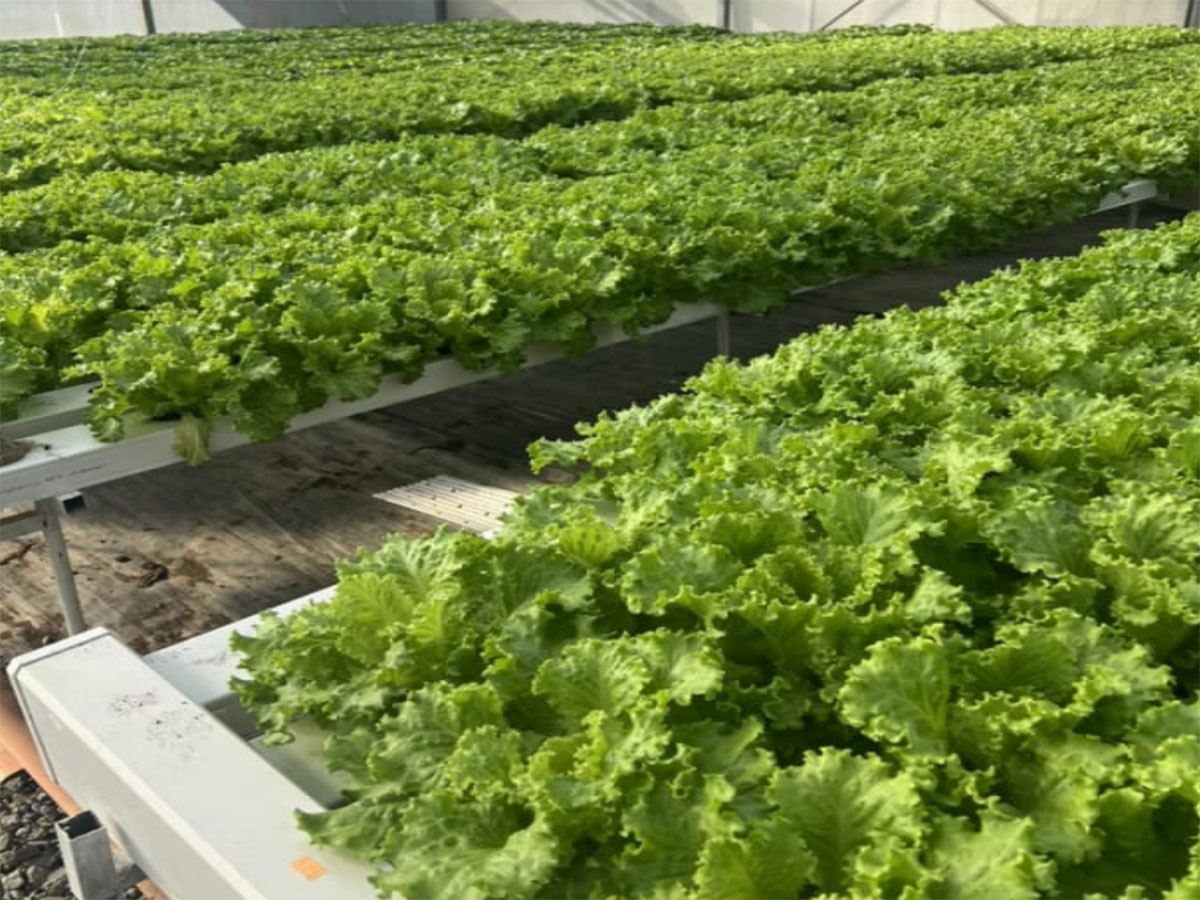
NFT hydroponics, or Nutrient Film Technique, is a hydroponic growing method in which a shallow film of nutrient solution flows along the bottom of a slightly inclined growing channel.
Plants are placed into openings along the top of the channel. Their roots extend into the channel and come into contact with the flowing nutrient solution. At the same time, part of the root system can remain exposed to air, helping provide access to oxygen.
Unlike traditional soil cultivation, an NFT hydroponic system does not rely on soil to provide water or nutrients. Instead, nutrients are dissolved in water and delivered directly to the plant root zone.
The working principle of an NFT hydroponic system is relatively simple. A pump moves nutrient solution from a reservoir to the upper end of an NFT Channel. The channel is installed with a suitable slope so that the solution flows toward the drainage end.
The basic process is:
Water Reservoir → Pump → NFT Channel → Plant Roots → Drainage → Reservoir
Water and hydroponic nutrients are combined to create a nutrient solution. The solution supplies plants with the essential minerals required for growth.
Growers can monitor parameters such as nutrient concentration and pH according to the requirements of different crops.
A water pump transfers the nutrient solution from the reservoir to the NFT hydroponic channel.
The solution then flows along the bottom of the channel, forming a thin nutrient film that reaches the plant roots.
Plant roots absorb water and dissolved nutrients from the flowing solution. Because the roots are not completely submerged in a deep reservoir, they can also have access to air within the growing channel.
After flowing through the channel, the nutrient solution reaches the drainage end and can return to the reservoir in a recirculating system.
The solution can then be pumped through the system again.
An NFT channel is the main growing component used in an NFT hydroponic system. It is a long, narrow channel designed to support plants while allowing nutrient solution to flow along its bottom.
NFT channels are typically made from durable materials suitable for hydroponic cultivation. They can be designed in different lengths, widths, shapes, and configurations according to the requirements of the growing system.
A well-designed NFT hydroponic channel needs to provide sufficient space for plant roots and maintain stable nutrient solution flow.
The channel is normally installed at a slight slope. This allows gravity to move the nutrient solution from the inlet toward the drainage outlet.
A removable or fitted cover can also be used to hold Net Pots and reduce light exposure inside the channel, which can help limit algae growth.
NFT channels can be arranged in different configurations.
A horizontal NFT hydroponic system distributes channels across a growing area and is commonly used in greenhouse cultivation.
A vertical NFT system stacks or arranges channels vertically to make better use of limited floor space. This configuration can be useful for indoor farming and urban agriculture.
NFT hydroponics is particularly suitable for plants with relatively small root systems and short growing cycles.
Common NFT crops include:
Lettuce
Spinach
Kale
Pak choi
Mustard greens
Water spinach
NFT hydroponic systems can also be used for herbs such as:
Basil
Mint
Cilantro
Parsley
Chives
The appropriate crops depend on the NFT channel dimensions, planting spacing, root development, environmental conditions, and system management.
The nutrient solution flows directly through the root zone, providing plants with access to water and dissolved nutrients without traditional soil.
An NFT hydroponic system eliminates the need for conventional agricultural soil, making it suitable for controlled-environment and urban growing applications.
In a recirculating NFT system, nutrient solution can flow through the growing channels and return to the reservoir. This allows the same solution to be circulated through the system.
Actual water consumption depends on crop type, climate, evaporation, system design, and management.
NFT channels can be arranged horizontally or vertically. A Vertical NFT Hydroponic System can make better use of vertical space where floor area is limited.
Plants are positioned along accessible growing channels, making it relatively easy for growers to observe plant development, check roots, and identify potential problems.
NFT hydroponics can be integrated into greenhouses and indoor farms where growers can manage factors such as light, temperature, humidity, nutrients, and water circulation.
Although NFT hydroponics has many advantages, it also requires proper system management.
Because plant roots rely on the nutrient solution delivered through the channels, pump or circulation problems can affect the root environment.
A suitable backup or monitoring strategy may therefore be important for commercial systems.
As plants develop, their roots can occupy more space inside the channel. Excessive root growth may interfere with nutrient solution flow and drainage.
Regular inspection and maintenance can help keep the system operating properly.
NFT channels need an appropriate slope to maintain consistent nutrient solution movement. The exact slope and flow rate should be determined according to channel dimensions, crop requirements, and system configuration.
NFT is particularly suitable for leafy greens and herbs. Large, heavy, or long-cycle fruiting crops may require systems that provide greater root support and growing volume, such as a Dutch Bucket System.
Different hydroponic technologies use different methods to deliver water and nutrients.
NFT (Nutrient Film Technique) uses a thin flowing film of nutrient solution inside a growing channel.
DWC (Deep Water Culture) keeps plant roots in a deeper nutrient solution, usually with aeration to provide oxygen.
NFT is commonly used for leafy greens, while DWC can also be suitable for leafy vegetables and certain other crops.
A Dutch Bucket System uses individual buckets and growing media, with nutrient solution commonly delivered through drip irrigation.
Dutch bucket systems are often suitable for larger fruiting crops such as tomatoes, cucumbers, peppers, and eggplants.
NFT systems, by comparison, are commonly selected for compact crops with smaller root systems.
In NFT hydroponics, plant roots have access to a thin flowing nutrient solution.
In an Aeroponic System, roots are typically exposed and receive nutrient solution through spraying or misting.
Both are soilless cultivation methods, but their root-zone environments and irrigation technologies are different.
Commercial NFT hydroponics can be used for the production of leafy greens and herbs in controlled growing environments.
Multiple NFT channels can be connected to a common water and nutrient management system to create larger cultivation installations.
NFT systems can be installed in greenhouses to provide a controlled environment for crop production.
Greenhouse systems can combine NFT channels with irrigation, climate control, ventilation, and other growing equipment.
An Indoor NFT Hydroponic System can be used in warehouses, indoor farms, and other controlled environments.
When natural sunlight is insufficient, artificial grow lights can be integrated into the system.
NFT channels can also be incorporated into Vertical Farming Systems. By stacking channels at different levels, growers can increase the number of planting positions within a limited floor area.
Proper maintenance is important for stable NFT system operation.
Regularly monitor nutrient concentration, pH, water level, and other relevant parameters according to crop requirements.
Check the pump, pipes, inlet, channels, and drainage points to make sure the nutrient solution can flow properly through the system.
Growing channels should be cleaned periodically to remove roots, plant debris, algae, and other residues.
Healthy roots are an important indicator of the root-zone environment. Regular inspection can help identify problems with water flow, oxygen availability, or root development.
An NFT Hydroponic System provides a practical method for growing plants without traditional soil. By combining NFT channels, nutrient solution circulation, and controlled root-zone conditions, the system can support efficient cultivation of many leafy vegetables and herbs.
For commercial growers, greenhouse operators, indoor farms, and urban agriculture projects, NFT channels can be configured into horizontal, vertical, or customized hydroponic growing systems according to available space and production requirements.
Understanding what NFT hydroponics is and how the Nutrient Film Technique works can help growers select the appropriate hydroponic technology for their crops and cultivation environment.

G and N is serving for more than 1,000 customers over 122 countries around the world, offering high-quality products and services to global customers.
Copyright © 2026 G AND N FORTUNE LIMITED All rights reserved.


