
 English

News
Focus on G AND N FORTUNE LIMITED - Get to know the new information of the industry quickly!

2026-09-08 10:15:48
How do hydroponic systems work? Hydroponic systems grow plants without traditional soil by delivering water, oxygen, and essential nutrients directly to the plant root zone. Instead of relying on soil to store and supply nutrients, a hydroponic growing system uses a carefully managed nutrient solution to support plant growth.
Depending on the system design, water and nutrients can be delivered through flowing channels, deep-water reservoirs, drip irrigation, or spraying systems. This makes hydroponics a flexible soilless growing system for indoor farming, greenhouse production, urban agriculture, and commercial crop cultivation.
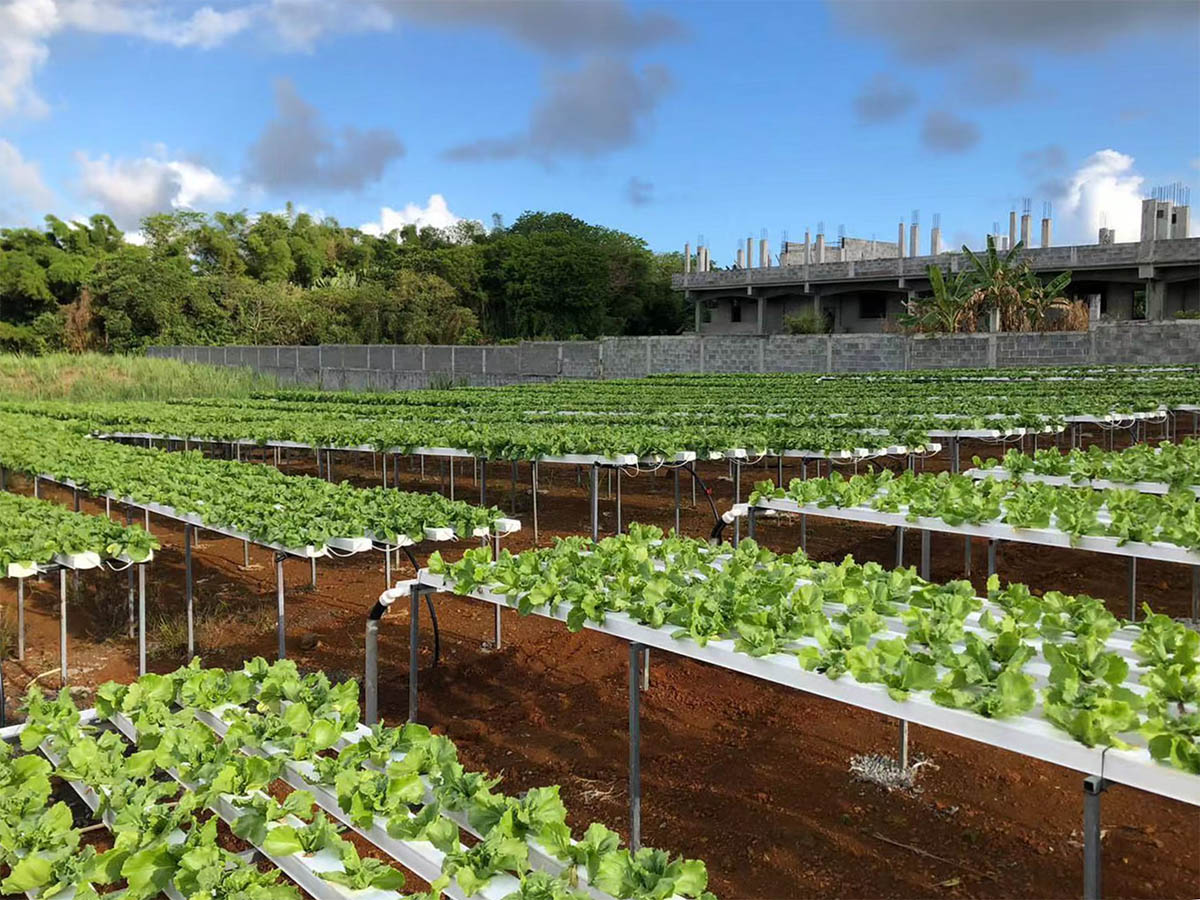
A hydroponic system is a method of growing plants without conventional soil. Plants are supported by a growing structure and, in some systems, a growing medium such as Rockwool, coco coir, perlite, or clay pebbles.
Instead of obtaining nutrients from soil, plants receive essential elements through a nutrient solution. The solution contains water and dissolved nutrients required for healthy plant development.
A typical hydroponic growing system includes a water reservoir, nutrient solution, pump or irrigation equipment, growing channels or containers, and a system for managing water flow and drainage.
The basic working principle of a hydroponic system is to provide plants with the water, nutrients, oxygen, light, and environmental conditions they need for growth.
Water is mixed with the appropriate plant nutrients to create a nutrient solution. The nutrient solution provides essential minerals that plants would normally obtain from soil.
Growers can monitor factors such as nutrient concentration and pH to maintain suitable conditions for different crops.
The nutrient solution is delivered to the root zone using the irrigation method of the specific hydroponic system.
For example, an NFT system continuously moves a thin layer of nutrient solution through a growing channel, while a Dutch Bucket system typically uses drip irrigation to deliver nutrient solution to individual containers.
Plant roots require oxygen for respiration. In hydroponics, oxygen can be supplied through exposure of part of the root system to air, water movement, or mechanical aeration.
In DWC hydroponics, for example, an air pump and air stone can be used to increase dissolved oxygen in the nutrient solution.
The roots absorb water and dissolved nutrients from the root zone. These nutrients support important processes such as leaf development, root growth, flowering, and fruit production.
Because the nutrient supply is delivered directly to the root environment, hydroponic cultivation does not depend on soil as the primary nutrient reservoir.
Depending on the design, excess nutrient solution can either return to the reservoir for recirculation or be discharged from the system.
Recirculating systems can move nutrient solution through the growing area and back into the reservoir, creating a continuous or scheduled water cycle.
Different hydroponic systems have different designs, but several components are commonly used.
The water reservoir stores water and nutrient solution. It provides the main supply for the hydroponic system.
The size of the reservoir depends on the number of plants, system configuration, and expected water consumption.
The nutrient solution supplies plants with essential mineral elements. The formulation and concentration should be adjusted according to crop requirements and growth stage.
A water pump moves nutrient solution from the reservoir to the growing area.
Pumps are particularly important in active hydroponic systems such as NFT, Dutch bucket, and vertical hydroponic systems.
Plants can be held in NFT Channels, buckets, growing towers, rafts, or other structures.
For example, a Vertical Hydroponic System places multiple planting positions vertically to make efficient use of growing space.
Some hydroponic systems use a medium to support the plants. Common options include:
Rockwool
Coco coir
Perlite
Clay pebbles
Hydroponic Sponges
Other systems, such as certain NFT and aeroponic systems, can operate with little or no traditional growing medium.
An air pump can be used to introduce oxygen into the nutrient solution. Adequate oxygen availability is especially important in systems where roots remain submerged.
There is no single way to build a hydroponic system. Different technologies deliver water and nutrients to plant roots in different ways.
NFT (Nutrient Film Technique) uses a shallow, continuously flowing film of nutrient solution.
Plants are placed in growing channels, while their roots extend toward the bottom of the channel. The nutrient solution flows along the channel and then returns to the reservoir.
NFT hydroponics is commonly used for leafy vegetables and herbs such as lettuce, spinach, basil, and pak choi.
DWC (Deep Water Culture) places plant roots in a reservoir of nutrient solution.
An aeration system is commonly used to supply oxygen to the water. Plants are usually supported by a raft, net pot, or similar structure.
DWC hydroponics is widely used for leafy greens and other suitable crops.
The Dutch Bucket System, also known as a Bato bucket system, uses individual containers filled with a suitable growing medium.
Nutrient solution is typically delivered through drip irrigation, while excess solution drains from the buckets and can be returned to the reservoir.
This type of hydroponic growing system is particularly suitable for larger plants and fruiting crops such as tomatoes, cucumbers, peppers, and eggplants.
In a drip hydroponic system, nutrient solution is delivered directly to the growing medium through drip emitters.
The flow can be controlled according to the crop and growing environment. This makes drip systems suitable for a wide range of crops and cultivation scales.
An Ebb and Flow System periodically floods the growing area with nutrient solution and then allows the solution to drain back into the reservoir.
The repeated flooding and draining cycle supplies plants with both nutrients and access to air around the roots.
A Vertical Hydroponic System arranges multiple planting positions vertically instead of spreading them across a large horizontal area.
A Vertical Growing Tower can include multiple layers and planting pots, with a pump circulating water or nutrient solution through the tower.
This design is particularly useful for urban farming, indoor gardening, greenhouses, and other applications where floor space is limited.
An Aeroponic System is another type of soilless cultivation technology. Instead of keeping the roots submerged or surrounded by a conventional growing medium, the roots are exposed and receive nutrient solution through spraying or misting.
An Aeroponic Tower applies this principle in a vertical growing structure.
Although hydroponics eliminates traditional soil, plants still require the same fundamental resources for healthy growth.
Water acts as the carrier for dissolved nutrients and is essential for plant physiological processes.
Plants require essential mineral nutrients, including nitrogen, phosphorus, potassium, calcium, magnesium, and other micronutrients.
Roots need oxygen for respiration. Proper oxygen availability helps maintain a healthy root environment.
Plants need sufficient light for photosynthesis. Indoor hydroponic farms may use artificial LED grow lights when natural sunlight is insufficient.
Temperature and humidity influence plant growth, water consumption, nutrient uptake, and overall growing conditions.
For commercial hydroponic farming, environmental conditions can be monitored and adjusted to maintain a suitable growing environment.
Many crops can be grown using hydroponic cultivation when the system and growing conditions are properly matched to the crop.
Common hydroponic leafy vegetables include:
Lettuce
Spinach
Kale
Pak choi
Mustard greens
Water spinach
Hydroponic systems are also suitable for many herbs, including:
Basil
Mint
Cilantro
Parsley
Chives
Larger hydroponic systems can be designed for fruiting crops such as tomatoes, cucumbers, peppers, and eggplants.
A Dutch Bucket System is often better suited to these larger crops than compact NFT channels.
Hydroponic cultivation can be combined with vertical structures to make better use of available space. A Vertical Hydroponic System can provide multiple planting positions within a relatively small footprint.
Because nutrients are supplied through the nutrient solution, growers can manage nutrient concentration and pH according to crop requirements.
Hydroponics does not require conventional agricultural soil, making it suitable for locations where soil quality or available land is limited.
A hydroponic system can be installed in greenhouses, indoor farms, rooftops, warehouses, gardens, and other controlled or semi-controlled environments.
Many hydroponic systems are designed to recirculate nutrient solution. The actual water efficiency depends on the system design, crop, climate, leakage, evaporation, and management practices.
The biggest difference between hydroponics and traditional cultivation is how plants receive water and nutrients.
In soil-based agriculture, soil provides physical support and acts as a reservoir for water and nutrients. In a hydroponic growing system, plants receive nutrients through a managed water-based solution.
Hydroponics therefore requires closer management of factors such as nutrient concentration, pH, water level, oxygen, temperature, and irrigation.
A Hydroponic Growing System provides a flexible approach to soilless plant cultivation. Different system designs can be selected according to crop type, available space, production scale, and environmental conditions.
For leafy vegetables and herbs, NFT and DWC systems are common choices. For larger fruiting crops, Dutch bucket and drip systems can provide appropriate root support. For space-efficient cultivation, Vertical Hydroponic Systems and Hydroponic Growing Towers can maximize the use of vertical space.
Understanding how hydroponic systems work is the first step toward selecting the right growing technology for a specific crop and cultivation environment.
Hydroponic systems grow plants without traditional soil by delivering water and dissolved nutrients directly to the root zone. Depending on the system, the nutrient solution may flow through channels, circulate in a reservoir, drip onto a growing medium, or be sprayed onto exposed roots.
No. Hydroponic plants are grown without traditional soil. Some systems use inert growing media such as rockwool, coco coir, perlite, or clay pebbles to support the plants.
Hydroponic plants receive nutrients from a water-based nutrient solution. Essential minerals are dissolved in the water and absorbed by the plant roots.
Yes. Plant roots require oxygen for respiration. The way oxygen is supplied depends on the hydroponic system. DWC systems, for example, commonly use air pumps and air stones to increase dissolved oxygen.
DWC and simple NFT systems can be relatively straightforward to understand, but the best choice depends on the crop, available space, equipment, and level of system management.
Hydroponics is a broad category of soilless cultivation systems that deliver water and nutrients to plant roots in different ways. In aeroponics, the roots are typically exposed and receive nutrient solution through spray or mist.
Yes. Indoor Hydroponic Systems can be used indoors when suitable lighting, temperature, humidity, ventilation, water circulation, and nutrient management are provided.
Yes. Commercial Hydroponic Systems are used for different types of crop production, including leafy greens, herbs, and selected fruiting crops. System selection depends on crop requirements and production goals.

G and N is serving for more than 1,000 customers over 122 countries around the world, offering high-quality products and services to global customers.
Copyright © 2026 G AND N FORTUNE LIMITED All rights reserved.


