

 English

News
Focus on G AND N FORTUNE LIMITED - Get to know the new information of the industry quickly!

2026-08-20 14:39:20
Hydroponics has become an increasingly popular method for commercial farming because it allows growers to produce crops without soil while saving water, optimizing space, and improving growing efficiency. However, one of the most important questions for investors and growers is: Which crop is most profitable in hydroponics?
The profitability of a hydroponic farming system depends on many factors, including crop demand, growing cycle, production cost, selling price, climate conditions, and the type of hydroponic system used.
Generally, crops with fast growth cycles, high market value, and efficient use of space provide better returns. Popular profitable hydroponic crops include microgreens, lettuce, strawberries, herbs, tomatoes, and cucumbers.
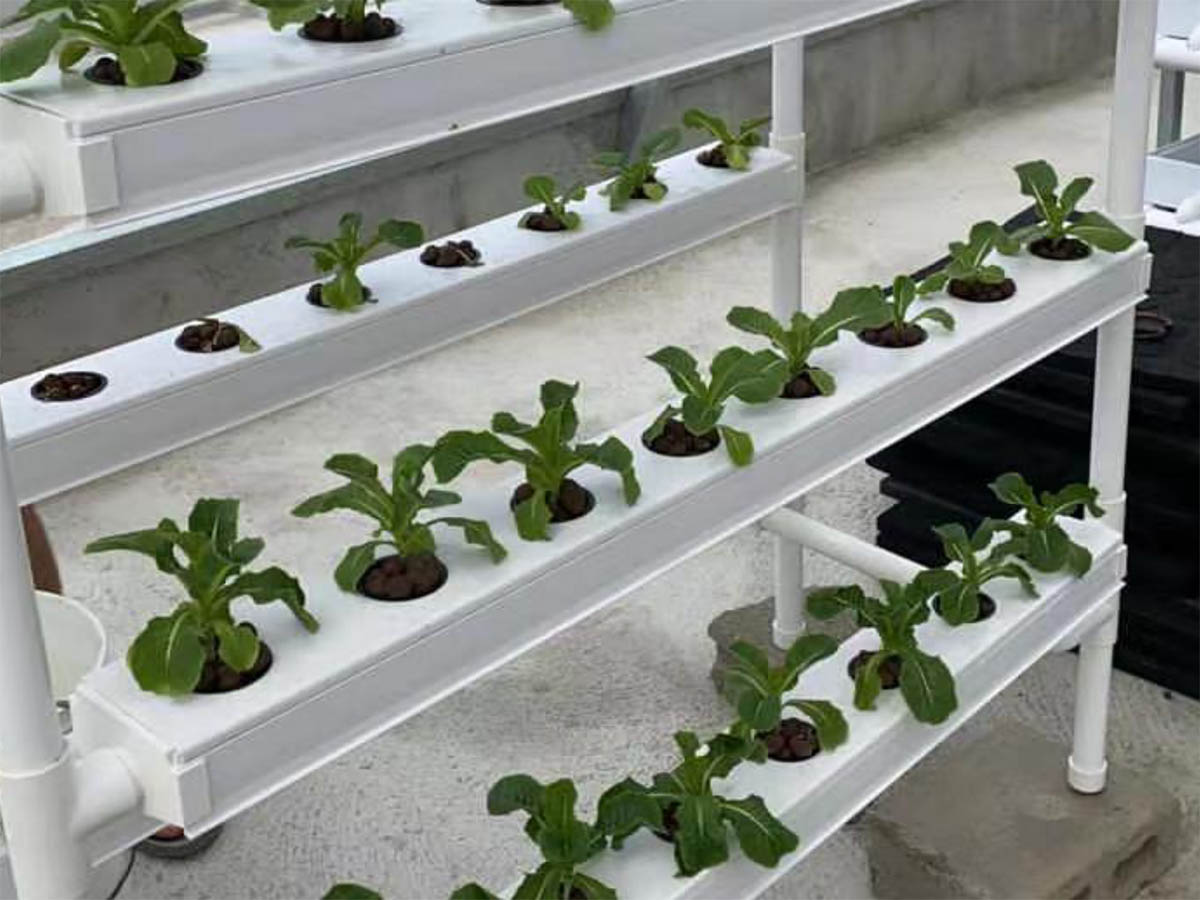
Before choosing the most profitable crop for a commercial hydroponic system, growers should consider several important factors.
Crops with shorter growth cycles allow farmers to harvest more frequently and generate faster returns.
For example:
Microgreens can be harvested within 7-21 days.
Lettuce usually requires around 30-45 days.
Herbs can provide multiple harvests throughout the growing season.
A shorter production cycle helps improve the efficiency of a hydroponic growing system.
A profitable hydroponic crop should have stable customer demand.
Common high-demand crops include:
Fresh lettuce
Organic herbs
Strawberries
Specialty greens
Microgreens
Restaurants, supermarkets, and health-conscious consumers continue to increase demand for fresh and locally grown produce.
One major advantage of vertical hydroponics and indoor farming is the ability to produce more crops in limited space.
Systems such as:
Hydroponic tower systems
NFT hydroponic channels
DWC floating raft systems
can maximize growing space and improve production efficiency.
Different crops require different growing systems.
For example:
Lettuce → NFT system, DWC system
Strawberries → NFT Gutter System, Vertical Tower system
Tomatoes → Dutch Bucket system
Herbs → Hydroponic tower system
Choosing the correct system is important for achieving better yields and profitability.
Microgreens are considered one of the most profitable crops for indoor hydroponic farming.
These young vegetable greens are harvested shortly after germination and are popular in restaurants, health food markets, and premium grocery stores.
Common microgreens include:
Broccoli microgreens
Radish microgreens
Pea shoots
Sunflower microgreens
Advantages of growing microgreens hydroponically include:
Very short growing period
High selling price
Low space requirements
Suitable for vertical farming
A hydroponic microgreen growing system allows growers to produce multiple batches throughout the year.
Lettuce is one of the most widely grown crops in commercial hydroponics.
It is especially suitable for:
NFT hydroponic systems
DWC floating raft systems
Vertical hydroponic towers
Lettuce has several advantages:
Fast growth cycle
Strong market demand
Easy cultivation
Suitable for large-scale production
Commercial growers often use NFT hydroponic channels because the system provides efficient water and nutrient management.
Common lettuce varieties include:
Romaine lettuce
Butterhead lettuce
Leaf lettuce
Green lettuce
Strawberries are another profitable option for commercial hydroponic farming.
Unlike traditional soil cultivation, hydroponic strawberry growing systems allow growers to control water, nutrients, and growing conditions more precisely.
Premium market value
Suitable for greenhouse production
Can be grown vertically
Reduced soil-related problems
Common systems include:
Strawberry NFT Channel system
Hydroponic gutter system
Vertical hydroponic tower
A commercial strawberry hydroponic system can increase production efficiency while making better use of greenhouse space.
Herbs are also profitable crops for hydroponics because they require relatively little space and have strong market demand.
Popular hydroponic herbs include:
Basil
Mint
Parsley
Coriander
Rosemary
Fast growth
Multiple harvest opportunities
Suitable for indoor farming
High-value products
A hydroponic tower growing system is commonly used for herb production because it provides efficient vertical growing.
Tomatoes are widely grown in commercial hydroponic greenhouses.
Large fruiting plants usually require more support and a different hydroponic method compared with leafy vegetables.
The most common system is:
Dutch Bucket Hydroponic System
High production potential
Continuous harvesting
Suitable for greenhouse environments
Better control of nutrients and water
Commercial tomato growers often combine Dutch bucket systems with drip irrigation for efficient nutrient delivery.
Cucumbers are another common crop in commercial hydroponics.
They are usually grown using:
Dutch bucket systems
Drip irrigation systems
Benefits include:
Fast growth
High yield
Continuous harvest
Suitable for greenhouse cultivation
| Crop | Profit Potential | Growth Cycle | Suitable Hydroponic System |
|---|---|---|---|
| Microgreens | Very High | 7-21 days | Growing trays, vertical farming |
| Lettuce | High | 30-45 days | NFT, DWC, hydroponic tower |
| Strawberries | High | Multiple harvests | NFT gutter, tower system |
| Herbs | High | Fast growth | Vertical tower, NFT |
| Tomatoes | Medium to High | Longer cycle | Dutch bucket system |
| Cucumbers | Medium to High | Fast growing | Dutch bucket, drip irrigation |
The NFT hydroponic system is widely used for leafy vegetables such as lettuce and herbs.
Advantages:
Efficient water usage
Good nutrient circulation
Suitable for commercial production
Easy harvesting and management
NFT channels are commonly used in:
Greenhouses
Vertical farming projects
Commercial vegetable production
A hydroponic tower system uses vertical space to grow more plants in a smaller area.
It is suitable for:
Lettuce
Herbs
Strawberries
Leafy vegetables
Advantages include:
Space saving
Water saving
Suitable for urban farming
Easy installation
The Dutch bucket hydroponic system is ideal for larger fruiting plants.
It is commonly used for:
Tomatoes
Cucumbers
Peppers
The system works well with drip irrigation and allows plants to receive controlled nutrient solutions.
The DWC hydroponic system is commonly used for leafy vegetables.
Plants grow on floating boards while roots remain in nutrient-rich water.
Advantages:
Simple structure
High oxygen availability
Suitable for lettuce production
Choosing the best crop depends on:
Research customer demand before selecting crops.
High-value crops may not always be profitable if there is limited demand in your region.
For small spaces, consider:
Hydroponic towers
Vertical farming systems
Microgreen production
For large greenhouses, consider:
NFT channels
Dutch bucket systems
Commercial gutter systems
Different crops require different equipment investments.
For example:
Leafy vegetables usually require lower investment.
Fruiting crops may require stronger support systems and longer growing periods.
Temperature, humidity, and sunlight conditions can affect crop performance.
A controlled greenhouse environment can help improve production stability.
So, which crop is most profitable in hydroponics?
There is no single answer because profitability depends on market conditions, production costs, and growing technology.
However, some of the most profitable hydroponic crops include:
Microgreens for fast production and high value
Lettuce for reliable commercial demand
Strawberries for premium pricing
Herbs for frequent harvesting
Tomatoes and cucumbers for greenhouse production
By selecting the right crop and combining it with a suitable hydroponic growing system, such as an NFT hydroponic system, hydroponic tower, DWC system, or Dutch bucket system, growers can improve productivity and maximize commercial returns.

G and N is serving for more than 1,000 customers over 122 countries around the world, offering high-quality products and services to global customers.
Copyright © 2026 G AND N FORTUNE LIMITED All rights reserved.


