
 English

News
Focus on G AND N FORTUNE LIMITED - Get to know the new information of the industry quickly!

2026-08-20 14:00:46
vertical hydroponic systems have become increasingly popular in modern agriculture because they allow growers to produce vegetables, herbs, and fruits in limited spaces. A vertical hydroponic system uses stacked growing layers or towers to maximize planting capacity while reducing land requirements.
Compared with traditional soil cultivation, vertical hydroponics offers many advantages, including water saving, efficient space utilization, and easier environmental control. However, like any growing method, a hydroponic tower system may also experience some challenges during operation.
Understanding common vertical hydroponic problems and learning how to solve them can help growers maintain healthier plants and achieve better yields.
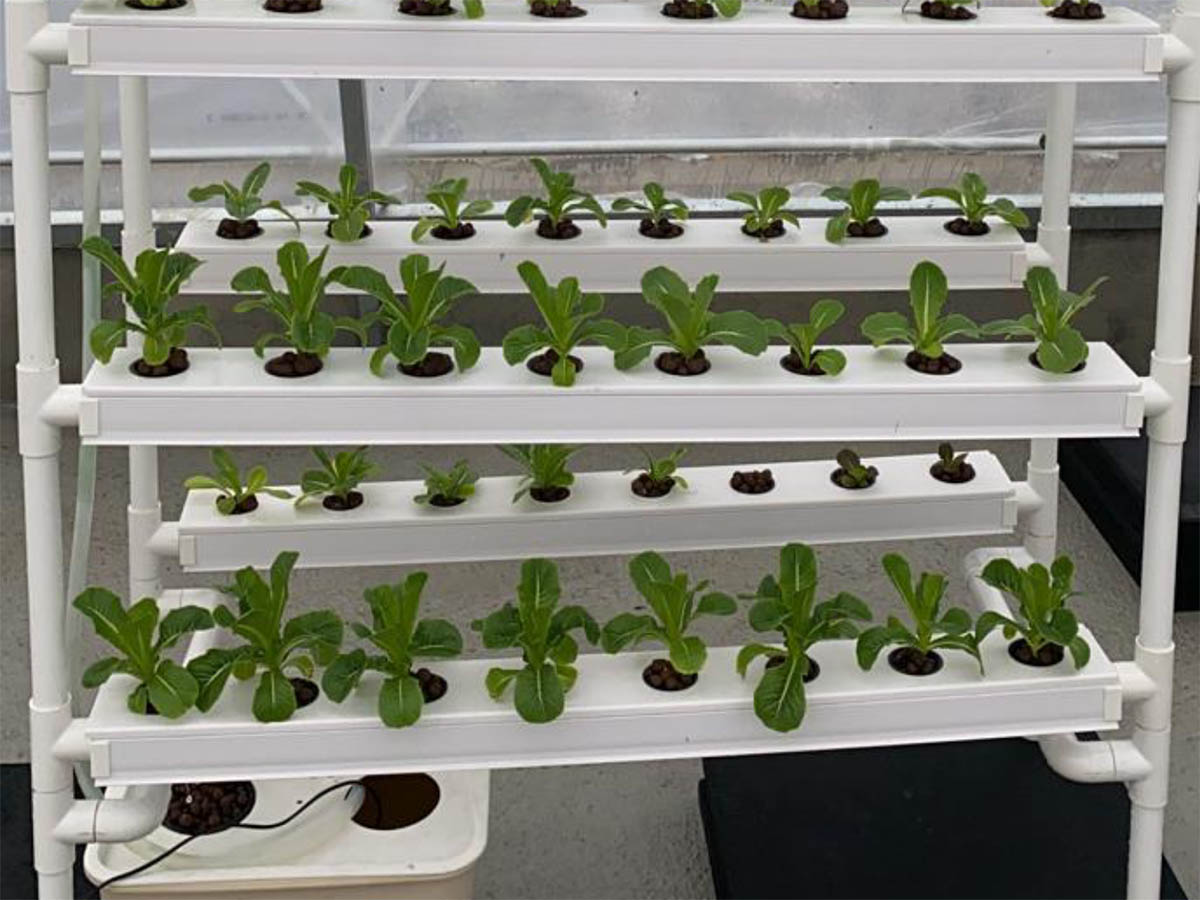
A vertical hydroponic system is a soilless growing method that uses vertical structures to grow plants upward instead of spreading them across a large horizontal area.
Plants receive water and nutrients through a controlled irrigation system rather than traditional soil. Depending on the design, vertical hydroponic systems may use nutrient film technique (NFT), drip irrigation, aeroponics, or other hydroponic growing methods.
Common types include:
Hydroponic growing towers
Vertical NFT systems
Aeroponic towers
Indoor vertical farming systems
Commercial vertical hydroponic systems
A hydroponic tower growing system is commonly used for:
Lettuce
Leafy vegetables
Herbs
Strawberries
Microgreens
Other compact crops
One of the most common vertical hydroponic system problems is uneven water distribution.
Because plants are arranged vertically, the water flow between the top and bottom sections of the tower may not always be balanced.
The common symptoms include:
Plants at the top receiving insufficient water
Plants at the bottom receiving excessive water
Uneven plant growth
Different growth rates between planting levels
To improve water distribution in a hydroponic tower system, growers can:
Select a suitable water pump
Adjust irrigation frequency
Check water pressure regularly
Clean Irrigation Pipes and channels
Use a well-designed vertical hydroponic tower structure
A properly designed irrigation system helps ensure that all plants receive sufficient water and nutrients.
Healthy roots are essential for successful hydroponic growing. However, limited space inside a vertical system can sometimes create root-related problems.
Common root issues include:
Root overcrowding
Poor oxygen supply
Root rot
Slow plant growth
Since plants in a vertical hydroponic growing system rely on water circulation instead of soil, maintaining proper oxygen levels is important.
Growers can improve root health by:
Maintaining clean nutrient solution
Ensuring proper water circulation
Avoiding excessive planting density
Checking roots regularly
Providing enough dissolved oxygen
A good root environment helps plants absorb nutrients more efficiently.
Another common issue with hydroponic tower systems is nutrient imbalance.
Unlike soil cultivation, hydroponics requires growers to manage nutrient concentration carefully.
Possible problems include:
Incorrect pH levels
High or low EC values
Nutrient deficiencies
Excess nutrients
Common nutrient deficiencies include:
Nitrogen deficiency
Calcium deficiency
Iron deficiency
Magnesium deficiency
To avoid nutrient problems:
Test pH regularly
Monitor EC levels
Replace or adjust nutrient solution
Use suitable hydroponic fertilizers
Adjust nutrients according to crop growth stages
Proper nutrient management is essential for achieving stable yields.
Algae growth is another common problem in vertical hydroponic systems.
When light enters water reservoirs, pipes, or growing areas with moisture and nutrients, algae can develop.
Excess algae may:
Compete with plants for nutrients
Block irrigation channels
Affect root health
Reduce system efficiency
Effective prevention methods include:
Using opaque materials for water tanks and pipes
Preventing direct light exposure
Cleaning the system regularly
Keeping nutrient reservoirs covered
Many professional hydroponic tower growing systems use UV-resistant and light-blocking materials to reduce algae-related issues.
A water pump is a key component of most vertical hydroponic growing systems.
If the pump stops working, plants may quickly experience:
Lack of water supply
Reduced nutrient delivery
Root stress
Growth problems
Recommended maintenance includes:
Checking pumps regularly
Cleaning pump filters
Monitoring water levels
Preparing backup solutions for commercial systems
For commercial vertical farming systems, reliable irrigation equipment is especially important.
Although vertical hydroponics saves space, the available growing area for each plant is usually limited.
This may cause problems for crops with large root systems or large plant structures.
Vertical hydroponic towers are generally better suited for:
Lettuce
Spinach
Herbs
Kale
Strawberries
Small leafy vegetables
Large crops such as tomatoes and cucumbers may require other systems, such as:
Dutch Bucket hydroponics
Greenhouse drip irrigation systems
Larger growing containers
Choosing the right hydroponic system according to crop type is important.
Temperature management is another challenge in vertical hydroponic farming systems.
High nutrient solution temperatures can reduce oxygen levels and increase the risk of root problems.
Possible effects include:
Slow root development
Reduced nutrient absorption
Increased disease risk
Growers can:
Avoid direct sunlight on water reservoirs
Install shading systems
Improve ventilation
Monitor nutrient solution temperature
Stable environmental conditions help maintain consistent plant growth.
Regular maintenance is necessary for long-term operation of a hydroponic tower system.
Without proper maintenance, problems may occur, including:
Blocked irrigation pipes
Dirty growing channels
Pump performance issues
Poor nutrient circulation
A good maintenance schedule includes:
Cleaning growing channels regularly
Checking water flow
Inspecting pumps
Replacing nutrient solution when needed
Monitoring plant health
Proper maintenance can extend the service life of the system and improve productivity.
Choosing a reliable vertical hydroponic system can help reduce many common problems.
Important factors include:
A strong hydroponic tower should provide stable support for plants and irrigation components.
A well-designed irrigation system helps provide balanced water and nutrient distribution.
UV-resistant and food-grade materials can improve system durability and suitability for long-term use.
Systems with accessible water tanks, removable components, and simple cleaning procedures are easier to manage.
When common issues are properly managed, a vertical hydroponic growing system can provide many benefits:
Higher space efficiency
Reduced water consumption
Easier crop management
Stable plant growth
Suitable for urban farming
Suitable for greenhouse production
Improved production efficiency
A properly maintained hydroponic tower system can become an effective solution for modern agriculture and controlled environment farming.
The most common vertical hydroponic problems include uneven water distribution, root issues, nutrient imbalance, algae growth, pump failure, temperature control issues, and limited plant space.
Uneven watering can be improved by selecting the correct water pump, adjusting irrigation schedules, cleaning pipes, and using a well-designed vertical hydroponic irrigation system.
Yes. If light enters nutrient solution areas, algae may grow. Using light-blocking materials and regular cleaning can help reduce algae growth.
No. Hydroponic towers are best suited for compact crops such as lettuce, leafy vegetables, herbs, strawberries, and microgreens. Larger plants may require other hydroponic systems.
Maintenance frequency depends on the system design and crop type, but regular checks of water flow, nutrient levels, pumps, and growing channels are recommended.
Yes. Commercial vertical hydroponic systems are used in greenhouses, indoor farms, and urban agriculture projects to maximize growing space and improve production efficiency.

G and N is serving for more than 1,000 customers over 122 countries around the world, offering high-quality products and services to global customers.
Copyright © 2026 G AND N FORTUNE LIMITED All rights reserved.


