

 English

News
Focus on G AND N FORTUNE LIMITED - Get to know the new information of the industry quickly!

2026-08-05 14:48:48
NFT (Nutrient Film Technique) is one of the most popular hydroponic growing methods used in modern agriculture. Many growers choose an NFT hydroponic system because it provides plants with continuous water, nutrients, and oxygen while using less water and space compared with traditional soil farming.
So, how does the NFT system work? The basic principle is that a thin film of nutrient solution continuously flows through specially designed NFT Channels, allowing plant roots to absorb essential nutrients while remaining partially exposed to oxygen. The nutrient solution is collected, recycled, and reused through the system, creating an efficient and sustainable growing environment.
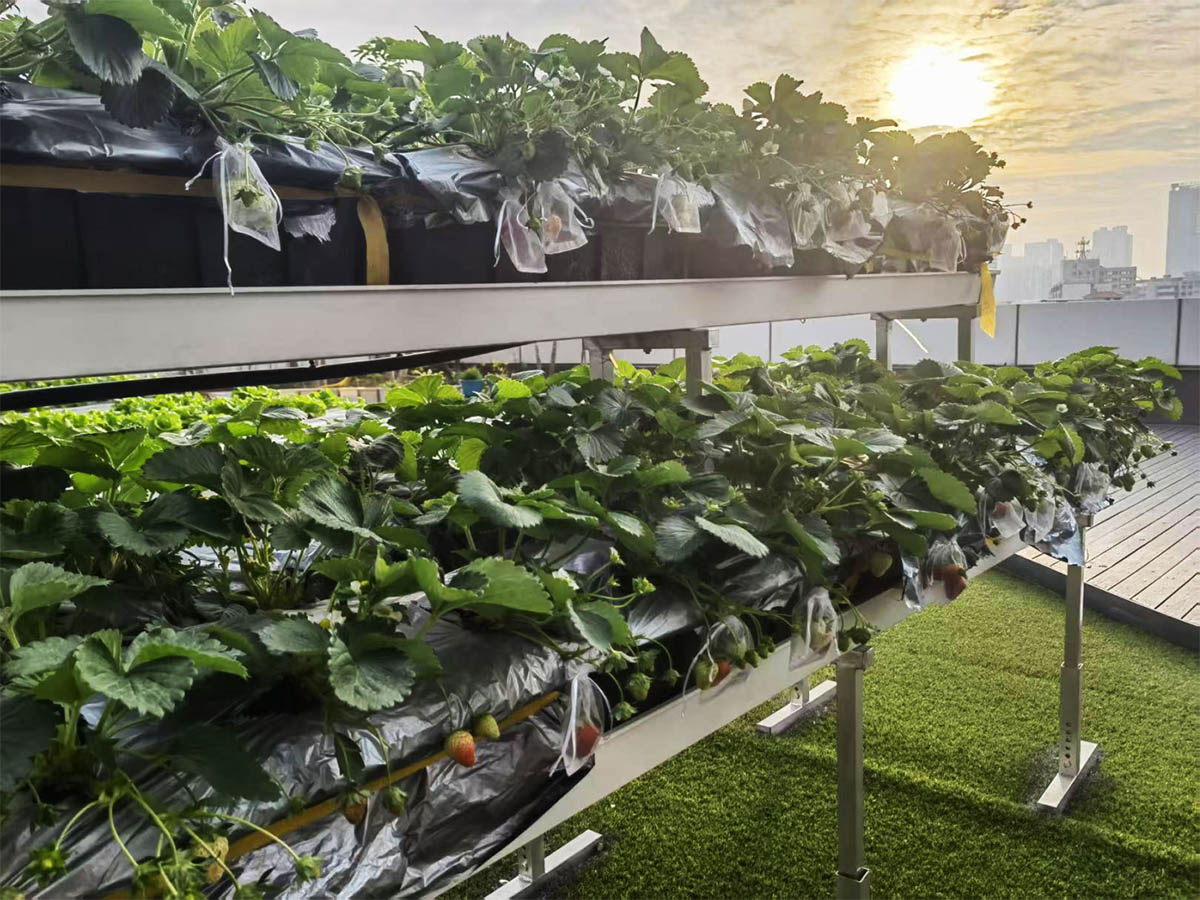
NFT stands for Nutrient Film Technique, which is a type of hydroponic growing system where plants grow without soil. Instead of relying on soil for nutrients, plants receive a balanced nutrient solution delivered directly to their roots.
An NFT hydroponic system usually includes:
NFT channels
Water reservoir
Water pump
Drainage system
Growing rack
The system is widely used for commercial greenhouse cultivation, indoor farming, and home hydroponic gardening.
In traditional farming, plants obtain nutrients from soil. In an NFT system hydroponics setup, nutrients are dissolved in water and delivered directly to the roots.
The main differences include:
No soil required
Lower water consumption
Better nutrient control
Reduced risk of soil diseases
Higher planting efficiency
The NFT system starts with a water reservoir containing a mixture of water and plant nutrients.
The nutrient solution provides plants with:
Nitrogen
Phosphorus
Potassium
Minerals
Trace elements
The concentration and pH level of the solution can be adjusted according to different crops.
A water pump transfers the nutrient solution from the reservoir to the top of the NFT channel.
The channel is slightly tilted, allowing the solution to flow naturally from one end to the other.
Common NFT channels for hydroponics are made from:
Food-grade PVC
Durable plastic materials
They are designed to provide stable water flow and support healthy root growth.
The key feature of NFT hydroponics is the thin layer of nutrient solution flowing at the bottom of the channel.
This nutrient film allows plant roots to access:
Water
Nutrients
Oxygen
Unlike some hydroponic methods where roots are fully submerged, NFT systems keep part of the roots exposed to air, improving oxygen availability.
Plants are placed inside net pots located on the top of the hydroponic channels.
The roots grow downward into the channel and absorb nutrients from the flowing solution.
NFT systems are especially suitable for:
Lettuce
Spinach
Basil
Herbs
Leafy vegetables
A properly designed NFT hydroponic channel helps maintain consistent nutrient delivery and promotes faster plant growth.
After flowing through the NFT channels, the remaining nutrient solution returns to the reservoir through the drainage system.
The solution can then be:
Filtered
Adjusted
Reused
This closed-loop design makes NFT systems highly efficient in water and fertilizer management.
The NFT channel is the most important component of the system.
A high-quality NFT channel hydroponics design should provide:
Smooth water flow
Good drainage performance
Easy cleaning
Long service life
PVC NFT channels are commonly used because they are:
Lightweight
Durable
Corrosion resistant
Easy to install
The water pump ensures continuous circulation of nutrient solution.
The irrigation system controls:
Water flow speed
Nutrient delivery
Growing consistency
A stable circulation system is essential for healthy plant development.
NFT systems can be installed in different structures, including:
Horizontal NFT systems
Vertical NFT systems
A vertical hydroponic system can maximize space utilization, making it suitable for indoor farms and small growing areas.
Because the nutrient solution is continuously recycled, an NFT hydroponic system uses significantly less water than traditional agriculture.
Benefits include:
Reduced water waste
Efficient fertilizer usage
Lower operating costs
NFT systems allow growers to produce more crops in limited areas.
They are suitable for:
Commercial greenhouses
Indoor farms
Urban agriculture projects
Plants grown in hydroponic NFT channels are easier to manage because:
Plants are arranged neatly
Root conditions are visible
Harvesting is convenient
Less labor is required
NFT hydroponics is most commonly used for leafy crops, including:
Lettuce
Kale
Spinach
Pak choi
Herbs
Large-scale growers also use NFT systems for:
Basil production
Salad vegetables
Nursery plants
For crops with larger root systems, other hydroponic methods may be more suitable.
Commercial growers use NFT hydroponic systems for high-efficiency vegetable production.
Advantages:
Stable crop quality
Higher productivity
Automated management
An indoor NFT system is suitable for:
Vertical farms
Smart agriculture projects
Home growing systems
With LED lighting and environmental control, plants can be grown year-round.
High-quality NFT channels for hydroponics provide reliable performance for commercial and indoor growing systems.
Key features include:
Food-grade PVC material
UV resistance
Easy installation
Long lifespan
Efficient nutrient flow
A well-designed hydroponic channel helps growers achieve better plant growth and easier system management.
NFT stands for Nutrient Film Technique. It is a hydroponic method where a thin layer of nutrient solution continuously flows through growing channels to feed plant roots.
An NFT hydroponic system works by pumping nutrient solution from a reservoir into NFT channels. The solution flows along the channel, provides nutrients to plant roots, and then returns to the reservoir for reuse.
NFT systems are ideal for lettuce, herbs, spinach, basil, and other leafy vegetables.
Most NFT channels are made from food-grade PVC because it is durable, lightweight, easy to clean, and suitable for agricultural applications.
NFT hydroponics offers advantages such as lower water consumption, better nutrient control, reduced soil diseases, and higher space efficiency, making it suitable for modern farming.

G and N is serving for more than 1,000 customers over 122 countries around the world, offering high-quality products and services to global customers.
Copyright © 2026 G AND N FORTUNE LIMITED All rights reserved.


