

 English


News
Focus on G AND N FORTUNE LIMITED - Get to know the new information of the industry quickly!

2026-07-30 13:56:43
Growing strawberries in a hydroponic tower is one of the most efficient ways to produce fresh, flavorful berries while maximizing growing space. A hydroponic tower system delivers a continuous supply of water, nutrients, and oxygen directly to the roots, resulting in faster growth, cleaner fruit, and higher yields than traditional soil cultivation. Whether you're a home gardener or a commercial grower, a vertical hydroponic system provides an excellent solution for year-round strawberry production.
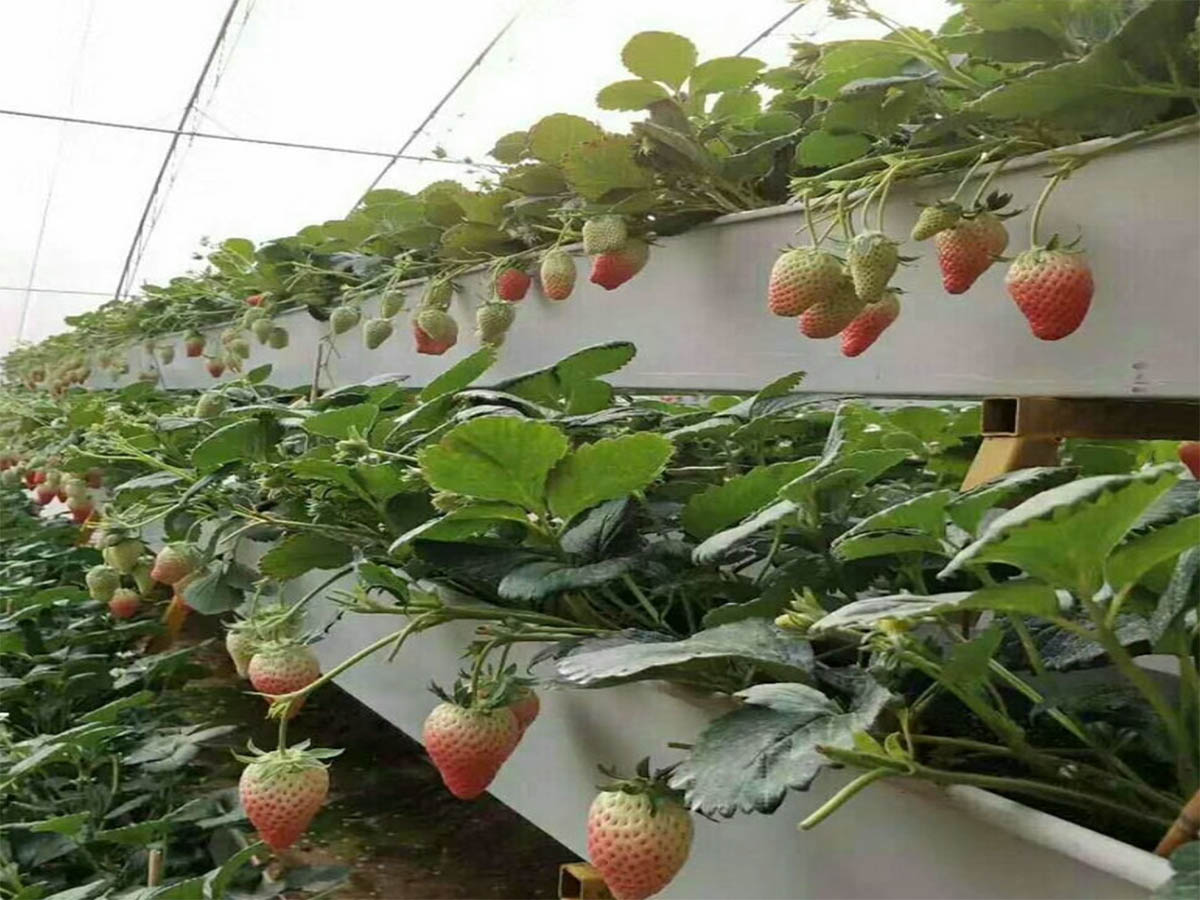
A vertical hydroponic garden allows you to grow dozens of strawberry plants in a compact footprint. Instead of spreading across the ground, plants grow vertically, making this system ideal for:
Home gardens
Balconies
Rooftops
Greenhouses
Commercial vertical farms
A recirculating hydroponic tower system uses significantly less water than traditional farming. Nutrient solution is continuously recycled, reducing water consumption while improving fertilizer efficiency.
Since strawberries are suspended above the ground, the fruit remains clean and is less likely to be affected by soil-borne diseases, weeds, or pests.
A complete hydroponic tower typically includes:
Hydroponic tower
Water reservoir
Water pump
Timer
Growing Sponge
For indoor cultivation, an indoor hydroponic garden tower can be equipped with full-spectrum LED grow lights.
Choose healthy, disease-free seedlings with vigorous roots. Recommended hydroponic varieties include:
Albion
San Andreas
Seascape
Evie 2
These varieties offer continuous harvests and excellent fruit quality.
Use a nutrient solution formulated specifically for strawberries or fruiting crops.
Recommended growing conditions:
| Parameter | Recommended Range |
|---|---|
| pH | 5.8–6.5 |
| EC | 1.2–2.0 mS/cm |
| Water Temperature | 18–22°C |
Install the hydroponic tower system according to the manufacturer's instructions.
Before planting, make sure:
The water pump operates properly.
Irrigation pipes are securely connected.
Water reaches every planting pocket evenly.
There are no leaks in the system.
Insert each seedling into a net pot with a growing sponge.
For the best results:
Keep the crown above the growing medium.
Allow the roots to hang freely inside the tower.
Ensure each plant is firmly supported.
Fill the reservoir with fresh nutrient solution and turn on the water pump.
The hydroponic tower system continuously circulates nutrient-rich water, delivering moisture, minerals, and oxygen directly to the plant roots.
Strawberries require sufficient light to flower and produce fruit.
Recommended lighting:
8–12 hours of natural sunlight each day
Full-spectrum LED grow lights for indoor growing
Proper lighting is essential for achieving high yields in an indoor hydroponic garden tower.
Keep environmental conditions stable throughout the growing cycle.
| Growing Factor | Ideal Range |
|---|---|
| Temperature | 18–25°C |
| Humidity | 50–70% |
| Light | 8–12 Hours Daily |
| pH | 5.8–6.5 |
| EC | 1.2–2.0 mS/cm |
Refresh or replace the nutrient solution every one to two weeks to ensure balanced nutrition.
Clean the hydroponic tower regularly to prevent algae growth, improve water circulation, and maintain healthy roots.
Prune yellow or damaged leaves to improve airflow and encourage new growth.
For indoor growing, gently shake the flowering plants or use a soft brush to transfer pollen between flowers.
Planting too many strawberries reduces airflow and limits light penetration, which can affect fruit quality.
Regularly monitor pH and EC levels to ensure the nutrient solution remains suitable for healthy plant growth.
Without enough sunlight or artificial lighting, strawberries may produce fewer flowers and smaller fruits.
Failure to clean the hydroponic tower system can lead to algae buildup, clogged irrigation lines, and reduced plant performance.
Our hydroponic tower system combines durability, efficiency, and ease of use for growers of all experience levels.
Key advantages include:
Food-grade, UV-resistant materials
Durable construction for long service life
Efficient recirculating irrigation system
Water-saving and fertilizer-saving design
Easy installation and maintenance
Suitable for strawberries, lettuce, herbs, leafy vegetables, and flowers
OEM and customized solutions available
Whether you need a compact hydroponic garden tower for home use or a large vertical hydroponic system for commercial production, our solutions are designed to help maximize crop yield while reducing operating costs.
Yes. Strawberries are one of the best crops for a hydroponic tower because they have compact root systems and benefit from continuous access to water, nutrients, and oxygen.
The best hydroponic tower should be made from food-grade materials, include an efficient recirculating irrigation system, and be easy to clean and maintain.
Most strawberry plants require 8–12 hours of sunlight or full-spectrum LED lighting each day for healthy flowering and fruit production.
It is generally recommended to replace or refresh the nutrient solution every one to two weeks, depending on plant growth and water quality.
Yes. Besides strawberries, a hydroponic tower is suitable for lettuce, spinach, kale, basil, mint, parsley, cilantro, and many other leafy vegetables and herbs.

G and N is serving for more than 1,000 customers over 122 countries around the world, offering high-quality products and services to global customers.
Copyright © 2026 G AND N FORTUNE LIMITED All rights reserved.


