

 English

News
Focus on G AND N FORTUNE LIMITED - Get to know the new information of the industry quickly!

2026-08-05 14:54:06
NFT (Nutrient Film Technique) is one of the most popular hydroponic growing methods used for efficient soilless cultivation. A NFT hydroponic system allows plants to grow without soil by continuously circulating a thin layer of nutrient solution through NFT Channels, providing roots with water, nutrients, and oxygen.
For beginners and commercial growers, building an NFT hydroponic system is an effective way to grow leafy vegetables while saving water, fertilizer, and growing space. With the right components, a DIY NFT system can be easily installed for home gardening, indoor farming, or greenhouse production.
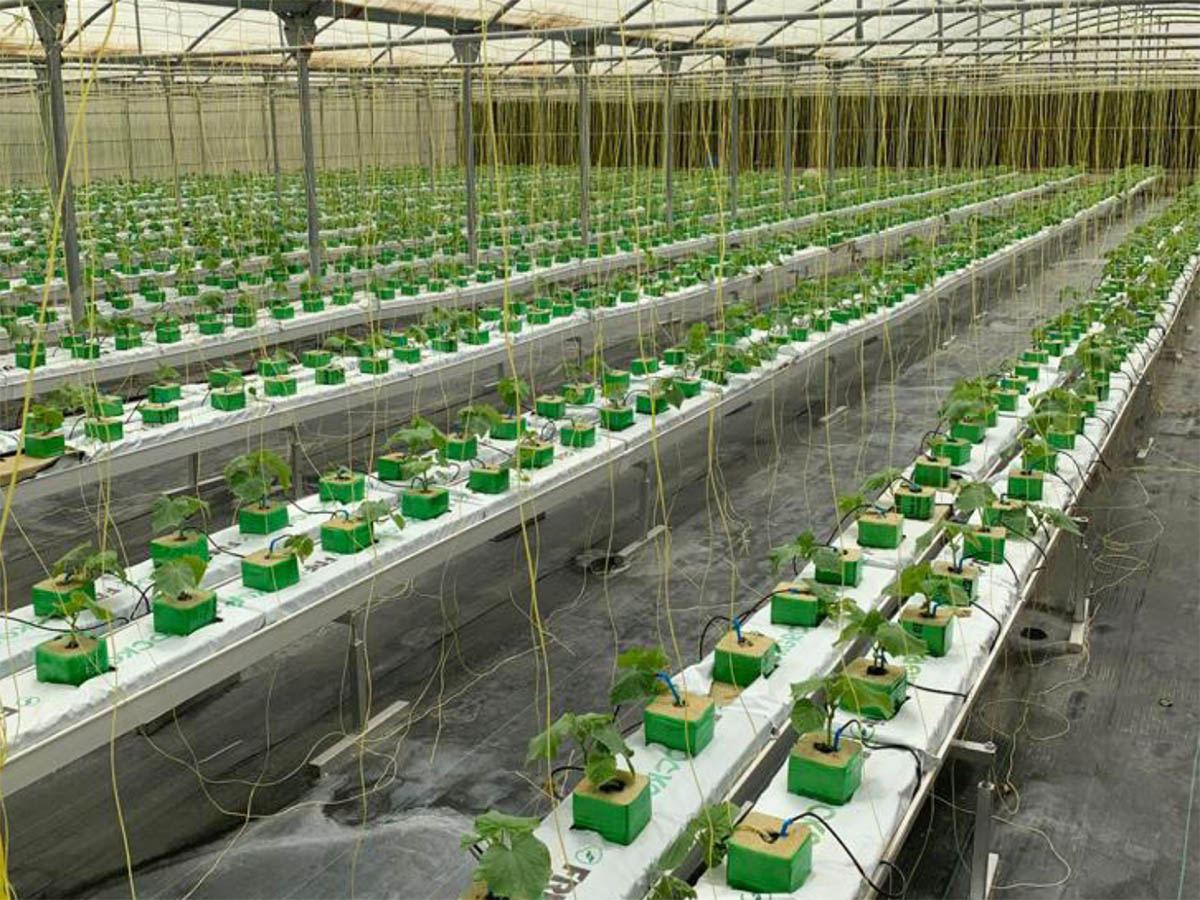
NFT stands for Nutrient Film Technique, a hydroponic method where a thin film of nutrient solution flows continuously through specially designed growing channels.
Unlike traditional soil cultivation, an NFT system hydroponics setup delivers nutrients directly to plant roots. The roots absorb the necessary water and minerals while remaining partially exposed to air for better oxygen supply.
A complete NFT hydroponic system usually includes:
NFT channels
Water reservoir
Water pump
Drainage pipes
Growing rack
Nutrient solution
This closed-loop system allows nutrient solution to be recycled, making it a water-saving and efficient growing solution.
The most important part of an NFT system is the NFT channel.
NFT channels for hydroponics provide the space where plants grow and where nutrient solution flows.
Common materials include:
Food-grade PVC
UV-resistant plastic
High-quality hydroponic channels should have:
Smooth internal surfaces
Good water flow design
Strong durability
Easy cleaning structure
PVC NFT hydroponic channels are widely used in commercial greenhouse systems because they are lightweight, corrosion resistant, and have a long service life.
The reservoir stores nutrient solution, while the water pump moves the solution through the system.
The pump should provide:
Stable water circulation
Continuous nutrient delivery
Suitable flow speed for plant roots
A proper circulation system ensures that plants receive enough nutrients and oxygen.
Plants are usually placed in:
Net pots
Planting holes on NFT channels
Growing media may include:
Rock wool
Coco coir
These materials help support young plants before their roots grow into the NFT channel.
An NFT system requires:
Water pipes
Connectors
End caps
Drainage outlets
These components connect the water pump, NFT channels, and reservoir to create a complete circulation system.
Before installation, determine:
Number of NFT channels
Channel length
Growing area
Reservoir location
Pump capacity
For commercial applications, growers often use:
Horizontal NFT systems
Vertical NFT systems
A-frame NFT systems
A proper layout improves space utilization and makes management easier.
Place the NFT hydroponic channels on a suitable rack or support structure.
The channels should have a slight slope to allow nutrient solution to flow smoothly.
The correct installation helps:
Prevent water accumulation
Maintain stable nutrient flow
Improve root oxygen supply
Connect the components in the following order:
Water reservoir
↓
Water pump
↓
Irrigation pipe
↓
NFT channel inlet
↓
NFT channel outlet
↓
Return pipe
↓
Reservoir
This creates a closed-loop NFT system hydroponics structure.
Fill the reservoir with clean water and add hydroponic nutrients.
Important factors include:
pH level
Nutrient concentration
Water temperature
Proper nutrient management helps plants grow healthier and improves yield.
Place seedlings into the planting holes of the NFT channel.
NFT hydroponics is especially suitable for:
Lettuce
Spinach
Basil
Herbs
Leafy vegetables
The plant roots will gradually grow into the channel and absorb nutrients from the flowing solution.
The working principle of an NFT hydroponic system is simple:
The water pump sends nutrient solution from the reservoir to the top of the NFT channel.
The solution then flows as a thin layer along the bottom of the channel.
Plant roots contact the nutrient film and absorb:
Water
Minerals
Oxygen
Because part of the roots remain exposed to air, plants receive better oxygen supply compared with fully submerged systems.
After passing through the NFT channels, the remaining solution returns to the reservoir.
The solution can then be:
Reused
Tested
Adjusted
This recycling process reduces water consumption and fertilizer waste.
An NFT system continuously recycles nutrient solution, which helps:
Reduce water consumption
Improve fertilizer efficiency
Lower operating costs
NFT systems are ideal for limited spaces because they can be installed vertically or horizontally.
Applications include:
Home gardens
Indoor farms
Greenhouses
Commercial vegetable production
Compared with soil farming, NFT hydroponics provides:
Cleaner growing conditions
Easier crop monitoring
Reduced labor requirements
Convenient harvesting
Small NFT systems are suitable for:
Balcony gardening
Indoor vegetable growing
DIY hydroponic projects
They allow families to grow fresh vegetables with limited space.
Large-scale growers use NFT hydroponic systems for:
Lettuce production
Leafy vegetable farming
Greenhouse cultivation
Commercial systems can be customized according to greenhouse size and production needs.
A vertical hydroponic system combines NFT channels with vertical structures to increase planting density.
Advantages:
Higher yield per square meter
Better space utilization
Suitable for urban farming
High-quality PVC NFT channels are essential for building a reliable hydroponic system.
Advantages include:
Food-grade material
UV resistance
Long lifespan
Easy installation
Stable water flow
Professional NFT channels for hydroponics help growers create efficient and durable growing systems for different applications.
To make an NFT hydroponic system, you need NFT channels, a water reservoir, water pump, irrigation pipes, net pots, growing media, and nutrient solution.
NFT channel length depends on the growing environment and crop type. Commercial systems commonly use customized lengths according to greenhouse layout.
NFT systems are best for leafy vegetables such as lettuce, spinach, herbs, and basil.
Yes. A small NFT system is easy to install and manage, making it suitable for beginners and home growers.
NFT systems usually operate with continuous or timed nutrient solution circulation depending on crop requirements and system design.

G and N is serving for more than 1,000 customers over 122 countries around the world, offering high-quality products and services to global customers.
Copyright © 2026 G AND N FORTUNE LIMITED All rights reserved.


