
 English

Products
Productos principales:Canal hidroponico NFT/Cubo holandes hidroponico/Canalon de fresa/
Maceta de red de plastico/Medios de cultivo Rockwool


Polyethylene Pipe Fittings are essential components for connecting pipes and building reliable water distribution networks in modern agricultural irrigation systems. Made from polyethylene (PE) or high-density polyethylene (HDPE), these fittings are widely used in drip irrigation, sprinkler irrigation, greenhouse irrigation, hydroponic farming, and agricultural water supply systems.
Designed for durability, flexibility, and convenient installation, HDPE Pipe Fittings help create efficient irrigation networks for farms, greenhouses, and commercial agricultural projects. Available in multiple sizes, they can be used with compatible PE and HDPE pipes to meet different water transportation and installation requirements.
As a professional supplier of agricultural irrigation solutions, G&N Pipe provides a range of polyethylene pipe products for modern farming and hydroponic applications.
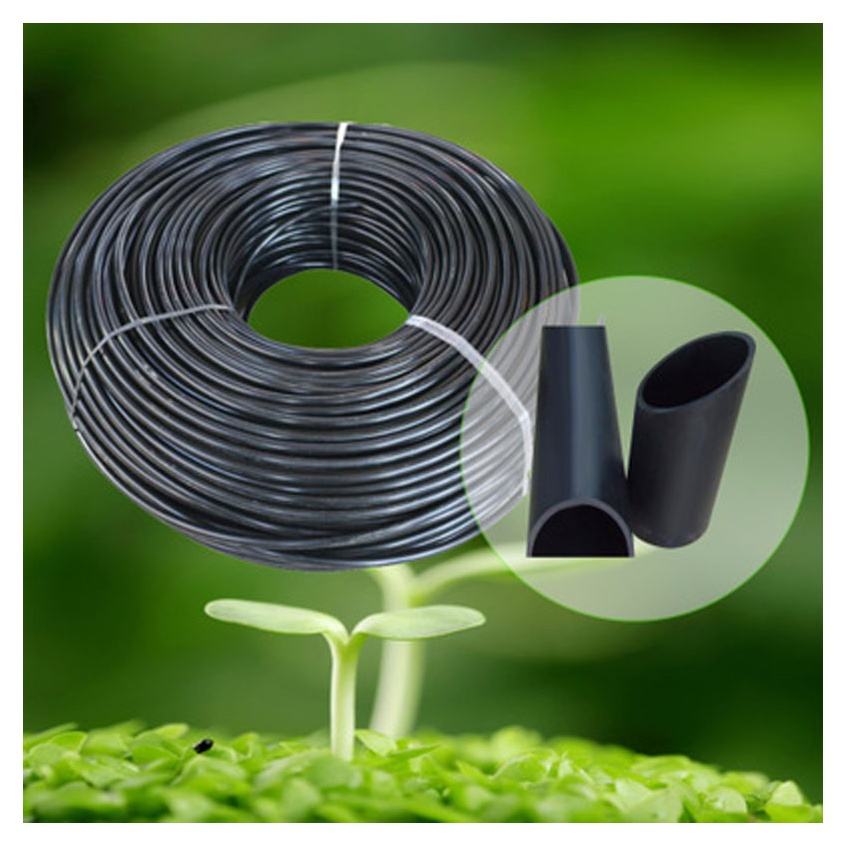
Polyethylene Pipe Fittings, also known as PE Pipe Fittings or HDPE Pipe Fittings, are connection components made from polyethylene materials. They are used to join, redirect, branch, reduce, or control water flow within PE pipe systems.
HDPE is a high-density type of polyethylene that offers a combination of strength, chemical resistance, and flexibility. These properties make HDPE pipe fittings suitable for agricultural irrigation networks that operate in outdoor environments and require reliable water transportation.
Common types of polyethylene irrigation fittings include couplings, elbows, tees, reducers, end caps, valves, and connectors. They work together with HDPE agriculture pipes to create complete water distribution systems.
| Item | Description |
|---|---|
| Product Name | Polyethylene Pipe Fittings |
| Material | PE / HDPE |
| Available Sizes | 16mm, 20mm, 25mm, 32mm, 40mm, 50mm, 63mm, 75mm |
| Color | Black / White |
| Application | Agricultural Irrigation |
| Usage | hydroponic growing systems and Irrigation Networks |
| Feature | Durable and Recyclable Material |
| Brand | G & N Pipe |
| Place of Origin | Guangdong, China |
Note: Confirm the available fitting types, connection methods, pressure ratings, and size compatibility before ordering. Pipe and fitting dimensions should be matched according to the actual product specifications.
Different agricultural irrigation projects require different pipe diameters depending on water flow, system layout, and installation conditions.
Our polyethylene pipe products are available in the following sizes:
16mm PE pipe fittings
20mm PE pipe fittings
25mm PE pipe fittings
32mm HDPE pipe fittings
40mm HDPE pipe fittings
50mm poly pipe fittings
63mm HDPE pipe fittings
75mm HDPE pipe fittings
These sizes are commonly used in agricultural water distribution networks, greenhouse irrigation systems, and hydroponic growing facilities.
For buyers looking for 2 inch poly pipe fittings, please confirm the actual nominal size and connection standard before selecting the product, as nominal inch sizes and metric outside diameters are not always directly interchangeable.
HDPE Pipe Fittings offer good resistance to corrosion and many chemicals commonly encountered in agricultural irrigation. Unlike conventional metal fittings, polyethylene components do not rust, making them suitable for outdoor irrigation networks and water transportation applications.
They can be used in systems that transport water and compatible fertilizer solutions. Chemical compatibility should be checked according to the concentration and type of chemicals used.
Black poly pipe fittings made with suitable UV-stabilized materials can withstand outdoor sunlight exposure and changing weather conditions.
This makes them a practical option for agricultural irrigation systems installed in open fields, orchards, greenhouses, and other outdoor environments.
Actual UV resistance depends on the material formulation and product specifications.
HDPE irrigation fittings are designed to connect pipes and maintain stable water transportation when correctly selected and installed.
Their pressure performance depends on material grade, fitting design, wall thickness, connection method, and operating temperature. Matching the fitting pressure rating with the irrigation system is essential for reliable operation.
Polyethylene is lighter and generally more flexible than many traditional metal piping materials. This makes PE pipe fittings convenient to handle and helps simplify installation in different agricultural layouts.
The material also offers good impact resistance under suitable operating conditions, supporting long-term use in irrigation applications.
HDPE is a recyclable thermoplastic material that can support more sustainable agricultural infrastructure when properly collected and processed.
Its durability and resistance to corrosion also help reduce the need for frequent replacement under appropriate operating conditions.
Different types of polyethylene pipe fittings are used to build complete agricultural irrigation networks. The appropriate fitting depends on the pipe layout, connection requirements, and water distribution design.
Couplings connect two PE or HDPE pipes of compatible sizes in a straight line. They are commonly used to extend irrigation pipelines or join separate pipe sections.
Elbows change the direction of a pipeline, helping irrigation networks adapt to different installation layouts and available spaces.
Tee fittings create branch connections from a main pipeline. They are useful for distributing water to multiple irrigation lines or growing areas.
Reducers connect pipes with different diameters, allowing the pipeline to transition between different sizes.
End caps close the ends of pipelines to prevent water from flowing out of unused pipe openings.
Valves control or shut off water flow in specific sections of an irrigation network, making irrigation management and maintenance more convenient.
Connectors join compatible polyethylene pipes, tubes, or irrigation components. The connection type should be selected according to the required pipe size and installation method.
Polyethylene Pipe Fittings are widely used in agricultural water transportation and irrigation systems. Their material properties and range of connection options make them suitable for different farming environments.
HDPE agriculture pipe fittings connect water supply pipelines and distribution branches across farmland, orchards, and crop-growing areas. They help distribute irrigation water to different sections of an agricultural facility.
In drip irrigation, PE pipe fittings connect main water supply lines, branch pipes, and irrigation tubing. They help create organized water distribution networks that deliver water to individual plants or planting rows.
Irrigation HDPE fittings are used in sprinkler pipeline networks to connect pipes, branch lines, and compatible irrigation equipment. Proper fitting selection helps maintain reliable water distribution.
Greenhouse irrigation systems require organized water supply networks to serve different growing zones. Polyethylene tubing fittings can connect irrigation lines used for vegetables, fruits, flowers, and other greenhouse crops.
HDPE pipe for hydroponics is used to transport water and nutrient solution between reservoirs, pumps, irrigation lines, and growing areas.
In hydroponic facilities, compatible PE pipe fittings help connect water supply and drainage components. Material compatibility should be confirmed when the system transports concentrated nutrients or other treatment chemicals.
Black poly pipe fittings and other polyethylene connectors are also suitable for garden irrigation, landscape watering, and nursery irrigation networks.
Choosing suitable HDPE pipe fittings and compatible agricultural pipes can bring practical benefits to irrigation projects.
Polyethylene materials provide good resistance to corrosion, moisture, and many common agricultural chemicals. With proper material selection and installation, they can support long-term irrigation system operation.
Compatible PE pipe fittings help connect pipeline sections and create a stable water distribution network. The correct connection method, installation procedure, and pressure rating are important for preventing leakage.
Compared with many metal piping components, polyethylene products are lightweight and convenient to transport and handle. This can simplify installation and maintenance across agricultural facilities.
A properly designed HDPE agriculture pipe network helps distribute water to different irrigation zones. When combined with suitable drip or sprinkler equipment, it supports controlled irrigation and efficient water management.
Multiple pipe sizes and fitting configurations allow buyers to design irrigation networks for different agricultural applications, from small greenhouse installations to larger commercial farming projects.
Selecting the correct PE pipe fittings is important for building a reliable irrigation network. Consider the following factors before purchasing.
1. Pipe Diameter Compatibility
Check the outside diameter and connection specifications of the PE or HDPE pipe. The fitting size must match the pipe to ensure a secure connection.
2. Operating Pressure
Determine the working pressure of the irrigation system and select fittings with an appropriate pressure rating. Consider pressure fluctuations and pump operating conditions.
3. Connection Type
Different fittings may use compression, threaded, socket fusion, or butt fusion connections. Choose the connection method according to the pipe material, fitting design, and installation requirements.
4. Operating Environment
For outdoor agricultural applications, consider UV exposure, temperature changes, soil conditions, and potential mechanical impacts. Confirm whether the product material is suitable for the installation environment.
5. Irrigation Application
Drip irrigation, sprinkler irrigation, greenhouse irrigation, and hydroponic systems may have different water flow and connection requirements. Select fitting types according to the actual pipeline layout.
G & N Pipe provides polyethylene pipe products for agricultural irrigation and hydroponic growing applications. Our available product sizes support different water distribution layouts and installation requirements.
Key product and supply advantages include:
PE and HDPE material options
Multiple size specifications from 16mm to 75mm
Black and white color options
Suitable for agricultural irrigation applications
Applications in greenhouse and hydroponic growing systems
Support for wholesale and bulk project requirements
OEM and ODM customization support
Whether you are developing a greenhouse irrigation network, an agricultural water supply system, or a hydroponic growing project, selecting compatible polyethylene pipes and fittings is essential for reliable water transportation.
Contact G & N Pipe to discuss your project requirements and find suitable polyethylene pipe solutions.
Polyethylene pipe fittings connect PE or HDPE pipes in water transportation and irrigation networks. They are commonly used in agricultural irrigation, drip irrigation, sprinkler systems, greenhouse irrigation, hydroponic growing systems, and garden watering applications.
PE is a general term for polyethylene materials, while HDPE refers to high-density polyethylene. HDPE pipe fittings are therefore a type of PE pipe fitting. Their mechanical properties and pressure performance depend on the specific material grade and product design.
Common available sizes for our polyethylene pipe products include 16mm, 20mm, 25mm, 32mm, 40mm, 50mm, 63mm, and 75mm. The compatible fitting size should be selected according to the actual pipe dimensions and connection specifications.
Yes. Suitable HDPE pipe fittings can be used in hydroponic systems to connect water supply lines, irrigation pipes, reservoirs, and other compatible components. For nutrient solution transportation, confirm the material's chemical compatibility with the solution being used.
Yes. Polyethylene pipe fittings are commonly used in outdoor agricultural irrigation systems. For long-term exposure to sunlight, choose products with appropriate UV stabilization and confirm their weather-resistance specifications.
Common types include couplings, elbows, tees, reducers, end caps, valves, and connectors. Each type performs a different function in connecting and controlling water distribution pipelines.
Black poly pipe fittings are widely used in agricultural irrigation networks. Black coloration alone does not guarantee UV resistance, so buyers should confirm the material formulation and UV-resistance specifications.
Their service life depends on material quality, pressure, temperature, UV exposure, installation, and maintenance. Rather than relying on a universal lifespan figure, buyers should check the manufacturer's service-life guidance and applicable product standards.
Many polyethylene fittings are designed for convenient installation. However, the installation process depends on the fitting type. Compression fittings, threaded connectors, and fusion fittings may require different tools and procedures.
HDPE pipe products offer a combination of durability, corrosion resistance, flexibility, and relatively low weight. When properly selected and installed, they provide a practical solution for agricultural water transportation and irrigation networks.

G and N is serving for more than 1,000 customers over 122 countries around the world, offering high-quality products and services to global customers.
Copyright © 2026 G AND N FORTUNE LIMITED All rights reserved.
