
 English

Products
Productos principales:Canal hidroponico NFT/Cubo holandes hidroponico/Canalon de fresa/
Maceta de red de plastico/Medios de cultivo Rockwool
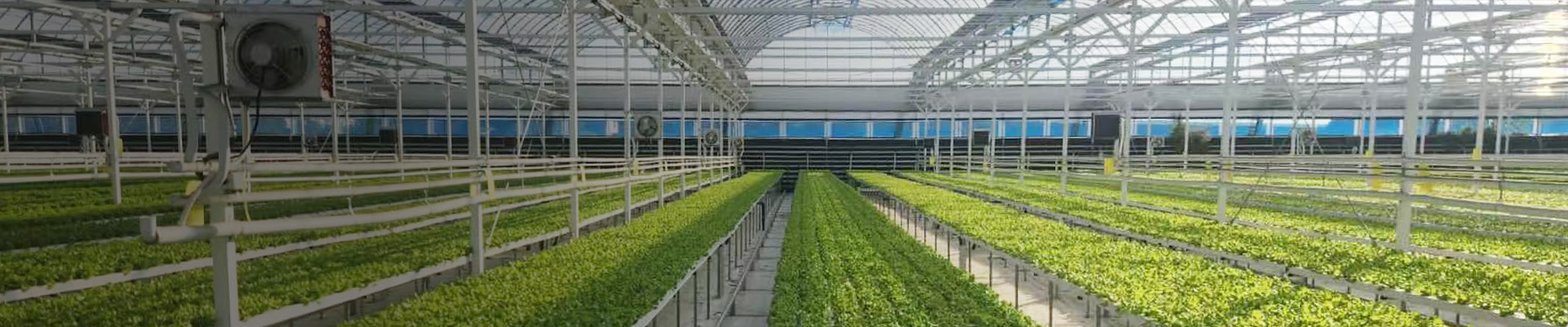
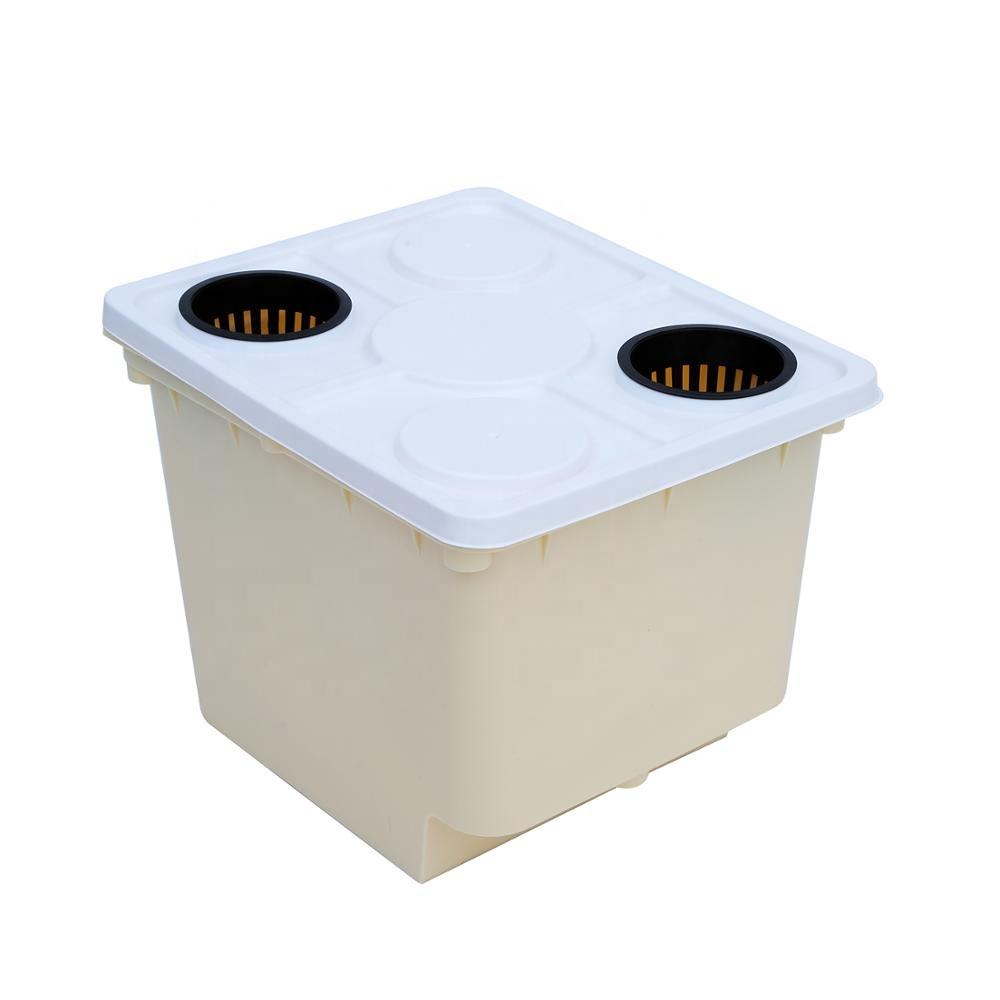


The Dutch Bucket System, also known as the Dutch Bato Bucket System, is a substrate-based hydroponic growing solution designed for commercial greenhouse farming and long-term vegetable production. Using individual growing buckets, drip irrigation, and a specialized drainage system, it provides a controlled growing environment for crops such as tomatoes, cucumbers, peppers, eggplants, strawberries, and melons.
Our Dutch Bucket Hydroponic System is designed to support efficient water and nutrient delivery while providing sufficient root space for larger plants. Made from UV-resistant, food-grade polypropylene (PP), each Dutch Bato Bucket features an internal siphon drainage design that helps remove excess nutrient solution and maintain suitable root-zone conditions.
Whether you are building a commercial greenhouse, expanding a hydroponic farm, or developing a soilless vegetable production project, this Bucket Hydroponic System offers a durable and scalable growing solution.

A Dutch Bucket System is a drip irrigation-based hydroponic growing method in which each plant grows in an individual bucket filled with a suitable growing medium. Nutrient solution is delivered directly to the root zone through drip irrigation lines, while excess solution drains through an internal drainage mechanism.
Also called a Dutch Bato Bucket System or Bato Bucket Hydroponics System, this growing method is particularly suitable for crops with larger root systems and longer growing cycles.
Unlike NFT systems, which deliver a thin film of nutrient solution through growing channels, Dutch Bucket Hydroponics uses individual containers and substrates to support plant roots.
A typical Dutch Bucket Hydroponic System includes:
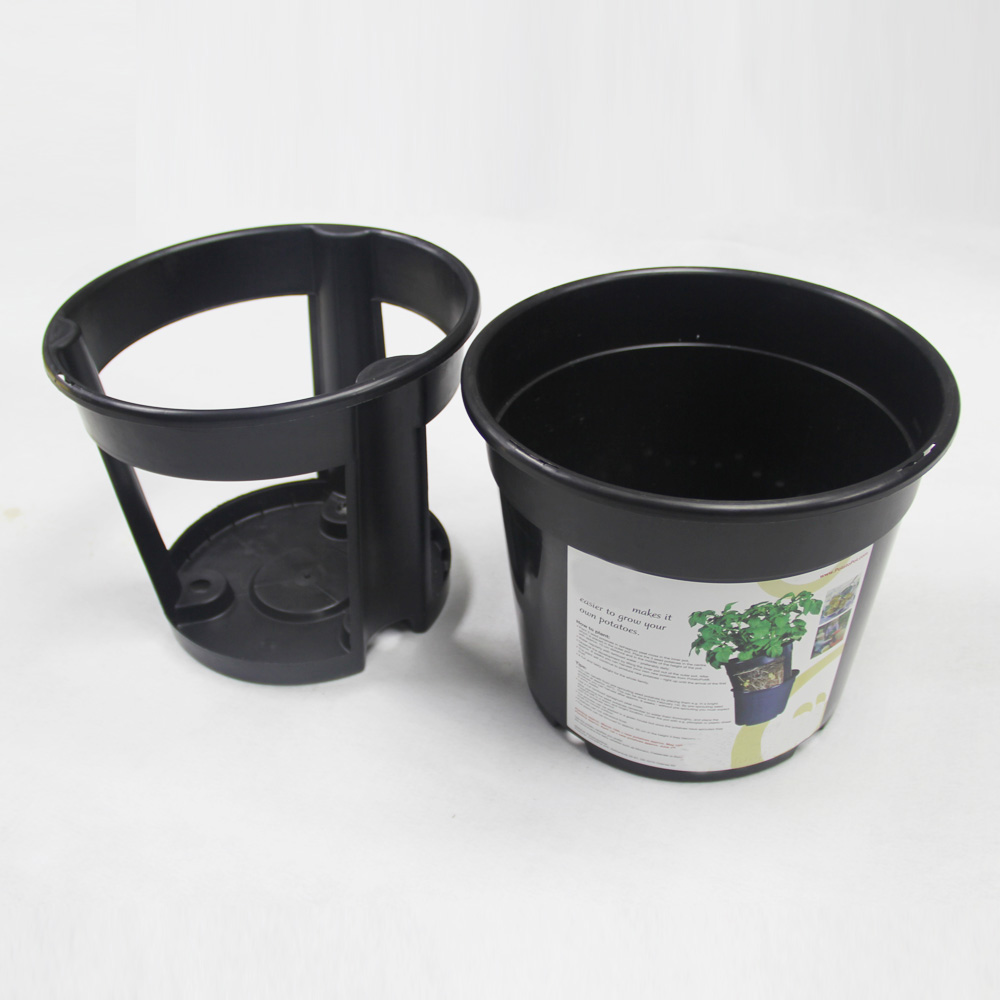
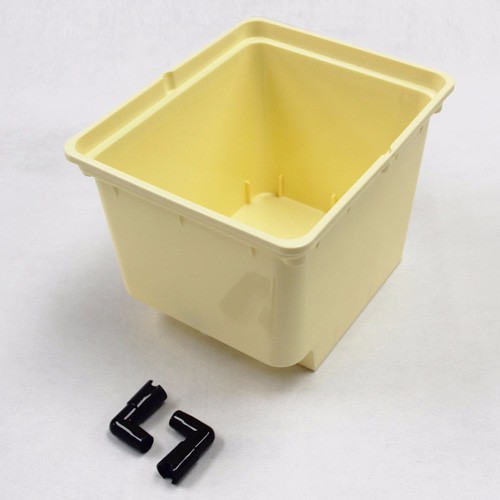
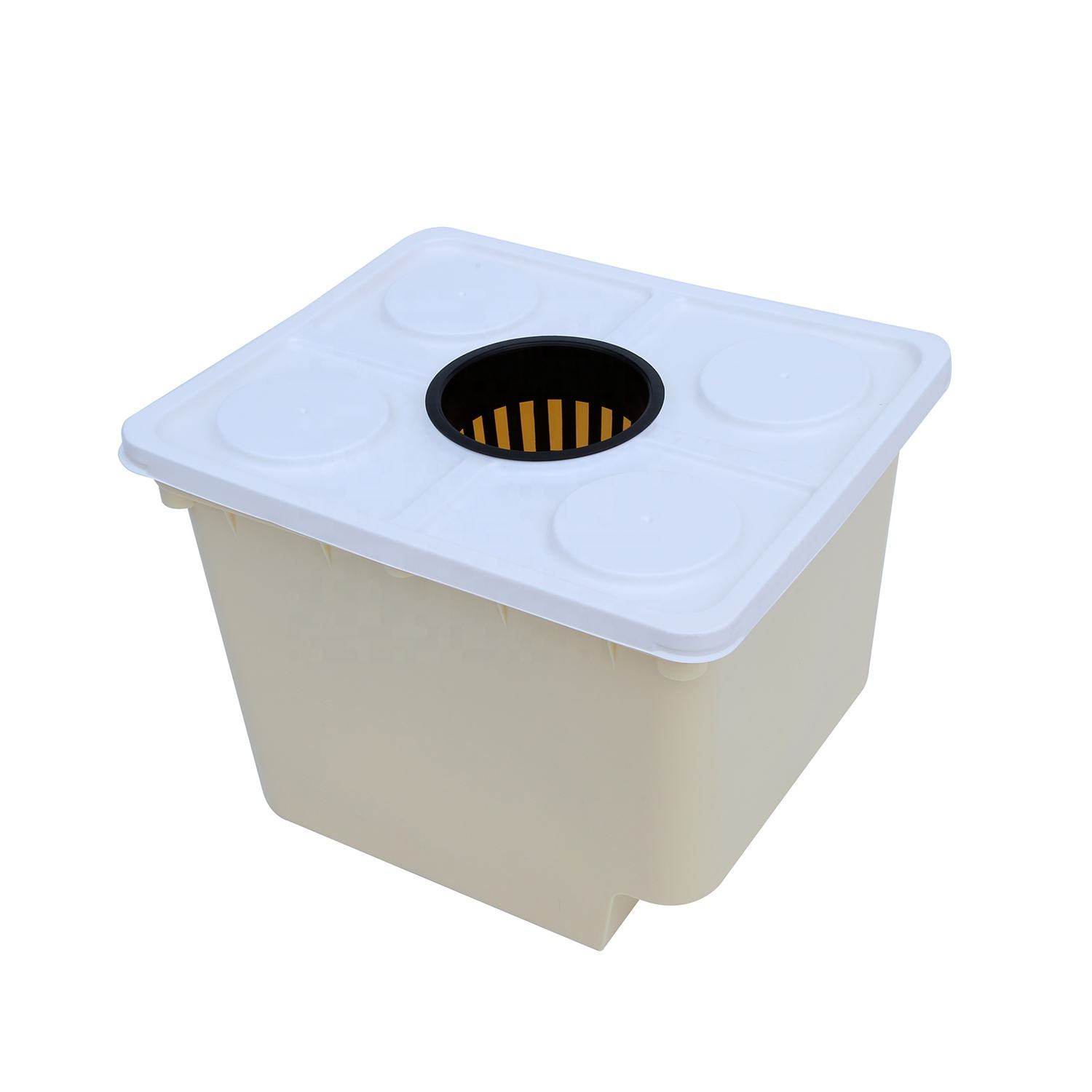
Dutch Bato Buckets
Drip irrigation pipes and emitters
Siphon elbows for internal drainage
Central drainage pipes
Growing media such as coco coir, Perlite, or expanded clay pellets
Nutrient solution reservoir and water pump
This configuration allows growers to manage individual plants while maintaining an organized irrigation and drainage network.
| Item | Details |
|---|---|
| Product Name | Dutch Bato Bucket |
| Product Type | Dutch Bucket System |
| Size | 30 × 25 × 23 cm (12 × 10 × 9 in) |
| Volume | 11 Liters |
| Material | Food-Grade PP + UV-Resistant Material |
| Color | Black / Beige |
| Weight | 0.41 kg |
| Drain Pipe Compatibility | 40mm / 50mm |
| Fittings | 2 Siphon Elbows Included |
| Lifespan | More Than 8 Years Under Normal Conditions |
| Certification | RoHS |
| Packing | 30 Pieces / Carton |
The complete irrigation system also requires compatible drip lines, drainage pipes, growing media, and other installation components, which should be selected according to the project design.
Each Dutch Bato Bucket provides an independent growing space for one plant, making it easier to organize crop spacing and manage individual plants.
This design is particularly useful for commercial vegetable production, where different plants may require individual pruning, irrigation adjustments, and harvesting schedules.
The individual bucket structure also helps limit the direct movement of drainage water between growing containers when properly installed. However, good sanitation and disease management are still necessary to prevent the spread of root diseases.
One of the main features of this Dutch Bucket System is its internal siphon drainage structure.
Each bucket includes two siphon elbows that help control drainage and direct excess nutrient solution toward a central drainpipe. This allows excess water to leave the growing container and helps prevent prolonged water accumulation around the roots.
The system is compatible with 40mm or 50mm drainage pipes, depending on the installation layout.
A properly designed drainage system supports root-zone aeration and helps maintain suitable moisture conditions for hydroponic crops.
The Dutch Bato Bucket is manufactured from food-grade polypropylene (PP) with UV-resistant properties.
Polypropylene offers good chemical resistance, impact resistance, and durability for agricultural applications. The UV-resistant material helps improve performance under greenhouse and outdoor growing conditions.
Its lightweight construction also makes the bucket easier to handle, transport, install, and rearrange during greenhouse setup.
Each bucket has an 11-liter capacity, providing a growing space for substrates and root development.
This capacity is suitable for many commonly cultivated fruiting vegetables, including tomatoes, cucumbers, peppers, and eggplants.
The actual amount of growing media required depends on the selected substrate, crop variety, and cultivation method.
The Dutch Bucket Hydroponic System uses individual containers connected through drip irrigation and drainage pipelines.
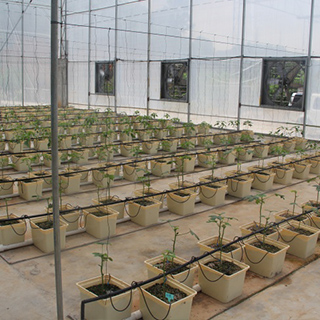
Growers can arrange multiple buckets in rows according to greenhouse dimensions and crop spacing requirements. The modular structure makes it convenient to expand the growing area or adjust the planting layout for different production projects.
The Dutch Bucket System operates through a drip irrigation and drainage process. Nutrient solution is supplied to individual buckets, and excess water is removed through the internal siphon structure.
The growing process generally follows these steps:
Step 1: Fill the Buckets with Growing Media
Place a suitable growing medium, such as coco coir, perlite, or expanded clay pellets, inside each Dutch Bato Bucket.
Step 2: Plant the Seedlings
Place one plant in each bucket. Individual planting helps provide sufficient growing space and makes crop management more convenient.
Step 3: Deliver Nutrient Solution
A water pump supplies nutrient solution through the main irrigation line. Drip emitters deliver water and nutrients directly to the growing media around each plant's roots.
Step 4: Drain Excess Nutrient Solution
As the growing media receives nutrient solution, excess water moves toward the bottom of the bucket and exits through the siphon elbows.
Step 5: Collect or Discharge Drainage Water
The drainage system directs excess solution into a central PVC drainpipe. Depending on the system configuration, the drainage can be collected and returned to the reservoir or discharged separately.
This drip-and-drain design provides a practical way to manage irrigation and root-zone moisture in commercial hydroponic production.
Dutch Bucket Hydroponics is particularly suitable for vine crops and fruiting vegetables that benefit from individual growing containers, sufficient root space, and continuous nutrient delivery.
The Dutch Bucket System for tomatoes is one of the most common applications of Bato Bucket Hydroponics. Each tomato plant grows in an individual bucket with substrate-based root support and drip irrigation.
This arrangement makes it easier to manage plant spacing, nutrient delivery, pruning, and harvesting in commercial tomato greenhouses.
Cucumbers are vigorous climbing plants that require adequate root space and regular water and nutrient supply. A Dutch Bucket Hydroponic System can provide individual growing containers and support organized greenhouse production.
Bell peppers, sweet peppers, and other capsicum varieties can be cultivated in Dutch Bato Buckets. The individual container design allows growers to manage irrigation and plant development more systematically.
Eggplants have relatively large root systems and benefit from stable growing media and controlled irrigation. Dutch Bucket Hydroponics provides a suitable container-based growing environment for greenhouse cultivation.
Strawberries can also be grown in Dutch Bucket systems, depending on the selected bucket size, substrate, planting arrangement, and irrigation design. Specialized strawberry gutters may be more suitable for projects requiring high-density or multi-level strawberry cultivation.
Selected melon varieties can be cultivated in Dutch Buckets when the system provides sufficient root space, plant support, and appropriate irrigation management.
Growing media play an important role in Dutch Bucket Hydroponics. They provide physical support for plant roots while helping regulate water retention, drainage, and root-zone aeration.
Common growing media include:
| Growing Medium | Main Characteristics | Common Applications |
|---|---|---|
| Coco Coir / Coco Peat | Good water retention and suitable root support | Tomatoes, cucumbers, peppers |
| Perlite | Lightweight and provides good aeration and drainage | Fruiting vegetables and substrate mixes |
| Expanded Clay Pellets (LECA) | Porous, reusable under suitable conditions, and provides structural support | Various hydroponic crops |
| Mixed Substrates | Combines water retention and aeration properties | Commercial greenhouse cultivation |
The best growing medium depends on crop requirements, irrigation frequency, drainage performance, and greenhouse conditions.
Compared with conventional soil cultivation, a properly designed Dutch Bucket System offers several advantages for commercial growing operations.
| Advantage | Description |
|---|---|
| Individual Plant Management | Each plant grows in a separate bucket for easier monitoring and crop management. |
| Controlled Nutrient Delivery | Drip irrigation supplies nutrient solution directly to the growing media. |
| Efficient Drainage | Siphon elbows help remove excess nutrient solution from the buckets. |
| Flexible Crop Arrangement | Buckets can be positioned according to crop spacing and greenhouse layout. |
| Durable Construction | UV-resistant PP material supports long-term agricultural use. |
| Easy Expansion | Additional buckets can be connected to compatible irrigation and drainage networks. |
| Commercial Applications | Suitable for greenhouse production of tomatoes, cucumbers, peppers, and other fruiting crops. |
In recirculating configurations, excess nutrient solution can be collected and reused after appropriate filtration and nutrient monitoring. This can help improve water and fertilizer management, although actual savings depend on system design and operation.
The Dutch Bucket Hydroponic System is widely used in different soilless cultivation environments.
Dutch Bato Buckets are commonly installed in commercial greenhouses for long-term vegetable production. The individual container design supports organized crop spacing, drip irrigation, and drainage management.
The system is suitable for growing tomatoes, cucumbers, peppers, eggplants, and other fruiting vegetables that benefit from substrate-based cultivation.
When combined with suitable lighting, ventilation, temperature management, and irrigation equipment, Dutch Bucket systems can also be used in indoor growing facilities.
A recirculating Dutch Bucket Hydroponic System can collect and reuse excess nutrient solution, supporting more controlled water and fertilizer management.
For commercial growers producing climbing and fruiting vegetables, multiple Bato Buckets can be arranged in rows and connected to centralized irrigation and drainage networks.
Different hydroponic systems use different methods to supply nutrients and support plant roots. Choosing the right system depends on crop type, growing space, and production requirements.
| Comparison | Dutch Bucket System | NFT System | DWC System |
|---|---|---|---|
| Growing Structure | Individual buckets | Long growing channels | Reservoir or growing tank |
| Root Support | Growing media | Channel and nutrient film | Oxygenated nutrient solution |
| Nutrient Delivery | Drip irrigation | Thin flowing nutrient film | Roots submerged in nutrient solution |
| Drainage | Siphon or bucket outlet | Channel return pipe | Reservoir-based circulation |
| Common Crops | Tomatoes, cucumbers, peppers | Lettuce, spinach, herbs | Lettuce and leafy greens |
| Main Application | Fruiting vegetable production | Leafy green production | Leafy green and small-scale production |
The Dutch Bucket System is particularly suitable for larger fruiting crops that need individual growing containers and substrate support. NFT systems are commonly used for leafy greens, while DWC systems provide a reservoir-based growing environment.
A Double Bucket Growing System can be considered for specific cultivation projects where additional container capacity or a modified growing arrangement is required.
Depending on the crop and greenhouse design, a double-bucket configuration may provide more growing space or support a customized irrigation layout.
Before selecting this arrangement, growers should confirm the required root volume, drainage structure, planting density, and overall system compatibility.
G&N Hydroponics provides Dutch Bato Buckets designed for commercial hydroponic and greenhouse growing applications.
Our Dutch Bucket System offers:
Food-grade polypropylene (PP) material
UV-resistant construction
11-liter bucket capacity
Two siphon elbows included
Compatibility with 40mm and 50mm drainage pipes
Black and beige color options
Lightweight design at approximately 0.41 kg per bucket
30 pieces per carton
RoHS certification
More than 8 years of expected service life under normal operating conditions
Whether you are building a Dutch Bucket System for tomatoes, expanding a commercial greenhouse, or developing a substrate-based hydroponic farm, our Dutch Bato Buckets provide a practical solution for organized plant cultivation and irrigation management.
Contact G&N Hydroponics to discuss your project requirements and find suitable hydroponic bucket solutions.
The Dutch Bucket System, also known as the Dutch Bato Bucket System, is a substrate-based hydroponic growing method. Each plant grows in an individual bucket filled with growing media and receives nutrient solution through drip irrigation. Excess solution drains through an internal drainage system.
Common crops include tomatoes, cucumbers, bell peppers, capsicum, eggplants, strawberries, and melons. The system is particularly suitable for fruiting vegetables that need individual growing containers and adequate root space.
A pump delivers nutrient solution through drip irrigation lines to individual buckets. Plants absorb water and nutrients from the growing media, while excess solution drains through siphon elbows into a central drainage pipe. The collected solution can be reused or discharged depending on the system configuration.
Common options include coco coir, perlite, and expanded clay pellets. Growers can also use mixed substrates to achieve suitable water retention and root-zone aeration. The choice depends on crop requirements and irrigation management.
Yes. Tomatoes are one of the most common crops grown in Dutch Bucket systems. Individual buckets provide root space and substrate support, while drip irrigation delivers water and nutrients directly to each plant.
A Dutch Bato Bucket is designed with a drainage structure that typically includes siphon elbows and a connection to a central drainpipe. This allows excess nutrient solution to leave the bucket in a controlled way. Ordinary containers may not have this specialized drainage design.
Yes. Dutch Bucket systems are widely used in commercial greenhouse farming. They can be arranged in rows and connected to centralized drip irrigation and drainage systems for organized vegetable production.
One plant per bucket is generally recommended for larger fruiting crops such as tomatoes and cucumbers. This helps provide adequate root space and makes individual plant management easier.
The supplied product specification indicates an expected service life of more than 8 years under normal operating conditions. Actual lifespan depends on UV exposure, temperature, mechanical handling, installation, and maintenance.
Yes. The system has a relatively straightforward structure and can be expanded as growing experience and production requirements increase. However, growers still need to manage irrigation, nutrient concentration, drainage, and crop support correctly.

G and N is serving for more than 1,000 customers over 122 countries around the world, offering high-quality products and services to global customers.
Copyright © 2026 G AND N FORTUNE LIMITED All rights reserved.