
 English

Products
Productos principales:Canal hidroponico NFT/Cubo holandes hidroponico/Canalon de fresa/
Maceta de red de plastico/Medios de cultivo Rockwool
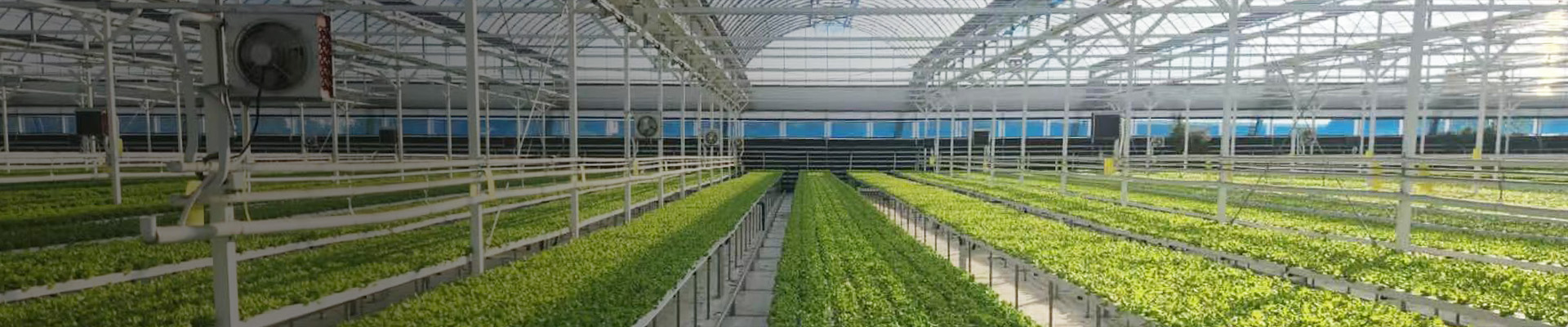
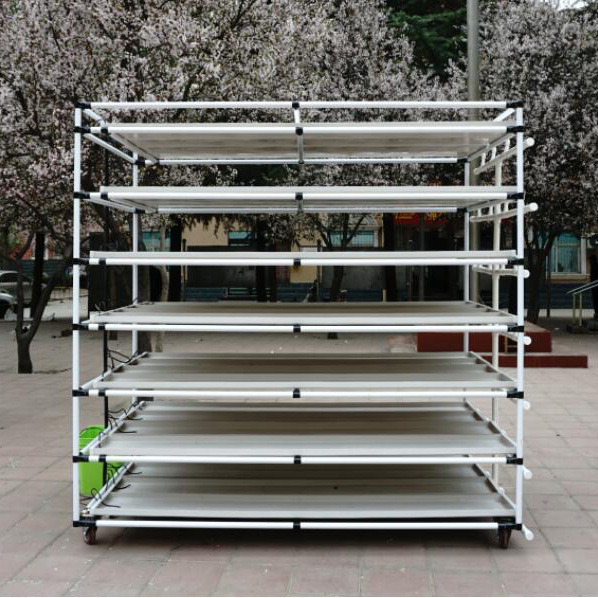


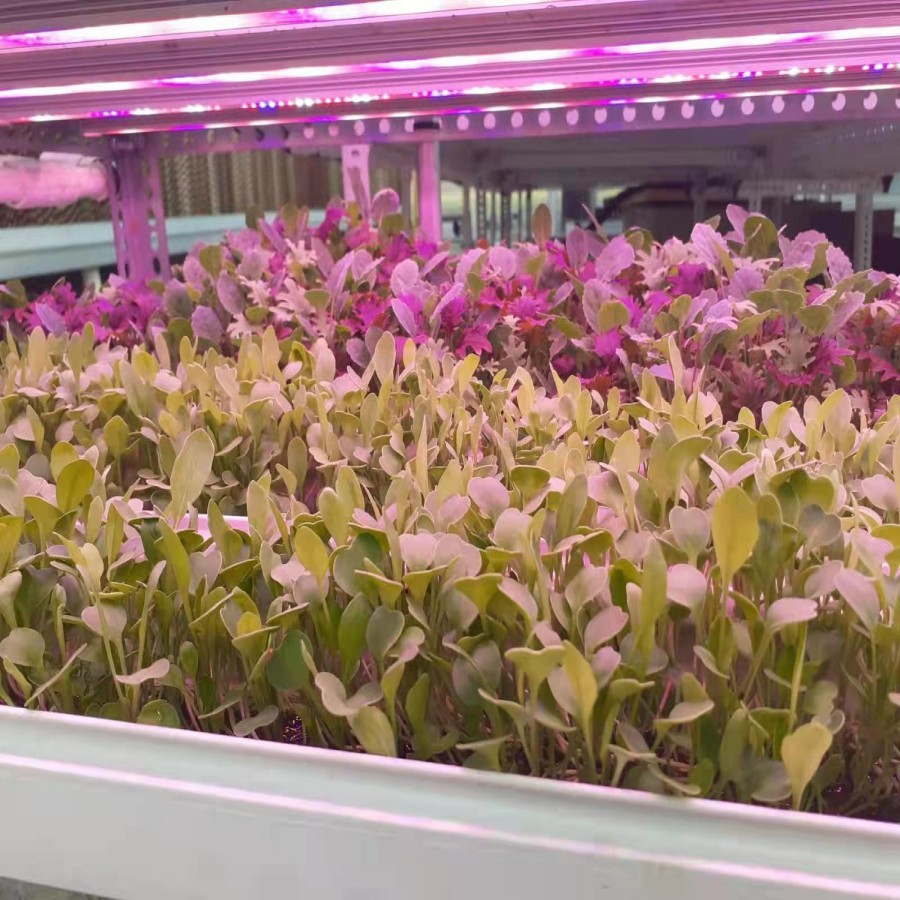
The Multiple Layer Hydroponic Fodder System is a space-efficient solution designed for producing fresh green fodder through controlled soilless growing. With multiple growing levels, hydroponic Fodder Trays or channels, and an integrated irrigation system, the system makes better use of vertical space while providing a structured environment for seed sprouting and fodder production.
Designed for livestock farms, greenhouses, indoor agricultural facilities, and commercial fodder production, the Multi-Layer Hydroponic Fodder System can be used to grow suitable crops such as barley, wheat, oats, and other forage crops. The growing trays or NFT Channels provide dedicated areas for seed germination, while the irrigation system supplies the water required during the growing process.
The multi-layer configuration also allows growers to organize multiple batches at different growth stages, making it easier to establish a continuous fodder production schedule.
A Multiple Layer Hydroponic Fodder System is a vertical growing system designed to produce fresh animal fodder without traditional soil. Instead of using agricultural fields, seeds are placed in growing trays or channels and supplied with water through a controlled hydroponic irrigation system.
Multiple trays are arranged vertically to create several growing levels within the same floor area. This structure is particularly useful for farms and agricultural facilities that want to increase their fodder-growing capacity without significantly expanding their floor space.
Depending on the configuration, the system can include hydroponic Fodder Trays, NFT channels, water tanks, pumps, irrigation pipes, drainage components, and supporting racks.
The operating process combines seed sprouting, controlled irrigation, and repeated growing cycles.
Suitable seeds such as barley, wheat, or oats are selected and prepared before being introduced into the growing system. Good-quality seeds help support consistent germination and growth.
The prepared seeds are evenly distributed across the Hydroponic fodder tray or growing channel. Water is supplied during the initial stage to maintain the moisture required for germination.
Water is delivered to the different growing levels through the irrigation system. In an NFT-based configuration, water can flow along the growing channel and provide moisture to the developing roots.
As the seeds germinate, roots develop within the growing area while green shoots grow above the tray or channel. The growing environment can be managed according to the crop and facility conditions.
Once the fodder reaches the desired growth stage, the fresh green fodder can be harvested and used as animal feed. The growing trays or channels can then be cleaned and prepared for the next production cycle.
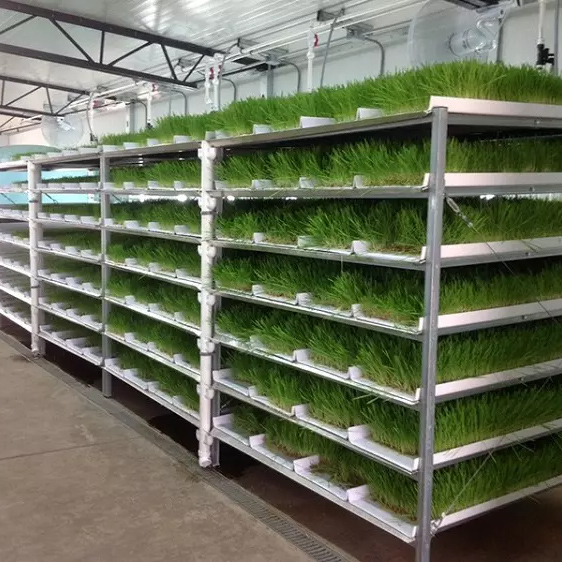
The defining feature of the Multiple Layer Hydroponic Fodder System is its multi-level structure. Growing trays or channels are arranged vertically, allowing several growing areas to occupy a compact floor footprint.
This design is particularly useful for indoor fodder production facilities where available floor space is limited.
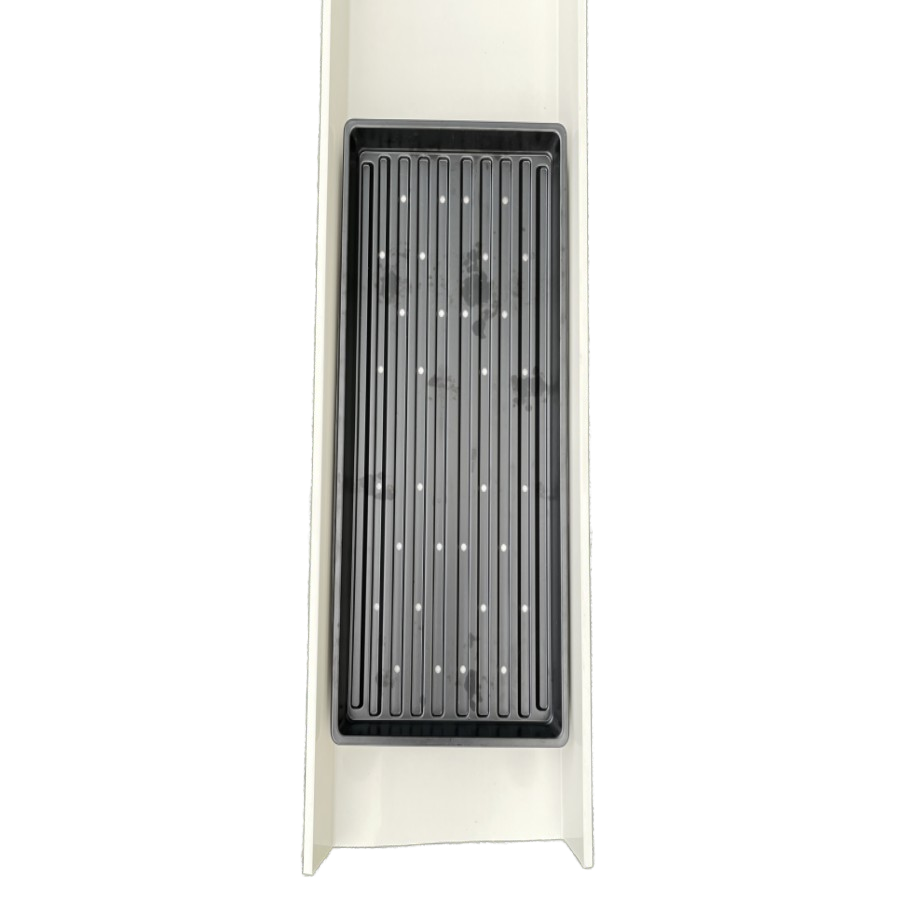
Dedicated Hydroponic Fodder Trays provide a defined growing area for seeds during germination and fodder development. The trays can be arranged across different levels of the rack according to the system configuration.
For systems designed around Nutrient Film Technique, NFT channels can be used to deliver a controlled flow of water through the growing area.
The exact irrigation method should be selected according to the channel design, growing length, crop requirements, and pump capacity.
A water tank, pump, irrigation pipes, and drainage components can work together to distribute water across multiple growing levels.
A well-designed irrigation layout helps maintain consistent moisture throughout the production area.
Multiple growing layers allow growers to use vertical space rather than relying entirely on horizontal growing areas. This makes the system suitable for compact indoor farms, greenhouses, and livestock facilities.
The system can support repeated cycles of seed placement, germination, fodder growth, harvesting, and cleaning. By staggering different trays, growers can organize production at different growth stages.
The Multiple Layer Hydroponic Fodder System can be used for various suitable forage crops.
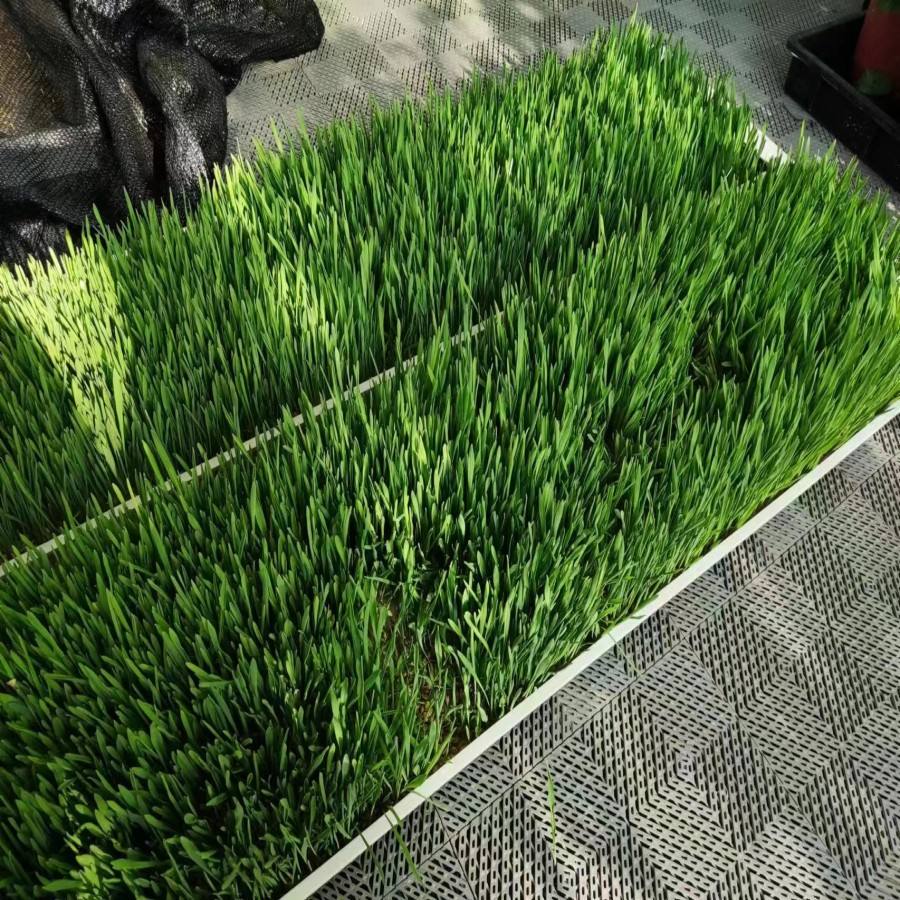
Barley is commonly used in hydroponic fodder production. A Hydroponic Barley Fodder System provides a controlled environment for barley seeds to germinate and develop into fresh green fodder.
Wheat seeds can also be grown in hydroponic trays or channels. Hydroponic Wheat Fodder can be incorporated into livestock feeding programs according to the farm's requirements.
Oats may also be suitable for hydroponic fodder production when appropriate seed varieties and growing conditions are available.
Other suitable forage seeds can be considered depending on the system configuration, local growing practices, and livestock feeding requirements.
The Multi-Layer Hydroponic Fodder System can be used in a range of agricultural and livestock applications.
The system can provide a dedicated area for producing fresh green fodder for cattle, sheep, goats, and other suitable livestock.
For cattle operations, the system can be used as a Cattle Fodder Growing System to produce fresh green feed through repeated growing cycles.
Dairy farms can integrate hydroponic fodder production into their existing agricultural facilities and establish a regular supply of fresh fodder.
The system can be installed in greenhouses to provide a controlled environment for seed sprouting and green fodder production.
The compact multi-layer structure makes the system suitable for indoor agricultural facilities where efficient use of available floor space is important.
Multiple units can be combined to create larger Commercial Hydroponic Fodder Systems according to the available facility and production requirements.
The vertical structure allows multiple growing trays or channels to be installed above one another. This makes better use of the available floor area compared with a single-level layout.
The system produces fodder without traditional agricultural soil. Seeds are grown in trays or channels with controlled water delivery.
Multiple levels provide opportunities to organize trays according to different planting and harvesting dates. This can help farms establish a more consistent fodder production schedule.
The integrated irrigation system provides water directly to the growing areas. Water delivery can be managed according to crop requirements and system design.
The number of growing levels, trays, channels, and supporting components can be configured according to the customer's facility and production requirements.
The multi-layer structure can be used in suitable indoor facilities, greenhouses, livestock farms, and other controlled agricultural environments.
The main difference is the way the growing area is organized.
| Feature | Multiple Layer Hydroponic Fodder System | Single-Layer Fodder System |
|---|---|---|
| Growing structure | Multi-level | Single level |
| Space utilization | Uses vertical space | Uses mainly floor space |
| Tray capacity | Multiple levels | Limited by floor area |
| Growing environment | Indoor or greenhouse | Indoor, greenhouse, or outdoor depending on design |
| Production organization | Multiple batches can be arranged vertically | Mainly horizontal |
| Suitable applications | Compact and commercial production | Smaller or open-layout production |
A multi-layer design is particularly useful when the available floor area is limited and vertical space can be utilized.
When selecting a Hydroponic Fodder Growing System, buyers should consider several factors.
The number of layers should match the available installation height and expected production requirements.
The dimensions and configuration of the Hydroponic Fodder Tray or NFT channel should be suitable for the selected crop and growing process.
The pump, water tank, irrigation pipes, and drainage system should be matched to the number of growing levels and overall system layout.
Growing trays and channels should use materials suitable for repeated exposure to water, cleaning, and agricultural operating conditions.
The design should allow the trays or channels to be accessed easily for cleaning, seed placement, harvesting, and routine maintenance.
Commercial projects may require customized rack dimensions, growing levels, tray quantities, channel lengths, or irrigation layouts. A customized configuration can help match the system to the customer's facility.
The Multiple Layer Hydroponic Fodder System combines vertical space utilization with controlled hydroponic growing to provide a practical solution for fresh fodder production.
Its multi-level design allows farms to organize multiple growing trays or channels within a compact area, while an integrated irrigation and drainage system supports the seed sprouting and fodder-growing process.
For applications involving Hydroponic Barley Fodder, Hydroponic Wheat Fodder, green fodder production, and livestock feed production, the system can be configured according to the available space and production requirements.
For B2B agricultural projects, customized system layouts can also help manufacturers, greenhouse operators, and livestock farms develop a fodder-growing solution that fits their specific facility.
A Multiple Layer Hydroponic Fodder System is a vertical, multi-level growing system designed to produce fresh fodder without traditional soil. It uses trays or channels together with a controlled irrigation system.
Common crops include barley, wheat, and oats. Other suitable forage crops may also be considered depending on seed type and growing conditions.
Yes. Barley seeds can be sprouted and grown in suitable hydroponic fodder trays or channels to produce fresh green barley fodder.
Yes. Hydroponic Wheat Fodder can be produced in suitable trays or growing channels under properly managed growing conditions.
Yes. The vertical structure is particularly suitable for indoor fodder production facilities where floor space is limited.
Yes. The number of growing levels and overall rack configuration can be customized according to the customer's available space and production requirements.
Depending on the system configuration, it can include growing racks, hydroponic fodder trays or NFT channels, water tanks, pumps, irrigation pipes, drainage components, and related accessories.
Yes. When configured for fodder production, it can be used as a Cattle Fodder Growing System for producing fresh green feed for cattle and other suitable livestock.

G and N is serving for more than 1,000 customers over 122 countries around the world, offering high-quality products and services to global customers.
Copyright © 2026 G AND N FORTUNE LIMITED All rights reserved.