
 English

Products
Productos principales:Canal hidroponico NFT/Cubo holandes hidroponico/Canalon de fresa/
Maceta de red de plastico/Medios de cultivo Rockwool
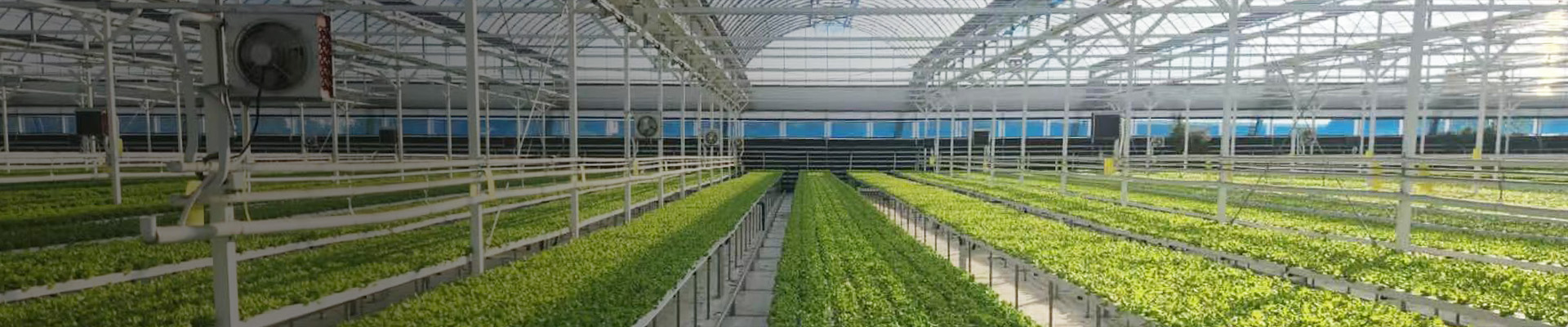
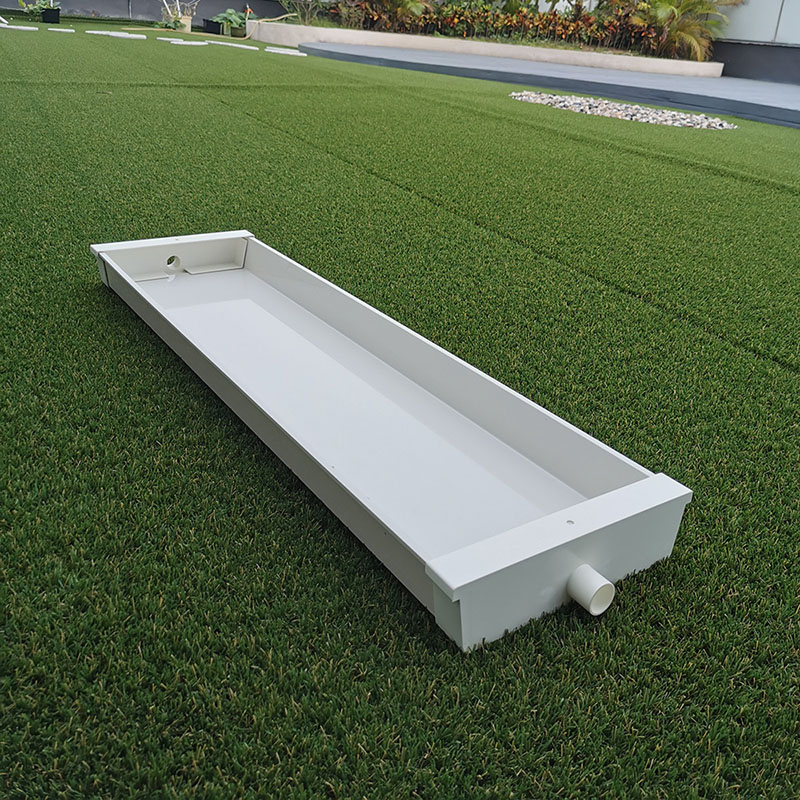


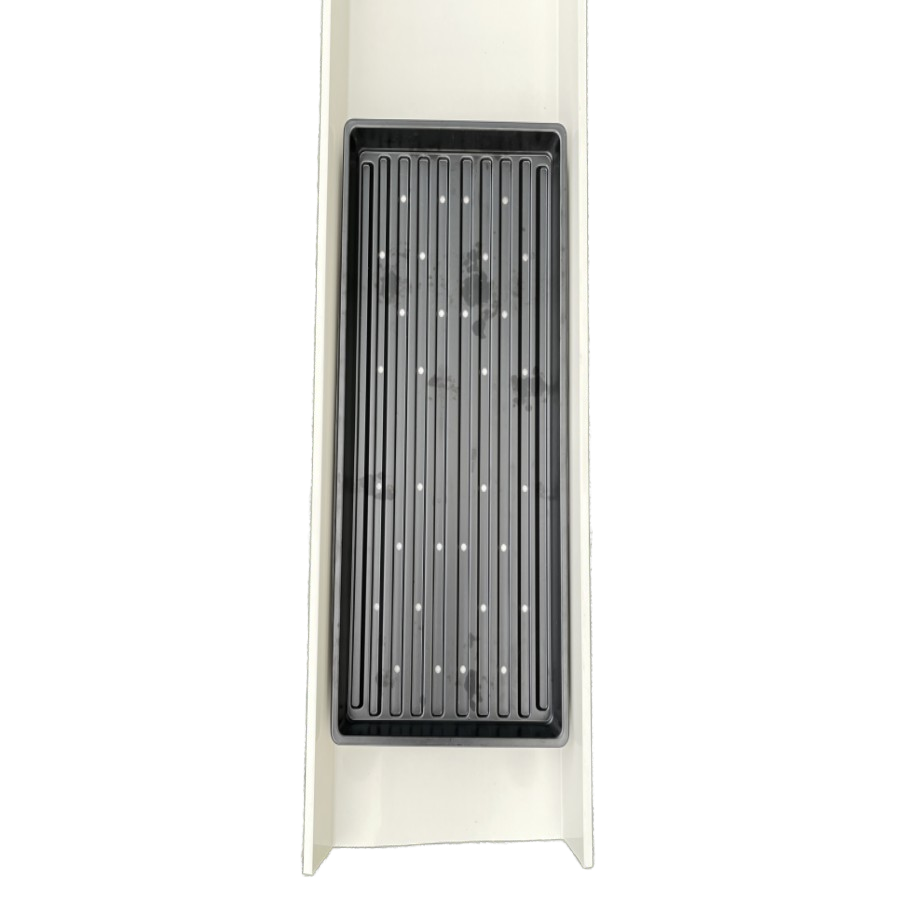
The Hydroponic Fodder Gutter is a dedicated growing channel designed for producing fresh green fodder through a controlled hydroponic growing process. It provides a practical growing space for seeds such as barley, wheat, oats, and other suitable forage crops while supporting efficient irrigation and drainage.
Designed for greenhouse agriculture, livestock farms, and commercial fodder production, the Hydroponic Fodder Gutter System can be integrated with water circulation and NFT-style irrigation to support repeated fodder growing cycles. Its long channel structure also allows multiple gutters to be installed together, creating a scalable solution for hydroponic fodder production.
For projects with specific installation or production requirements, the gutter can be supplied in customized lengths and configured as part of a complete Hydroponic Fodder Growing System.
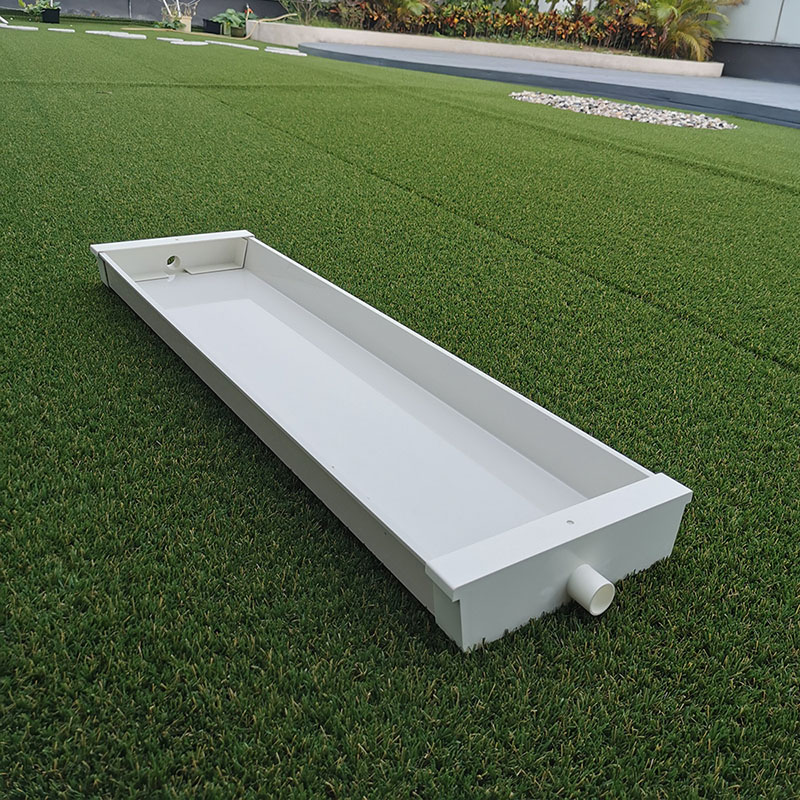
A Hydroponic Fodder Gutter is a long, channel-shaped growing component used to cultivate fresh fodder without traditional soil. Seeds are placed inside the gutter and supplied with water through a controlled irrigation system.
During the growing process, the seeds germinate and develop roots and green shoots. The gutter provides a defined growing area while allowing water to flow through the system and drain away efficiently.
Unlike conventional field-based fodder production, a hydroponic fodder gutter can be installed in a greenhouse or other controlled growing environment, making it suitable for farms that need a structured solution for fresh green fodder production.
The Hydroponic Fodder Gutter System works by combining growing channels with an irrigation and drainage system.
Suitable seeds such as barley, wheat, oats, or other forage crops are selected and prepared before being placed into the growing gutter.
The prepared seeds are distributed across the gutter to create an even growing layer. Proper seed distribution helps provide sufficient space for germination and root development.
Water is delivered to the gutter through the irrigation system. For systems using NFT-style watering, a controlled flow of water passes along the growing channel and supplies moisture to the developing roots.
After passing through the growing area, excess water is collected through the drainage system. Depending on the overall system design, water can be returned to a reservoir and recirculated.
The seeds gradually develop roots and green shoots. Under suitable growing conditions, the crop can develop into fresh green fodder within a short production cycle.
Once the fodder reaches the desired growth stage, it can be harvested and supplied as fresh feed for livestock. The gutter can then be cleaned and prepared for the next growing cycle.
The long, continuous design provides a dedicated growing area for hydroponic fodder production. Multiple Hydroponic Fodder Gutters can be installed together to create larger production systems.
The gutter can be manufactured from suitable PVC material for agricultural growing applications. The use of durable PVC provides a practical solution for repeated exposure to water and routine cleaning.
For hydroponic agriculture projects, material selection is important because the growing channel needs to withstand regular irrigation, drainage, and handling.
The gutter can be incorporated into an NFT-style watering system, allowing water to flow through the growing channel and provide moisture to the developing roots.
The exact flow rate and irrigation configuration should be selected according to gutter dimensions, system length, crop requirements, and pump capacity.
For greenhouse and agricultural applications, UV-stabilized material can help the gutter withstand exposure to growing-environment conditions over extended use.
Different farms and greenhouse projects have different layouts. The Hydroponic Fodder Gutter can therefore be supplied in different lengths or customized according to the installation requirements.
Customized gutter dimensions can help buyers create a growing layout that fits their available space and overall hydroponic fodder system.
The gutter-based design supports repeated seed germination, fodder growing, harvesting, and cleaning cycles, making it suitable for organized fodder production.
A Hydroponic Fodder Gutter can be used for different suitable forage crops.
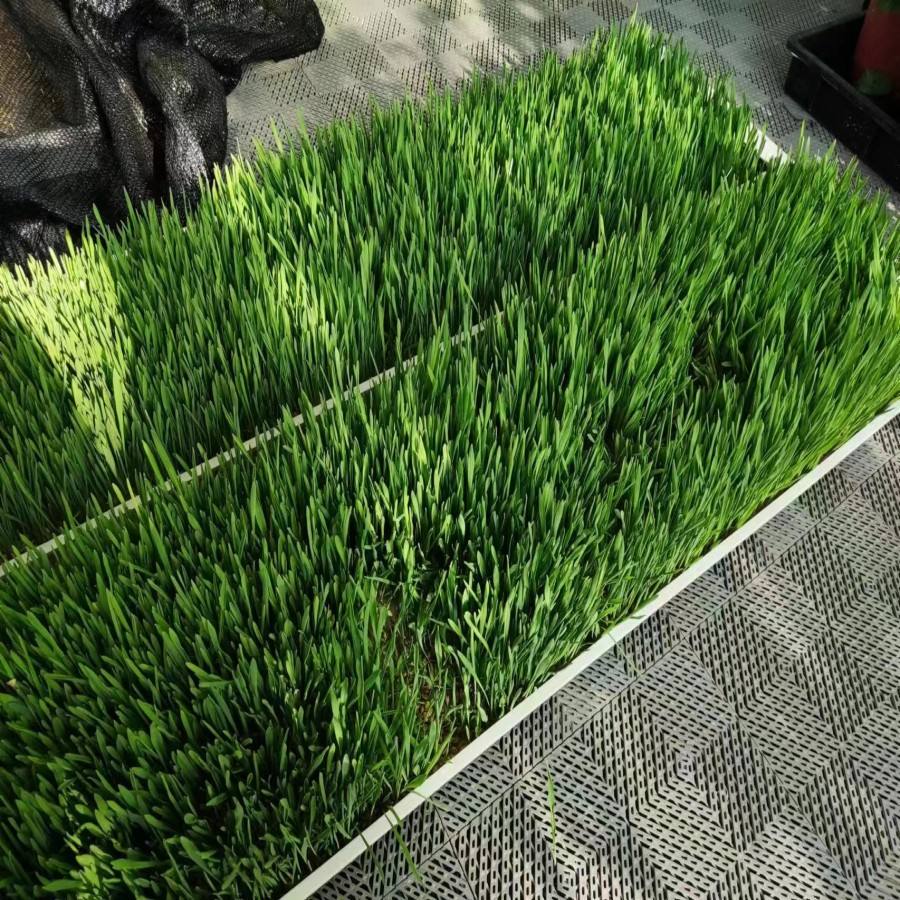
Barley is one of the common crops associated with hydroponic fodder production. A Barley Fodder Growing System can use long growing gutters to support seed germination and green fodder development.
Wheat seeds can also be grown in a hydroponic environment to produce fresh green wheat fodder. Hydroponic Wheat Fodder is suitable for integration into livestock feeding programs according to farm requirements.
Oats can be considered for hydroponic fodder production when suitable seeds and growing conditions are available.
Depending on the system design and local growing practices, other suitable forage crops may also be considered.
The appropriate crop should be selected based on seed quality, growing conditions, livestock requirements, and the intended production cycle.
The Hydroponic Fodder Gutter System can be used in different agricultural and livestock production environments.
The gutter can be installed inside greenhouses to create a dedicated area for controlled fodder production.
Fresh hydroponic fodder can be produced as part of a cattle feeding program. The system is particularly suitable for farms looking to establish an organized in-house fodder production area.
Dairy farms can integrate a Green Fodder Growing System into their agricultural facilities to produce fresh fodder through repeated growing cycles.
The system can be used for livestock operations where fresh green fodder is required for cattle and other suitable animals.
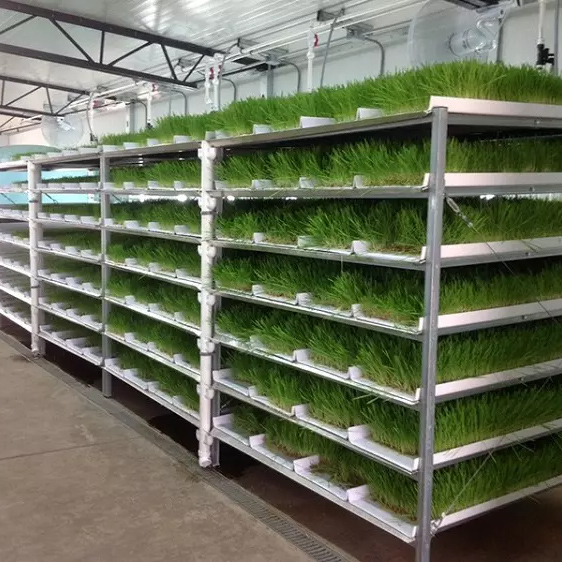
Multiple gutters can be combined into a larger Commercial Hydroponic Fodder System, allowing the growing area to be expanded according to available space and production requirements.
The long gutter structure allows multiple growing channels to be organized efficiently within a greenhouse or dedicated fodder production facility.
The system produces fodder without conventional soil, making it suitable for controlled growing environments and facilities where traditional field cultivation is not practical.
An integrated irrigation system provides water directly to the growing area. This allows growers to manage water delivery according to crop requirements and system configuration.
Additional gutters can be incorporated into larger installations, making the system suitable for farms with different production scales.
Gutter length, arrangement, and irrigation configuration can be considered according to the customer's greenhouse, farm layout, and production requirements.
Hydroponic fodder is generally produced through relatively short growing cycles. This allows growers to establish staggered planting and harvesting schedules for a regular supply of fresh fodder.
Both gutters and trays can be used for hydroponic fodder production, but their structures are different.
| Feature | Hydroponic Fodder Gutter | Hydroponic Fodder Tray |
|---|---|---|
| Shape | Long channel | Flat tray |
| Growing layout | Continuous or elongated | Individual growing units |
| Water management | Suitable for channel-based irrigation | Usually managed per tray or rack |
| Installation | Greenhouse or fixed growing layout | Suitable for rack-based systems |
| Scalability | Multiple gutters can be connected or arranged | Multiple trays can be stacked |
| Typical application | Greenhouse and commercial fodder production | Indoor and vertical fodder production |
A Hydroponic Fodder Gutter is particularly suitable when the project requires long growing channels, while tray-based systems can be more suitable for multi-layer vertical growing structures.
When selecting a Hydroponic Fodder Gutter System, buyers should consider the following factors.
The length and dimensions of the gutter should match the available growing space and intended system layout.
Choose a suitable agricultural-grade material that can withstand water exposure, cleaning, and repeated use.
The irrigation method should be compatible with the gutter design. NFT-style watering can be considered when the system is designed around controlled water flow through the growing channel.
Efficient drainage is important for maintaining appropriate growing conditions and preventing unnecessary water accumulation.
The number of gutters, growing rows, water tanks, pumps, and irrigation lines should be planned according to the farm's production requirements.
For commercial projects, customized gutter lengths and system configurations can help optimize the available greenhouse or livestock-farm space.
The Hydroponic Fodder Gutter provides a practical foundation for building a controlled and scalable fodder production system. Its long channel design, hydroponic irrigation compatibility, durable PVC construction, and customizable length make it suitable for different greenhouse and livestock farming applications.
Whether the goal is hydroponic barley fodder, hydroponic wheat fodder, or general green fodder production, the gutter can be integrated with water tanks, pumps, irrigation pipes, and drainage components to create a complete Hydroponic Fodder Growing System.
For B2B agricultural projects, customized gutter dimensions and system layouts allow manufacturers and suppliers to develop solutions around the customer's available space, crop selection, and production requirements.
A Hydroponic Fodder Gutter is a long channel-shaped growing component designed for producing fresh green fodder without traditional soil. It can be integrated with a hydroponic irrigation and drainage system.
Common options include barley, wheat, and oats. The actual crop selection depends on seed type, growing conditions, and the intended livestock feeding application.
Yes. A Barley Fodder Growing System can use hydroponic gutters to support barley seed germination and green fodder production.
Yes. Hydroponic Wheat Fodder can be produced in suitable hydroponic growing gutters under properly managed growing conditions.
Yes. Gutter length and the overall system configuration can be customized according to the customer's greenhouse, farm layout, and production requirements.
Yes. The gutters can be installed inside greenhouses as part of a Greenhouse Hydroponic Fodder System.
Suitable PVC material can be used for hydroponic fodder gutters. For agricultural applications, UV-stabilized and appropriate-quality PVC can provide durability for repeated growing and cleaning cycles.

G and N is serving for more than 1,000 customers over 122 countries around the world, offering high-quality products and services to global customers.
Copyright © 2026 G AND N FORTUNE LIMITED All rights reserved.