
 English

Products
Productos principales:Canal hidroponico NFT/Cubo holandes hidroponico/Canalon de fresa/
Maceta de red de plastico/Medios de cultivo Rockwool
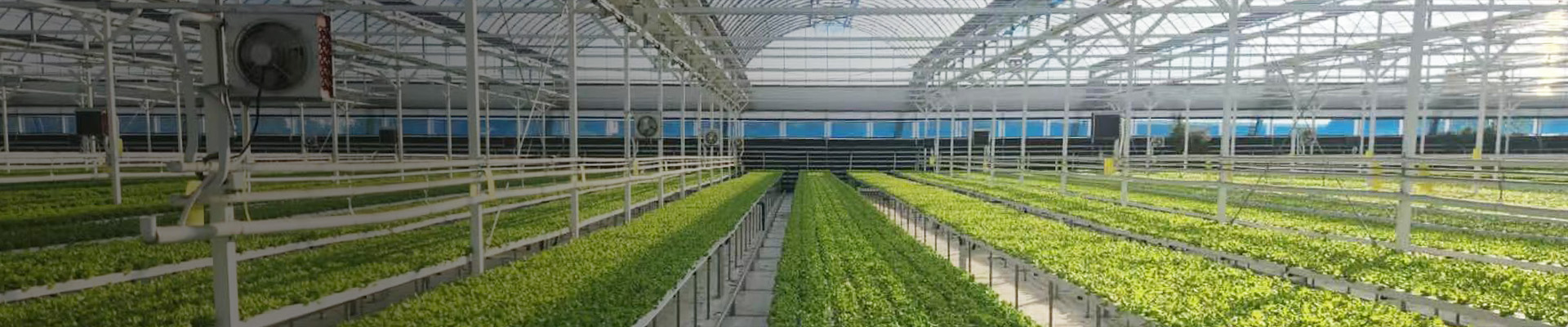
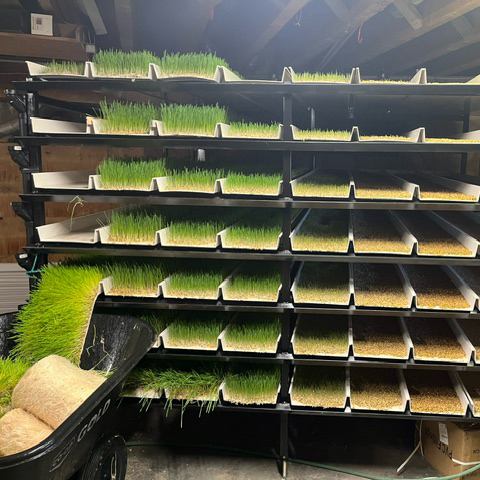


The Customized Vertical Indoor Hydroponic System is a space-efficient soilless growing solution designed for controlled indoor cultivation. With a multi-level vertical structure and hydroponic growing trays, the system can be configured for different growing requirements, available spaces, and production applications.
Designed particularly for hydroponic fodder production, this system can be used to grow suitable crops such as wheat, barley, and other forage crops for livestock feeding. By combining vertical growing racks, Fodder Trays, water circulation, and controlled irrigation, the system provides a practical solution for farms looking to produce fresh green fodder in a compact indoor environment.
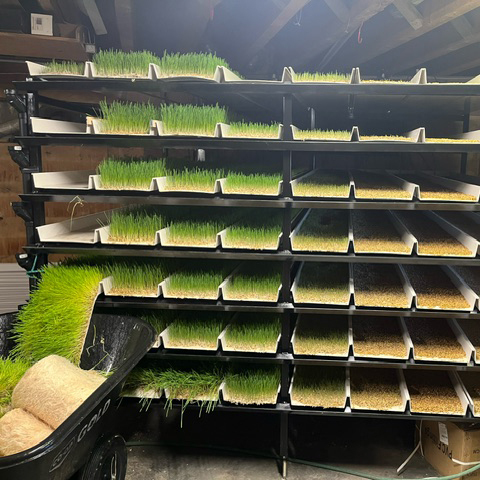
A Customized Vertical Indoor Hydroponic System is a multi-layer hydroponic growing system designed to make efficient use of indoor space. Instead of growing plants directly in soil, seeds are placed in hydroponic Fodder Trays and supplied with water through an integrated irrigation system.
The vertical structure allows multiple growing trays to be installed at different levels. This makes it possible to organize more growing areas within a limited floor space while maintaining a dedicated area for seed germination and fodder production.
For livestock applications, the system can function as a Vertical hydroponic fodder system for producing fresh green fodder such as hydroponic wheat fodder and hydroponic barley fodder.
The operating process of the system is based on controlled water delivery and repeated growing cycles.
Suitable seeds are selected and prepared before being placed into the hydroponic fodder trays. Wheat, barley, and other suitable forage crops can be used according to the production requirements.
The prepared seeds are evenly distributed across the hydroponic fodder trays. The trays are then installed on the vertical growing racks.
A water tank and pump can supply water to the different growing levels through an irrigation system. Water is distributed across the growing trays to maintain the moisture required for seed germination and fodder development.
Depending on the system configuration, excess water can be collected through the drainage system and returned to the water tank.
The seeds gradually develop roots and green shoots inside the trays. Because the system is installed indoors, the growing environment can be managed according to the requirements of the crop and facility.
After the appropriate growing period, the fresh green fodder can be harvested and used as part of a livestock feeding program. The trays can then be cleaned and prepared for the next growing cycle.
The system can be designed around the customer's available installation space and production requirements. The number of growing levels, tray arrangement, rack dimensions, and overall configuration can be adjusted for different projects.
This makes the Customized Vertical Hydroponic System suitable for both compact indoor facilities and larger commercial fodder production operations.
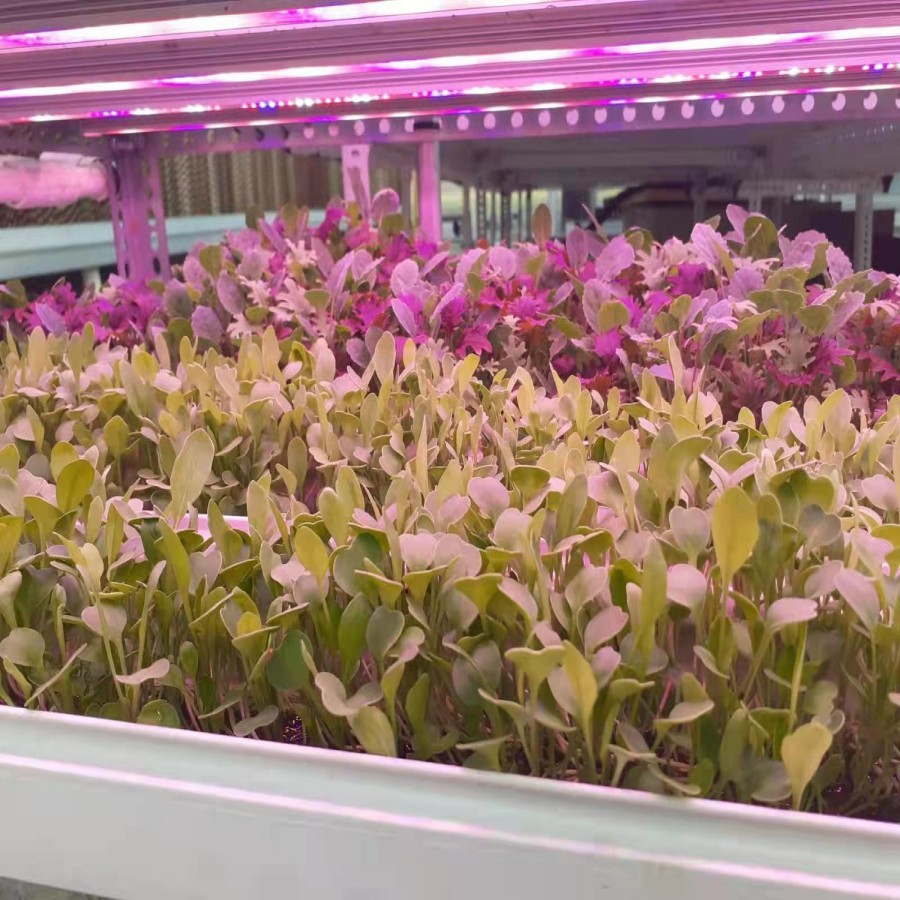
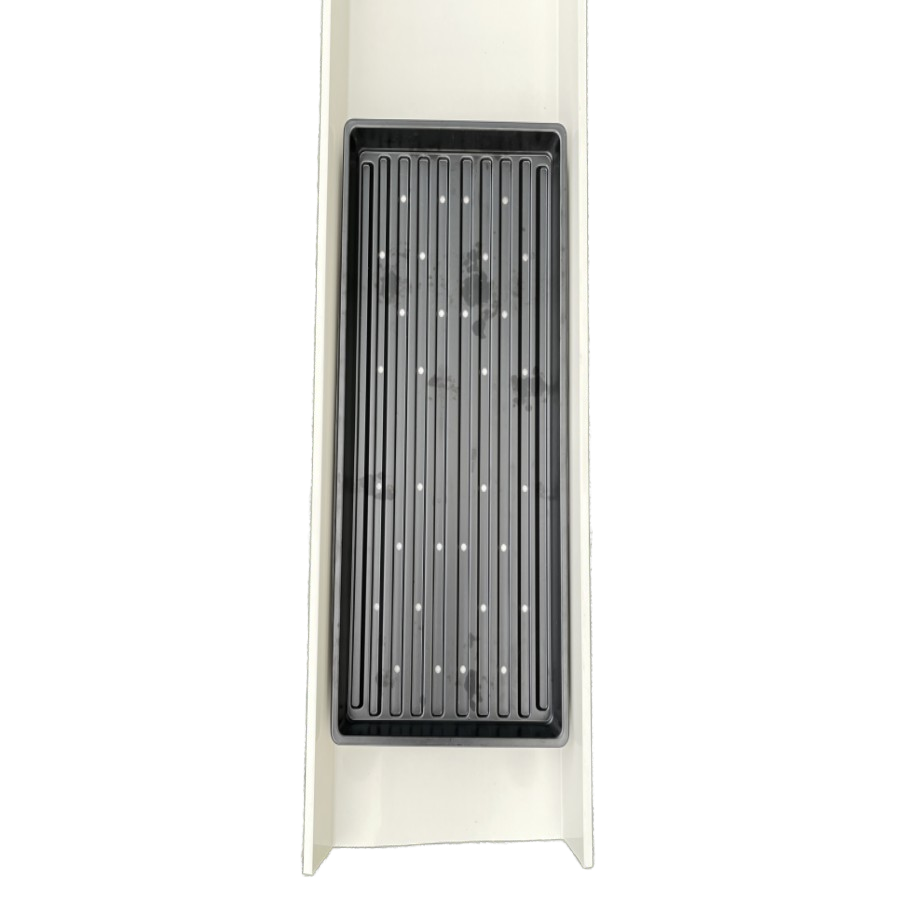
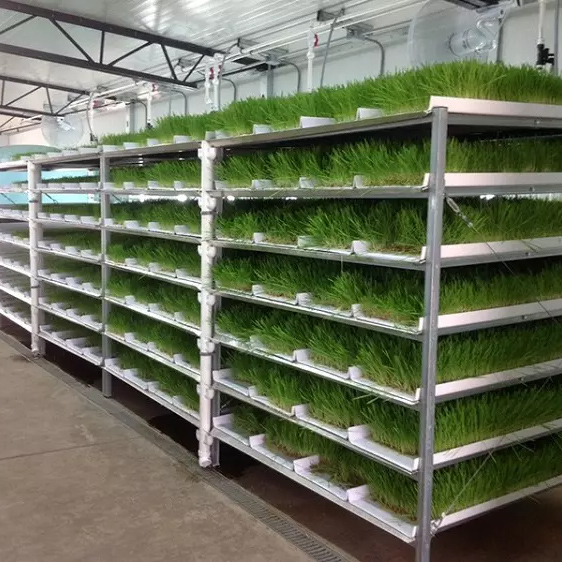
Multiple hydroponic fodder trays are arranged vertically to create several growing levels. This structure helps maximize the use of vertical space while keeping the growing area organized.
The tray-based design is particularly suitable for seed germination and fresh green fodder production.
The system can incorporate a water tank, pump, irrigation pipes, and drainage components to provide controlled water distribution.
A properly designed irrigation system helps maintain consistent growing conditions across different tray levels.
The system is designed for indoor installation and can be used in livestock farms, agricultural facilities, greenhouses, and other controlled growing environments.
Indoor production can make it easier to organize growing cycles and manage the conditions around the fodder production area.
The vertical configuration allows multiple trays to occupy the same general floor area. This can be particularly valuable for farms that have limited available space for fodder production.
The system can be adapted according to the intended application. Different rack layouts, tray quantities, growing levels, and irrigation configurations can be considered for specific projects.
The Customized Vertical Indoor Hydroponic System is primarily suitable for hydroponic fodder production and can be configured for appropriate forage crops.
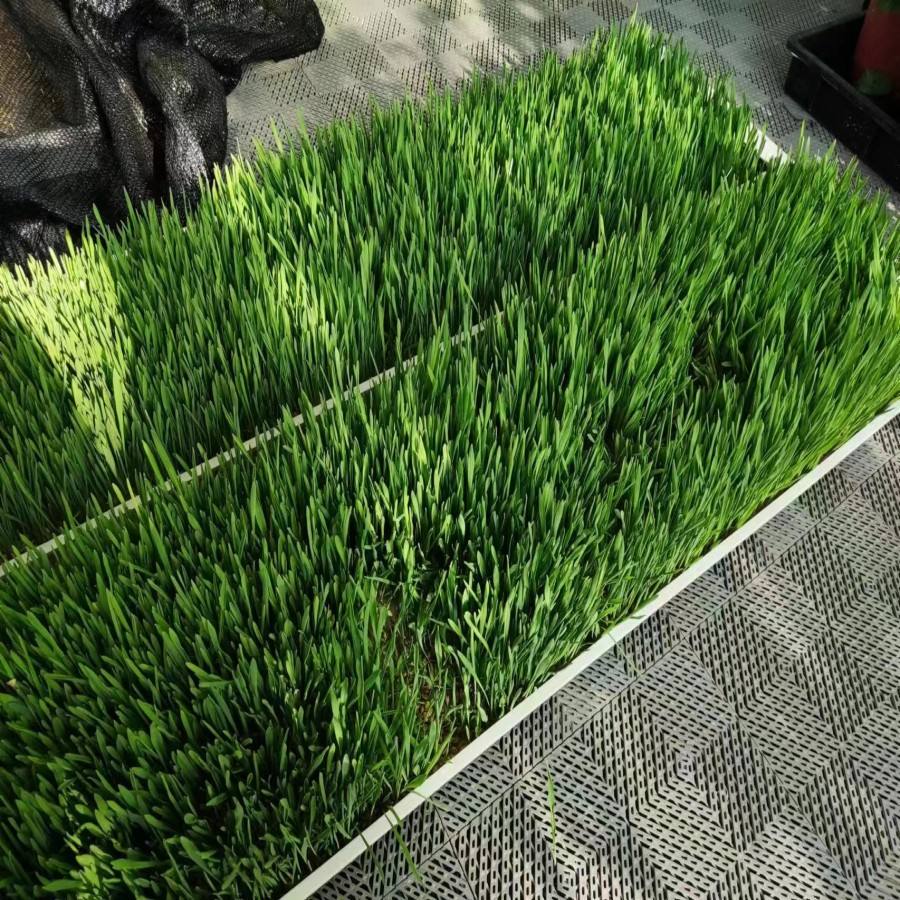
Wheat is commonly used for hydroponic fodder production. Under suitable growing conditions, wheat seeds can germinate and develop into fresh green fodder.
Barley is another common option for hydroponic fodder systems. Hydroponic barley fodder can be produced in trays through a controlled germination and growing process.
Corn can also be considered for certain hydroponic fodder applications, depending on the seed type, tray configuration, growing conditions, and system design.
The actual crop selection should be determined according to the customer's livestock feeding requirements and the growing characteristics of each crop.
The Customized Vertical Indoor Hydroponic System can be used in a variety of agricultural and livestock applications.
The system can be used as a Cattle Fodder Growing System for producing fresh green fodder as part of a cattle feeding program.
Dairy farms can use an indoor hydroponic fodder system to establish a dedicated area for regular fresh fodder production.
The system can be integrated into livestock operations where fresh green feed is required for cattle and other suitable animals.
For farms with limited outdoor growing space, an Indoor Hydroponic Fodder System provides an alternative method of producing fresh fodder in a controlled environment.
Multiple vertical growing units can be combined for larger projects, making the system suitable for commercial hydroponic fodder production.
The vertical structure makes use of both floor and vertical space. Multiple growing trays can be installed in one rack, helping organize fodder production within a relatively compact area.
The system does not require conventional soil for seed germination and fodder production. This makes it suitable for indoor facilities where traditional agricultural cultivation may not be practical.
Indoor hydroponic production allows growers to manage water supply and other environmental conditions according to the crop and facility.
Hydroponic fodder can be produced through repeated short growing cycles. By staggering seed placement and harvesting, farms can organize a more regular production schedule.
One of the main advantages of a Customized Vertical Hydroponic System is that the system can be designed around the customer's specific requirements rather than being limited to a standard configuration.
The system provides livestock farms with an alternative method for producing fresh green fodder while making efficient use of available indoor growing space.
Different agricultural facilities have different production requirements. A customized system can therefore be designed around several factors.
The height, width, length, and number of growing levels can be considered according to the available installation area.
The number, dimensions, and arrangement of hydroponic fodder trays can be adjusted according to the expected production requirements.
Water tanks, pumps, irrigation pipes, drainage systems, and related components can be configured according to the rack layout.
For commercial applications, multiple vertical units can be arranged to create a larger Vertical Hydroponic Fodder System.
The configuration can be developed according to whether the system is intended for cattle farms, dairy farms, livestock facilities, greenhouse production, or commercial fodder production.
A Customized Vertical Indoor Hydroponic System combines vertical space utilization, soilless cultivation, controlled irrigation, and flexible configuration into one practical growing solution.
For farms producing hydroponic wheat fodder, hydroponic barley fodder, or other suitable green fodder, the system provides a structured way to organize indoor production. Its customizable design also allows the growing rack, fodder trays, irrigation system, and overall layout to be adapted to different facilities.
For B2B agricultural projects, customization is particularly valuable because the required system configuration can vary significantly depending on available space, crop selection, production targets, and livestock feeding requirements.
It is a multi-level indoor hydroponic growing system that uses vertical racks and growing trays to produce plants or fresh fodder without traditional soil. The system can be customized according to the customer's space and production requirements.
This type of system can be used for hydroponic fodder production, particularly for crops such as wheat and barley. It can also be configured for other suitable growing applications.
Yes. When configured for forage production, it can be used as a Cattle Fodder Growing System for producing fresh green fodder for cattle and dairy farming operations.
Common options include wheat, barley, and suitable forage crops. Corn may also be considered depending on the seed type and system configuration.
Yes. The vertical structure is designed to support indoor growing applications and can be installed in suitable livestock farms, agricultural facilities, and controlled growing environments.
Yes. The rack structure and number of growing levels can be designed according to the available indoor space and the customer's production requirements.
Depending on the configuration, the system can include vertical growing racks, hydroponic fodder trays, water tanks, pumps, irrigation pipes, drainage components, and other related accessories.

G and N is serving for more than 1,000 customers over 122 countries around the world, offering high-quality products and services to global customers.
Copyright © 2026 G AND N FORTUNE LIMITED All rights reserved.