
 English

Products
Productos principales:Canal hidroponico NFT/Cubo holandes hidroponico/Canalon de fresa/
Maceta de red de plastico/Medios de cultivo Rockwool
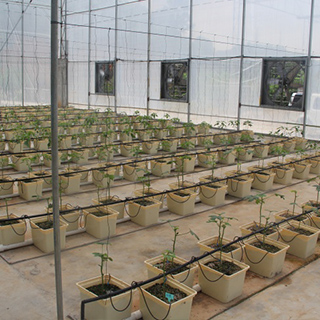


The Dutch Bucket system is one of the most reliable hydroponic growing methods for cultivating fruiting vegetables such as tomatoes, cucumbers, peppers, and eggplants. Designed for efficient water circulation and root health, the Dutch Bucket hydroponics method is widely used in commercial greenhouses and home hydroponic farms.
If you are wondering what is Dutch Bucket, it refers to a specialized bucket system hydroponics technique where individual buckets hold plants while nutrient-rich water flows through the system and recirculates back to the reservoir. This design allows plants to receive consistent water and nutrients while preventing waterlogging.
Our dutch bucket hydro container is designed with durability, sustainability, and efficient plant growth in mind, making it ideal for both professional growers and those creating a DIY dutch bucket system.
The dutch bucket system is a hydroponic irrigation method where each plant grows in a separate container connected to a shared nutrient delivery and drainage system. This allows growers to manage water, nutrients, and plant health more efficiently.
In dutch bucket hydroponics, nutrient solution flows into each bucket and excess liquid drains out through a pipe connected to the main return line. This process keeps plant roots moist while preventing excessive water accumulation.
Many growers choose this bucket system hydroponics setup because it supports large fruiting crops and allows easy expansion of the growing system.
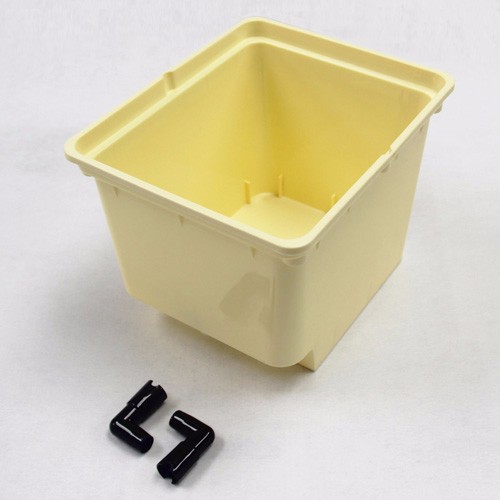
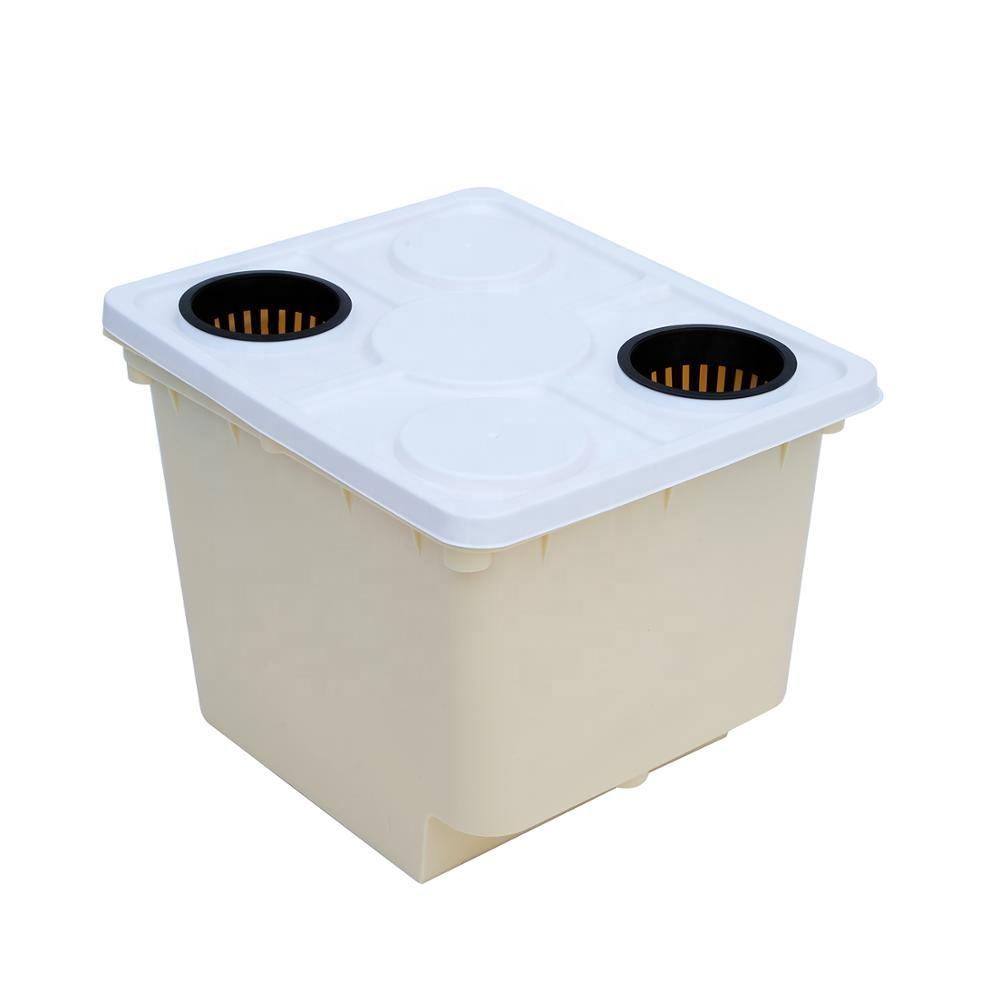
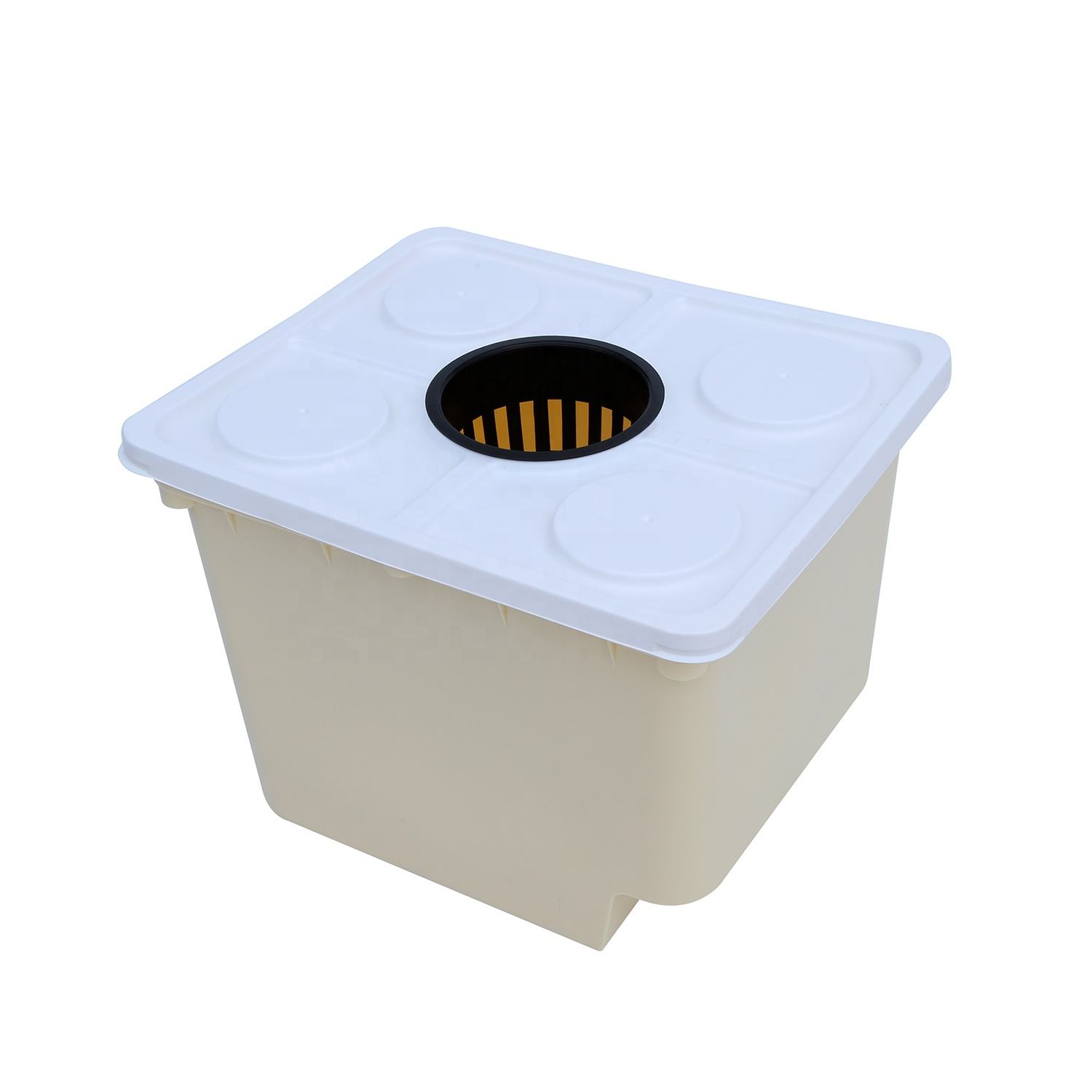
Our dutch bucket hydroponics container is engineered for durability and efficient plant cultivation.
The bucket is manufactured using 100% virgin environmentally friendly PP material, ensuring strong structural stability and safe use in hydroponic environments. The high-quality polypropylene material also provides excellent durability for long-term dutch bucket system operation.
The bucket material is designed with anti-UV properties, allowing it to withstand outdoor greenhouse exposure without degradation. This ensures long-lasting performance in various dutch bucket hydro growing environments.
The surface of the dutch bucket is extremely smooth and resistant to cracking or breaking. This anti-breaking design makes the container strong and reliable, even during continuous use in large bucket system hydroponics installations.
Compared with traditional planting methods, the dutch bucket system significantly reduces water and fertilizer consumption. The bottom of the bucket maintains a 10 cm water level, ensuring that plant roots always have access to moisture without becoming waterlogged.
This balanced water supply is a key reason why many growers prefer dutch bucket hydroponics systems for high-yield crop production.
Unlike soil-based planting systems that can cause land degradation, the dutch bucket hydro setup can be reused for multiple growing cycles. This reduces waste and prevents soil pollution.
Another important advantage of the dutch bucket system is disease control. If a plant becomes infected, growers can easily remove a single bucket to prevent the disease from spreading across the entire crop, minimizing potential losses.
The container is designed with practical dimensions suitable for hydroponic cultivation.
Size: 30 × 25 × 23 cm
Material: PP (Polypropylene)
These dimensions provide sufficient root space for vegetables commonly grown in dutch bucket hydroponics systems.
Understanding how does a dutch bucket system work helps growers maximize productivity.
The system typically consists of:
A nutrient reservoir
Irrigation tubing
Multiple dutch bucket containers
A drainage pipe
A water pump
The pump sends nutrient-rich water from the reservoir to each bucket. The plants absorb what they need, while excess water drains through the outlet pipe and returns to the reservoir for reuse.
This continuous circulation makes bucket system hydroponics extremely efficient for water management and plant nutrition.
Many growers are interested in how to build a dutch bucket hydroponic system because it is relatively simple and scalable.
A basic DIY dutch bucket system usually includes the following steps:
Prepare several dutch bucket containers.
Install a drip irrigation line connected to a nutrient reservoir.
Connect drainage outlets to a return pipe.
Fill the buckets with suitable growing media such as perlite or coconut coir.
Install a pump to circulate nutrient solution.
Plant crops such as tomatoes or cucumbers.
Once assembled, the dutch bucket hydroponics system will automatically deliver nutrients and maintain proper moisture levels.
The dutch bucket system is widely used in vegetable cultivation due to its high productivity and water efficiency.
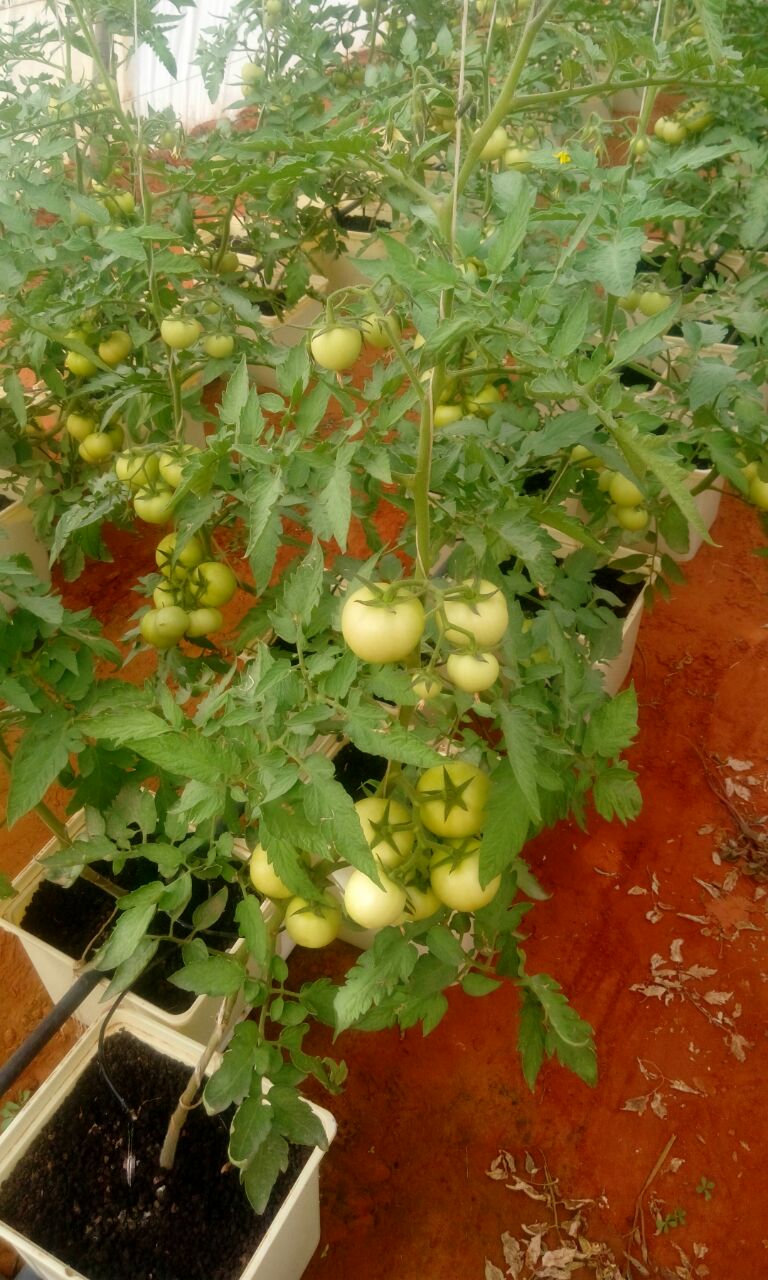
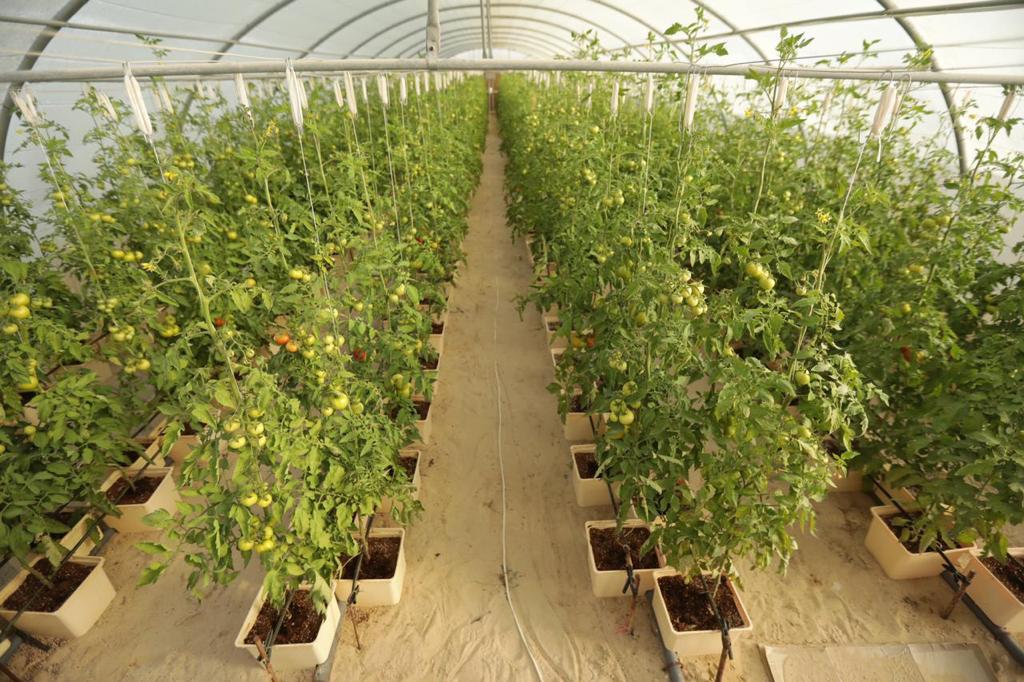
Tomatoes are one of the most common crops grown in dutch bucket hydroponics systems. The buckets provide strong root support and consistent nutrient supply, resulting in high yields and healthy plants.
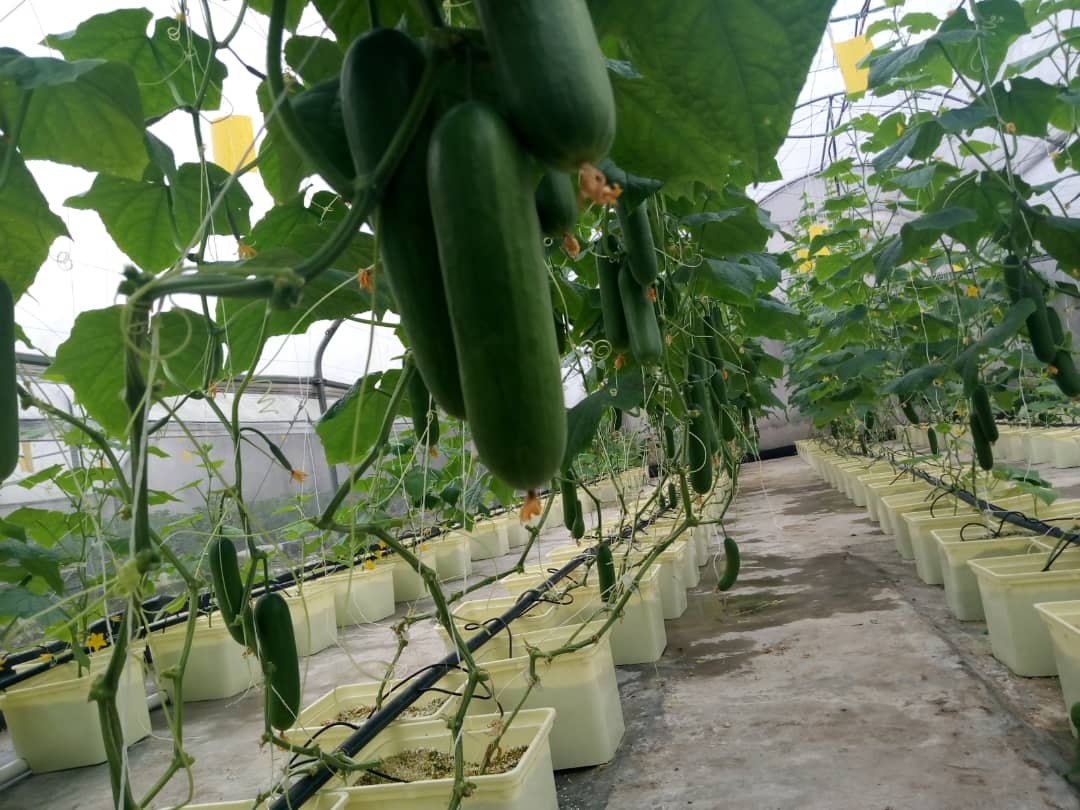
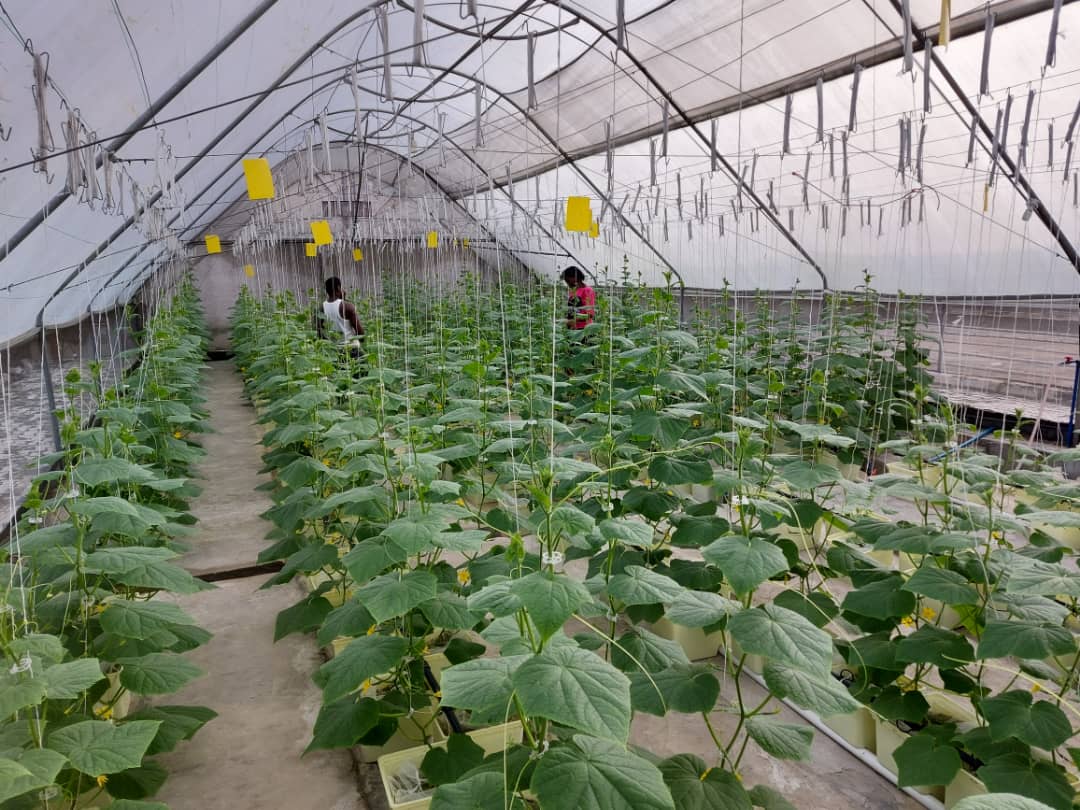
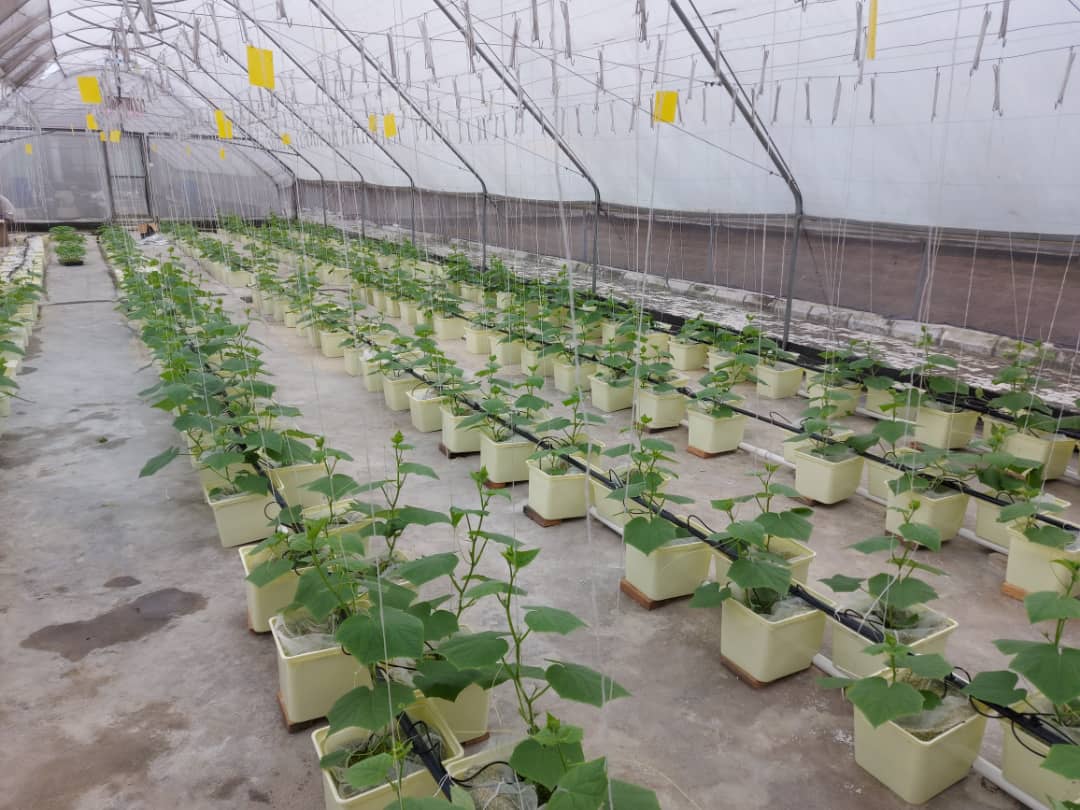
Cucumbers grow vigorously in dutch bucket hydro environments because the system provides stable moisture levels and excellent nutrient control.
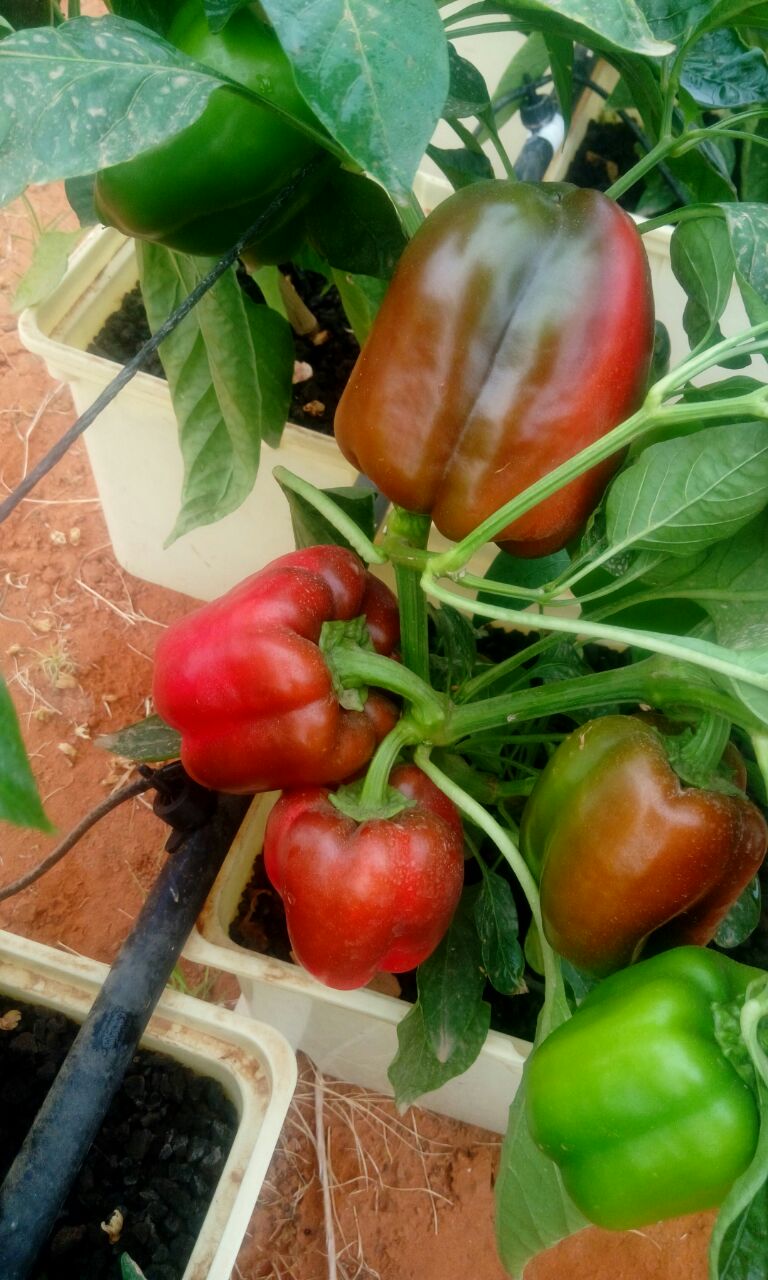
Peppers benefit from the controlled irrigation of bucket system hydroponics, which helps maintain balanced growth and improved fruit quality.
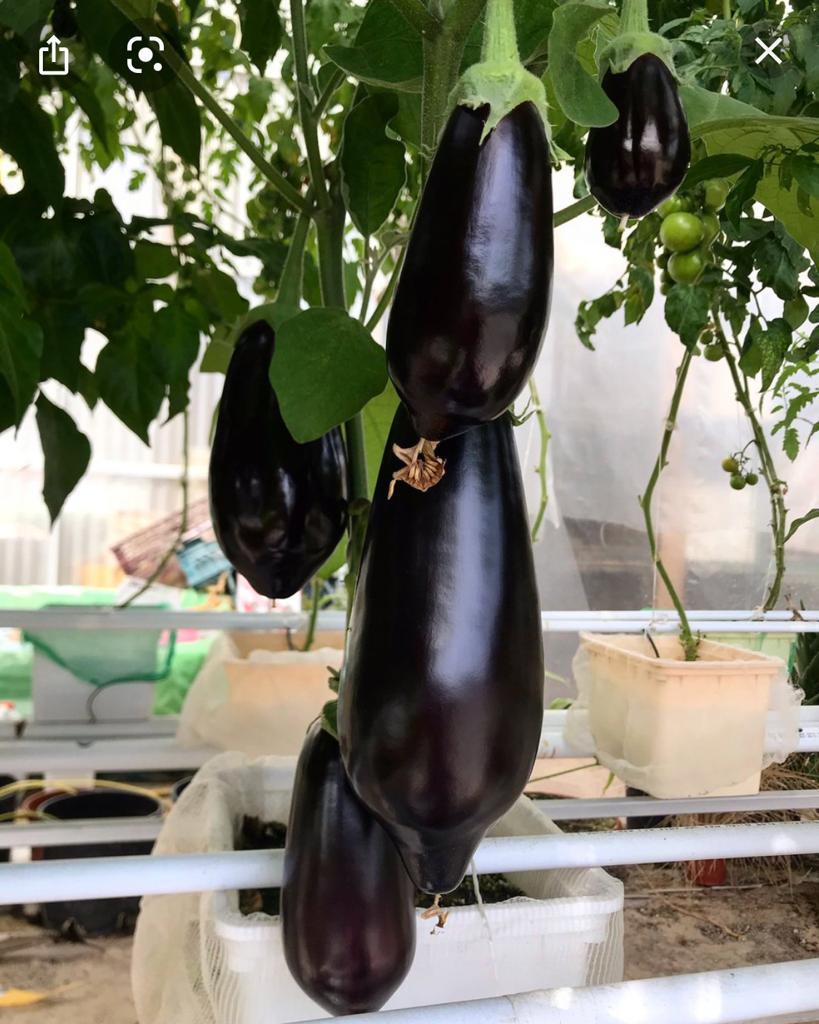
Eggplants thrive in dutch bucket systems due to the spacious root environment and efficient water circulation.
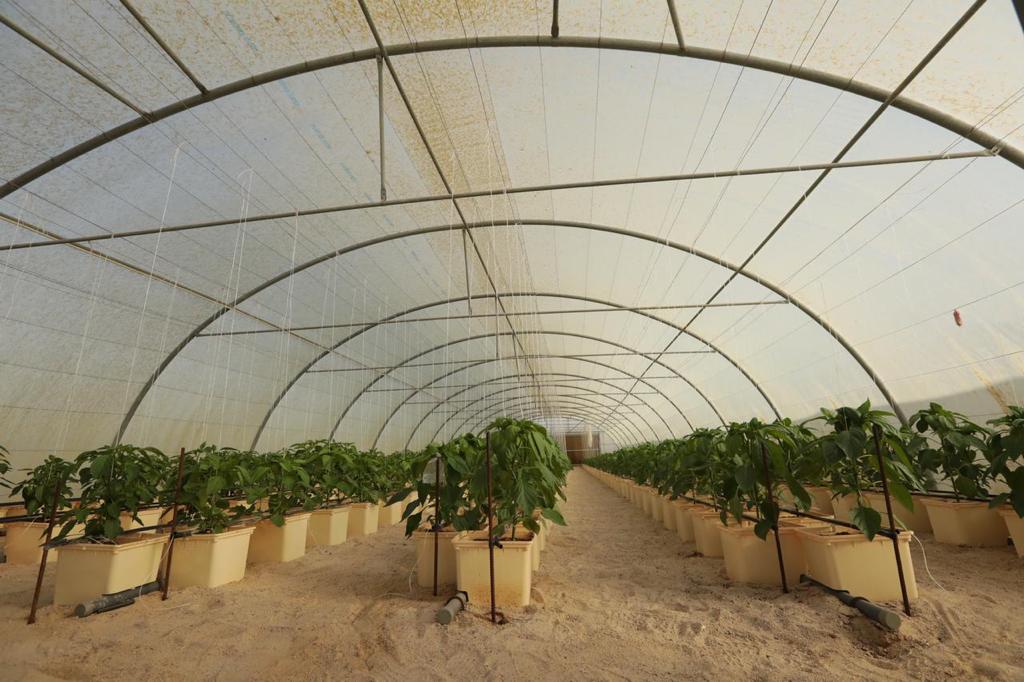
This system has also been successfully used in greenhouse farming projects, including tomato growing feedback from Qatar, where growers achieved stable production under hot climate conditions using dutch bucket hydroponics.
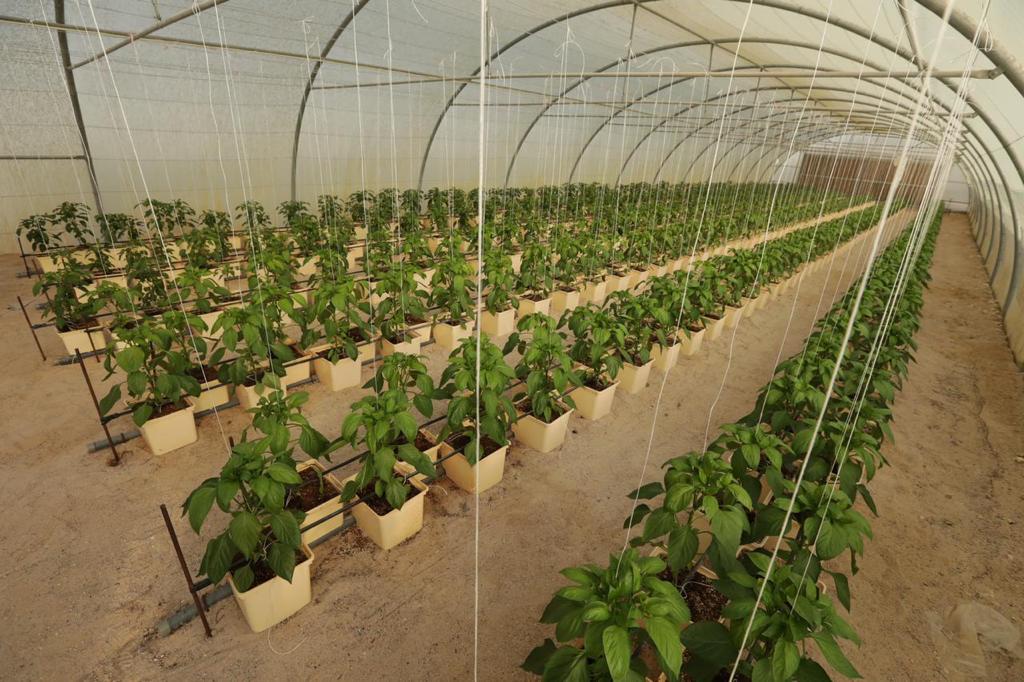
The dutch bucket hydroponics method offers several advantages compared with traditional farming:
Efficient water and fertilizer usage
Easy installation and system expansion
Improved plant health and yield
Effective disease management
Reusable and environmentally friendly equipment
Because of these benefits, the dutch bucket system has become a popular choice for both commercial greenhouse farms and individuals building a DIY dutch bucket system.
The dutch bucket system is a highly efficient bucket system hydroponics solution designed for modern agriculture. With durable PP material, anti-UV protection, water-saving functionality, and disease control advantages, our dutch bucket hydro containers provide a reliable foundation for hydroponic cultivation.
Whether you are exploring what is dutch bucket, planning a DIY dutch bucket system, or learning how to build a dutch bucket hydroponic system, this growing method offers a practical and scalable solution for producing tomatoes, cucumbers, peppers, eggplants, and many other crops in hydroponic environments.
A dutch bucket is a container used in hydroponic growing systems designed for cultivating larger plants such as tomatoes, cucumbers, peppers, and eggplants. In a dutch bucket hydroponics setup, each plant grows in its own bucket filled with growing media, while a nutrient solution is delivered through drip irrigation and excess water is drained back into a reservoir for reuse.
Many growers ask how does a dutch bucket system work when first exploring hydroponic farming. In a typical dutch bucket system, a pump sends nutrient-rich water from a reservoir to each bucket through irrigation tubing. The plants absorb the nutrients they need, and the remaining solution drains through an outlet connected to a return pipe. This recirculating bucket system hydroponics design helps conserve water and maintain stable plant nutrition.
The dutch bucket hydro method is ideal for plants that require strong root support and steady nutrient supply. Common crops grown in dutch bucket hydroponics include:
Tomatoes
Cucumbers
Peppers
Eggplants
These crops thrive in a dutch bucket system because the buckets provide adequate root space and controlled irrigation.
Yes, beginners can easily create a DIY dutch bucket system at home or in a greenhouse. The system requires basic components such as buckets, irrigation tubing, a nutrient reservoir, and a water pump. Once assembled, the dutch bucket hydroponics system can automatically supply plants with water and nutrients.
If you are learning how to build a dutch bucket hydroponic system, the general process includes:
Preparing several dutch bucket containers
Installing drip irrigation lines connected to a nutrient reservoir
Setting up drainage pipes for returning excess nutrient solution
Filling buckets with growing media such as perlite or coconut coir
Installing a pump to circulate nutrient solution
This simple structure makes the dutch bucket system scalable for both small gardens and commercial hydroponic farms.
The dutch bucket hydroponics method offers several advantages:
Efficient water and fertilizer use
Strong support for fruiting crops
Easy installation and expansion
Reusable containers
Improved disease control since individual buckets can be removed if needed
These benefits make bucket system hydroponics a popular solution for greenhouse growers.
Our dutch bucket system containers are made from 100% virgin PP (polypropylene) material, which is environmentally friendly, durable, and resistant to UV exposure. The smooth surface design prevents cracking and ensures long-term use in dutch bucket hydro growing environments.
In the dutch bucket hydroponics design, the bottom of the bucket maintains a small water level of about 10 cm. This ensures that plant roots always have access to water while preventing excessive moisture that could damage the roots. This feature improves plant health and efficiency in the dutch bucket system.

G and N is serving for more than 1,000 customers over 122 countries around the world, offering high-quality products and services to global customers.
Copyright © 2026 G AND N FORTUNE LIMITED All rights reserved.