
 English

Products
Productos principales:Canal hidroponico NFT/Cubo holandes hidroponico/Canalon de fresa/
Maceta de red de plastico/Medios de cultivo Rockwool
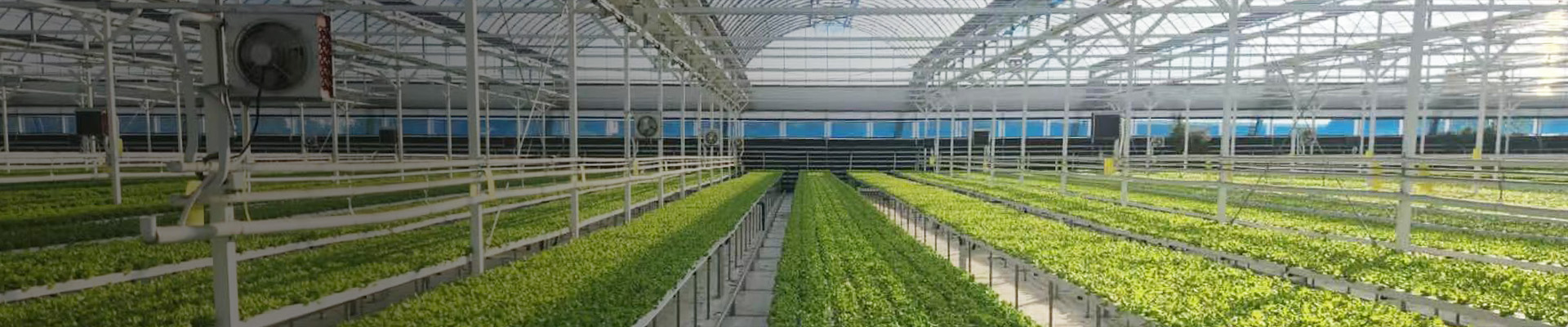
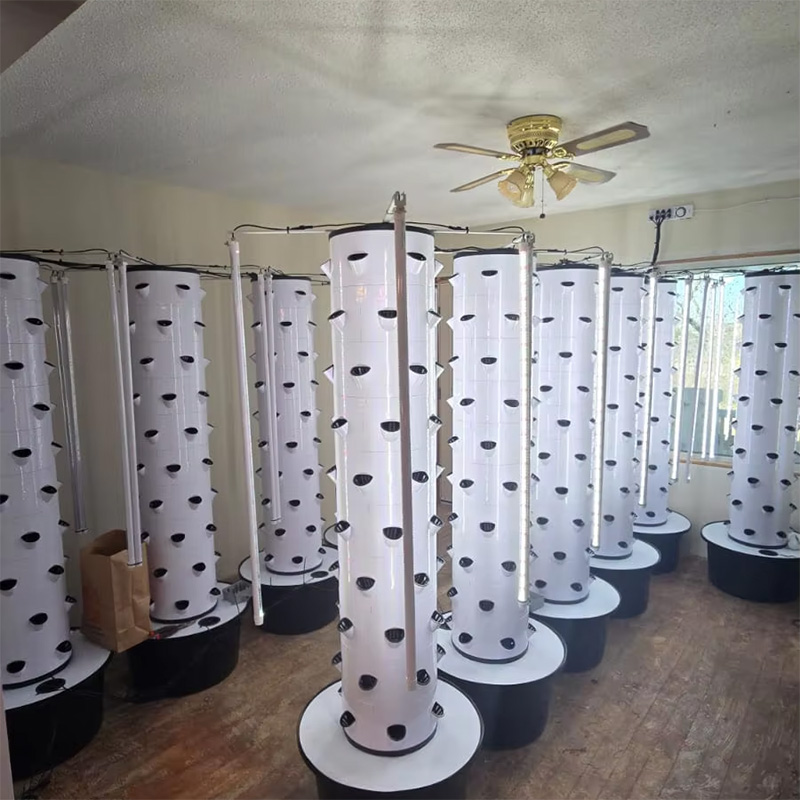


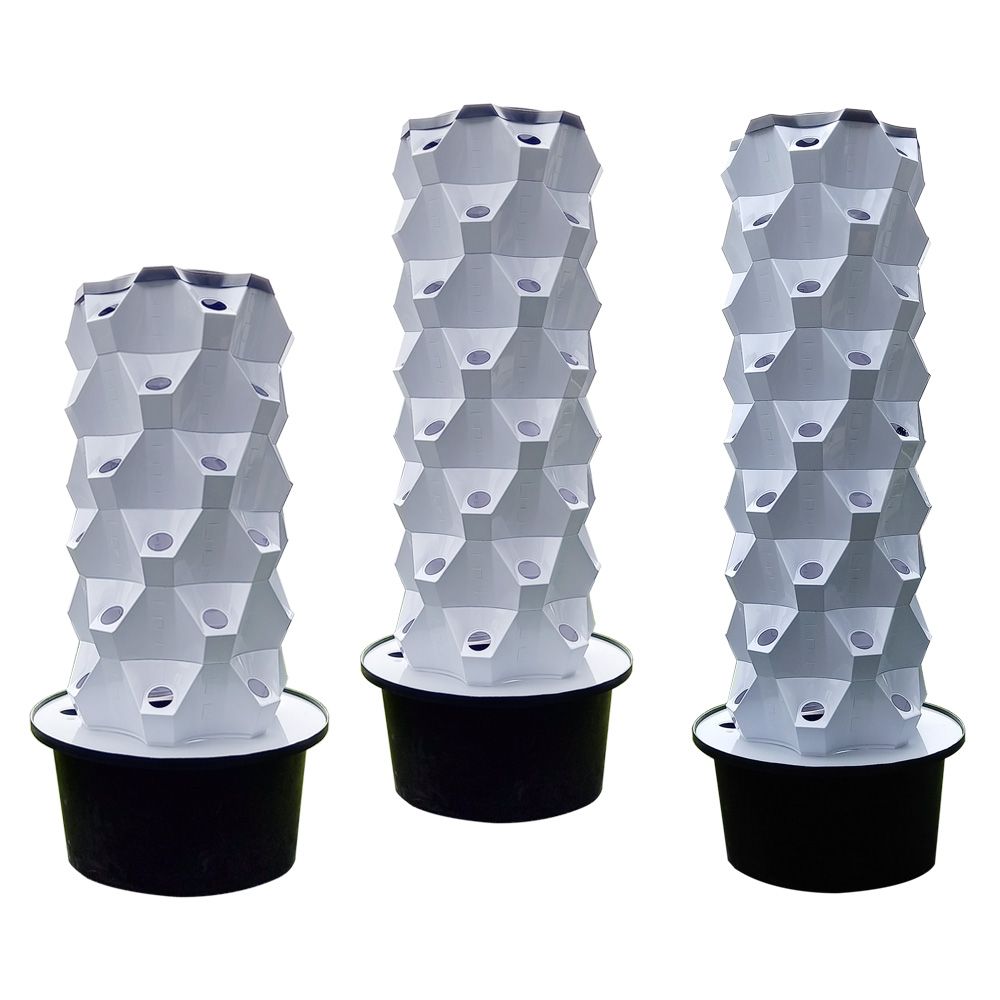
The Aeroponics Tower Garden System is a compact vertical soilless growing solution designed for cultivating vegetables, herbs, fruits, and other suitable plants in limited spaces. By arranging planting positions vertically, this Aeroponic Tower makes efficient use of growing space while providing a practical solution for indoor gardening, outdoor cultivation, urban farming, and small-scale agricultural projects.
With its upgraded tower structure and vertical growing design, the Aeroponics Tower Garden System can help growers maximize planting capacity without requiring a large horizontal growing area. Depending on the irrigation configuration, the tower can also be used as a vertical hydroponic system for convenient water and nutrient management.
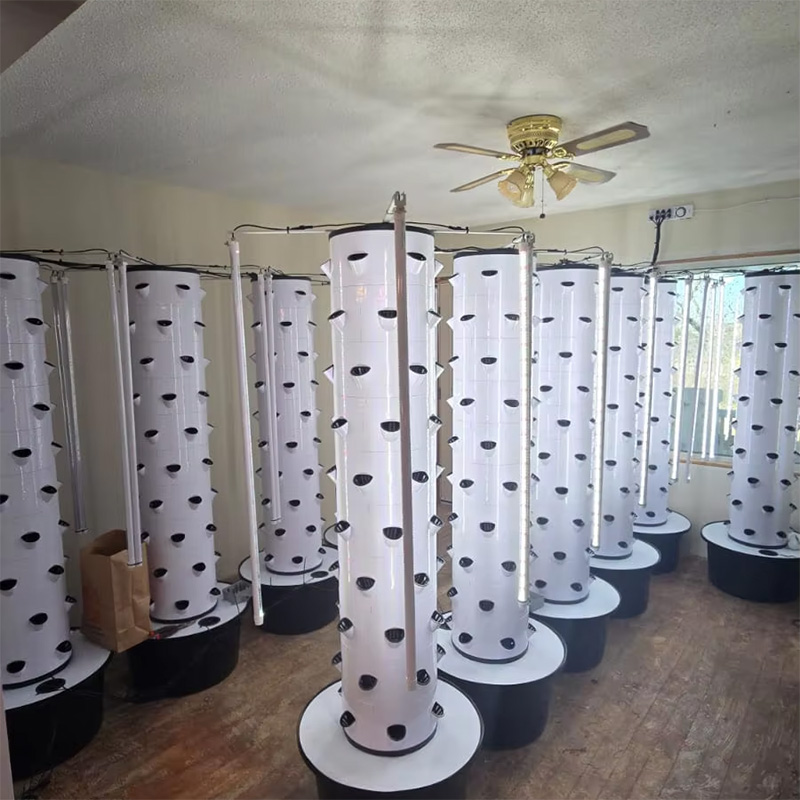
An Aeroponics Tower Garden System is a vertical growing system that uses a tower structure to cultivate plants without traditional soil.
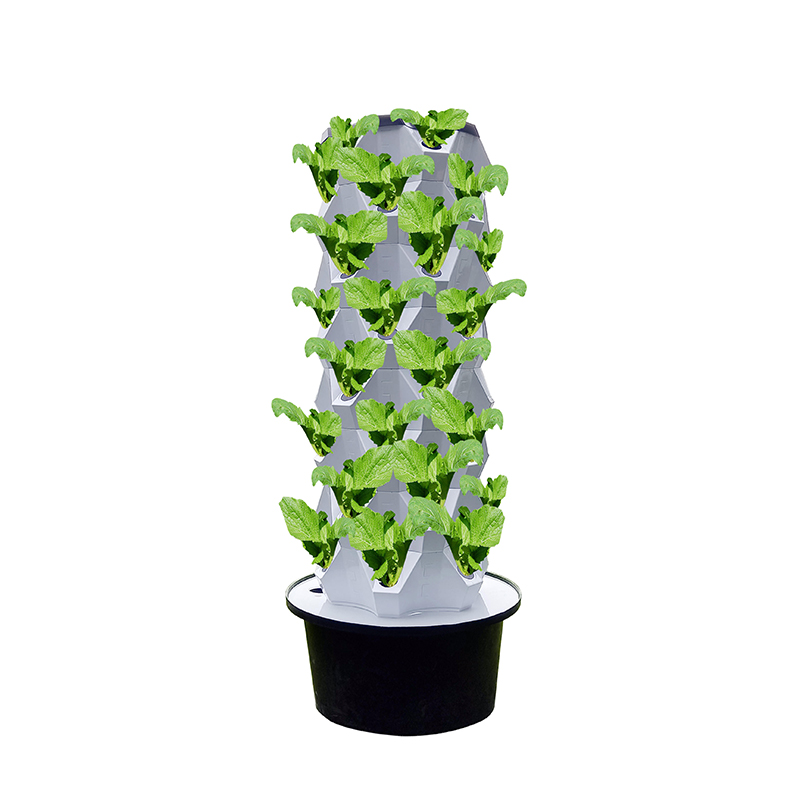
In a typical Aeroponic Growing Tower, plants are positioned in planting openings around the tower, while the roots receive water and nutrients through a controlled irrigation or misting system.
Unlike conventional soil cultivation, a Soilless Growing System supplies plants with water and essential nutrients without relying on agricultural soil.
The system can be suitable for:
Vegetables
Leafy greens
Herbs
Strawberries
Small fruits
Other suitable crops
One of the main advantages of an Aeroponics Tower is its vertical structure.
Traditional planting methods generally require plants to be distributed horizontally across a growing bed. A vertical tower instead uses height to create multiple planting positions within a relatively small footprint.
This makes the Small Vertical hydroponic system particularly suitable for:
Home gardens
Indoor gardens
Balconies
Rooftops
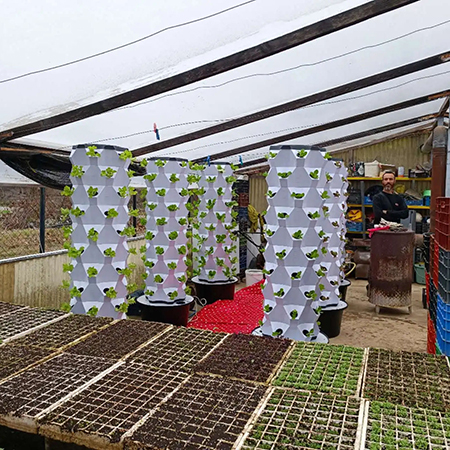
Greenhouses
Urban farms
Restaurants
Schools
Community gardens
The vertical configuration allows growers to make better use of limited floor space.
The Aeroponic Growing Tower can be used to cultivate a variety of compact crops.
Common leafy vegetables include:
Lettuce
Spinach
Kale
Pak choi
Mustard greens
Water spinach
The system can also be used for herbs such as:
Basil
Mint
Cilantro
Parsley
Chives
Some compact fruit crops, such as strawberries, can also be cultivated in a suitable Aeroponic Tower Garden System when sufficient space, lighting, root support, and environmental conditions are provided.
The actual crop selection should always be matched to the tower's planting hole size, root space, structural design, and irrigation method.
An Aeroponics Tower typically uses a water reservoir, pump, and internal irrigation system to deliver water and nutrients to the plant roots.
The general process can be described as:
Water Tank → Pump → Irrigation/Misting System → Plant Roots → Drainage/Return → Water Tank
In an aeroponic configuration, the pump delivers nutrient solution to a spraying or misting system. The nutrient solution is then distributed around the roots.
If the tower uses a conventional hydroponic circulation method instead, water and nutrients are delivered to the root zone through the designed water-flow system.
The water reservoir stores the growing solution, while the pump moves it through the system.
A controlled supply of water and nutrients helps maintain suitable growing conditions for the plants.
One characteristic of aeroponic cultivation is that roots can remain exposed to air while receiving nutrient solution through fine droplets or spray.
Good root-zone oxygen availability can support healthy root development when the system is properly designed and operated.
The upgraded design focuses on improving the practicality and space efficiency of the tower.
A well-designed Vertical Hydroponic Growing System can integrate multiple planting levels while maintaining a compact footprint.
The modular structure can also make installation and routine maintenance more convenient.
The compact tower design is suitable for locations where horizontal growing space is limited.
Multiple planting openings allow several plants to grow on the same vertical structure.
The tower can be adapted to different growing environments, including indoor and outdoor applications, depending on local conditions and system configuration.
The Aeroponics Tower Garden System can be used in both indoor and outdoor environments when appropriate growing conditions are provided.
For indoor cultivation, the system can be used in:
Homes
Apartments
Offices
Restaurants
Indoor farms
Schools
Indoor growers should provide sufficient lighting, suitable temperature, ventilation, and humidity for the selected crops.
For outdoor use, the tower can be placed in:
Backyards
Balconies
Rooftops
Gardens
Greenhouses
Small agricultural areas
Outdoor installation should take local sunlight, temperature, rainfall, and wind conditions into consideration.
The vertical structure allows growers to utilize vertical space instead of relying entirely on horizontal growing beds.
Plants can be grown without traditional soil, making the system suitable for urban and indoor environments.
A reservoir and pump can provide a centralized way to deliver water and nutrients to the plants.
The vertical arrangement provides multiple planting positions within a relatively small footprint.
The compact design makes the system suitable for different indoor and outdoor growing environments.
The Vertical Farming System concept is well suited to areas where agricultural land is limited.
An Aeroponics Tower Garden System differs from traditional soil-based cultivation in several important ways.
| Feature | Aeroponics Tower | Traditional Soil Growing |
|---|---|---|
| Growing Method | Soilless | Soil-based |
| Space Arrangement | Vertical | Mainly horizontal |
| Water Delivery | Pump and irrigation/misting | Manual or irrigation |
| Root Environment | Air + nutrient solution | Soil |
| Floor Space | Compact | Generally larger |
| Suitable Locations | Indoor, outdoor, greenhouse | Mainly outdoor/greenhouse |
The vertical aeroponic approach can be particularly useful for growers who need to maximize growing capacity in a limited area.
Although Aeroponic Tower and Vertical hydroponic tower are closely related concepts, the root-zone water delivery method can be different.
| Feature | Aeroponic Tower | Vertical Hydroponic Tower |
|---|---|---|
| Growing Method | Aeroponics | Hydroponics |
| Root Environment | Roots exposed to air | Roots receive circulating nutrient solution |
| Nutrient Delivery | Spray or mist | Water circulation |
| Soil | Not required | Not required |
| Structure | Vertical | Vertical |
| Space Efficiency | High | High |
For product marketing, the most accurate terminology should be selected according to the actual irrigation structure of the product.
A Small Vertical Hydroponic System is an effective option for home growers who want to cultivate fresh vegetables and herbs without needing a large garden.
The compact structure can fit into small growing areas while providing multiple planting positions.
For indoor home gardening, users should pay attention to:
Light availability
Water level
Nutrient concentration
Pump operation
Root condition
Temperature
Air circulation
Regular monitoring helps maintain stable growing conditions.
The Aeroponics Tower Garden System can also be used as part of a small-scale Vertical Farming System.
Urban farms often face limited land availability. Vertical towers can help increase the number of planting positions without proportionally increasing the floor area.
Multiple towers can be arranged in:
Indoor farms
Greenhouses
Rooftop farms
Restaurants
Community gardens
Urban agriculture projects
This makes vertical aeroponic and hydroponic cultivation an option for modern urban growing applications.
For commercial and OEM projects, a Custom Aeroponics Tower System can be designed according to specific growing requirements.
Possible customization may include:
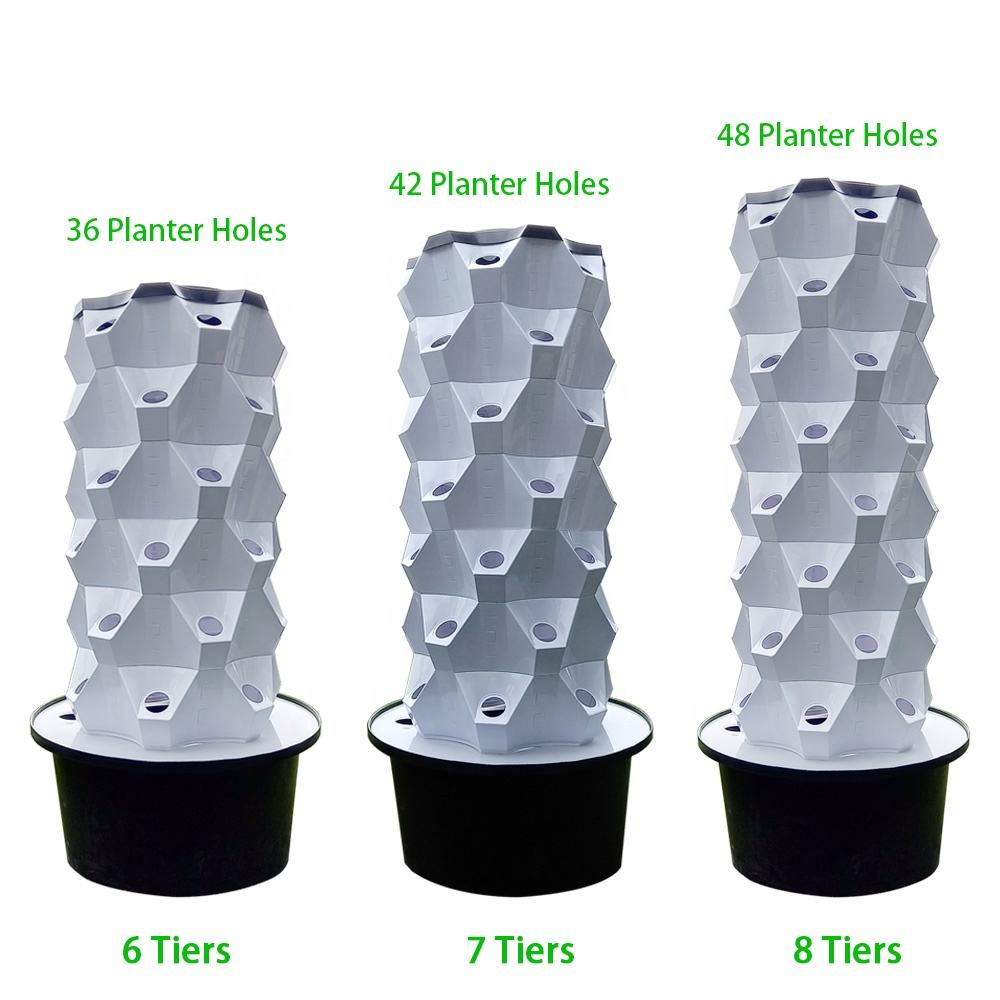
Tower height
Tower diameter
Number of planting holes
Planting hole size
Water tank configuration
Pump specifications
Irrigation method
Tower structure
Packaging
Product appearance
Custom design allows manufacturers and growers to adapt the Aeroponics Tower to different crops, growing environments, and project requirements.
The Aeroponics Tower Garden System combines vertical cultivation with soilless growing technology to provide a compact and flexible solution for modern agriculture.
Its main advantages include:
Space-saving vertical structure
Multiple planting positions
Soilless cultivation
Efficient use of growing space
Indoor and outdoor applications
Suitable for vegetables and herbs
Suitable for selected fruit crops
Flexible system configuration
Potential for customized designs
For home gardening, urban farming, greenhouse cultivation, and small-scale agricultural projects, the Aeroponic Growing Tower offers a practical way to grow plants where traditional soil-based cultivation may be difficult.
An Aeroponics Tower Garden System is a vertical soilless growing system that uses a tower structure to cultivate plants. In an aeroponic configuration, nutrient solution is delivered to exposed roots through spray or mist.
Leafy vegetables, herbs, strawberries, and other suitable compact crops can be grown in an Aeroponic Tower. Crop suitability depends on the tower design, planting space, lighting, and root requirements.
Not exactly. Both are vertical soilless growing systems, but aeroponics generally uses spray or mist to deliver nutrient solution to exposed roots, while hydroponic towers may use other water-based circulation methods.
Yes. An Aeroponic Growing Tower can be used indoors when sufficient light, suitable temperature, ventilation, water, and nutrients are provided.
Yes. It can be used outdoors in suitable environments such as gardens, balconies, rooftops, and greenhouses. Local weather conditions should be considered when selecting an installation location.
Most active aeroponic systems require a pump to move nutrient solution from the reservoir to the spraying or misting system.
No. Aeroponics is a soilless growing method, so traditional agricultural soil is not required.
Yes. A Small Vertical Hydroponic System is particularly suitable for compact leafy vegetables and herbs, provided the tower provides appropriate planting space and nutrient delivery.
Yes. A Custom Aeroponics Tower System can potentially be customized in terms of tower dimensions, planting holes, water tank configuration, pump, irrigation system, and other specifications according to project requirements.

G and N is serving for more than 1,000 customers over 122 countries around the world, offering high-quality products and services to global customers.
Copyright © 2026 G AND N FORTUNE LIMITED All rights reserved.