
 English


Products
Productos principales:Canal hidroponico NFT/Cubo holandes hidroponico/Canalon de fresa/
Maceta de red de plastico/Medios de cultivo Rockwool
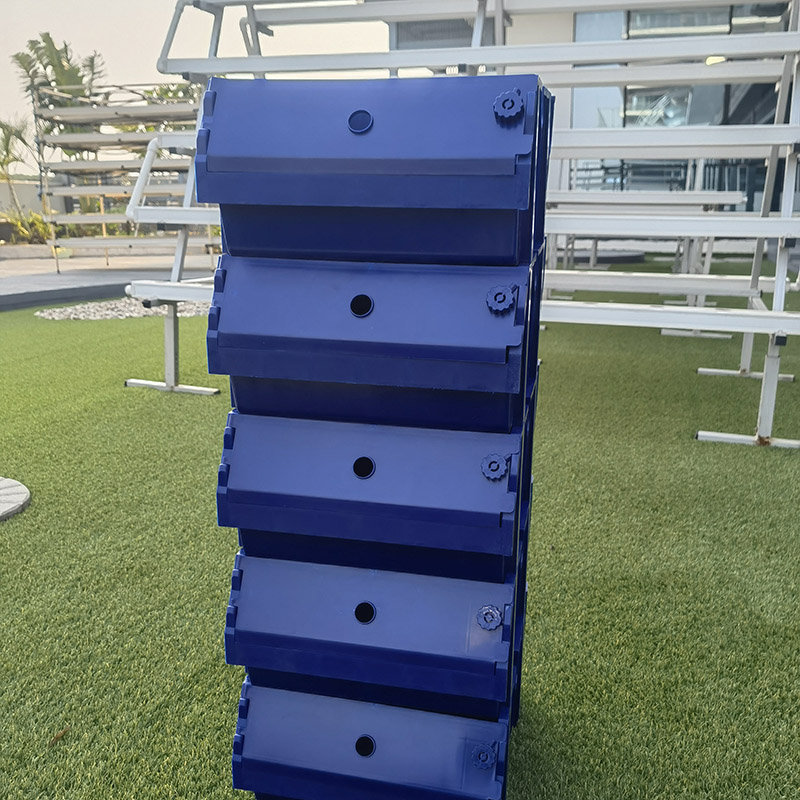


Aquaculture crab farming is a modern method of raising crabs under controlled conditions to improve survival rates, production efficiency, and farming stability. Compared with traditional pond-based crab farming, advanced aquaculture systems use specialized equipment such as Crab Farming Boxes, Crab Rearing Tanks, and recirculating aquaculture systems (RAS) to create a cleaner and more controllable growing environment.
With increasing demand for high-quality seafood, crab aquaculture has become an important part of sustainable farming. Technologies such as indoor mud crab farming and mud crab box farming help farmers reduce risks caused by climate changes, disease outbreaks, and crab cannibalism while maximizing production in limited spaces.
Aquaculture crab farming refers to the artificial breeding and cultivation of crabs in a controlled aquatic environment. Instead of relying only on natural seawater areas or traditional ponds, farmers use modern farming equipment to manage:
Water quality
Feeding conditions
Stocking density
Growth environment
Disease prevention
A complete aquaculture crab farming system may include:
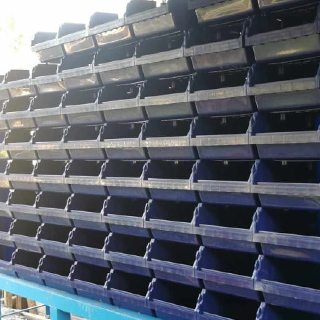
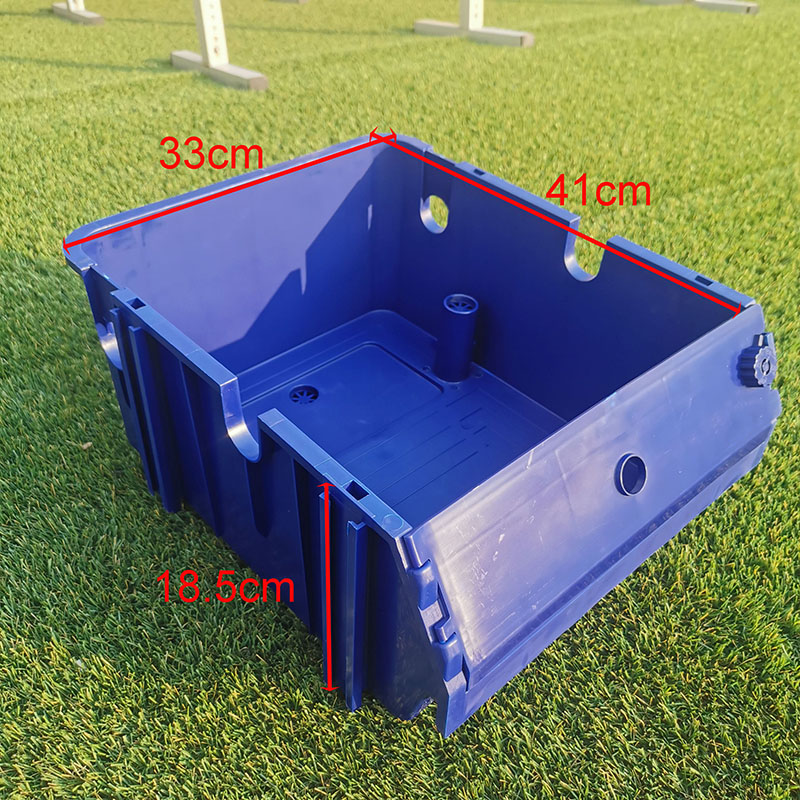
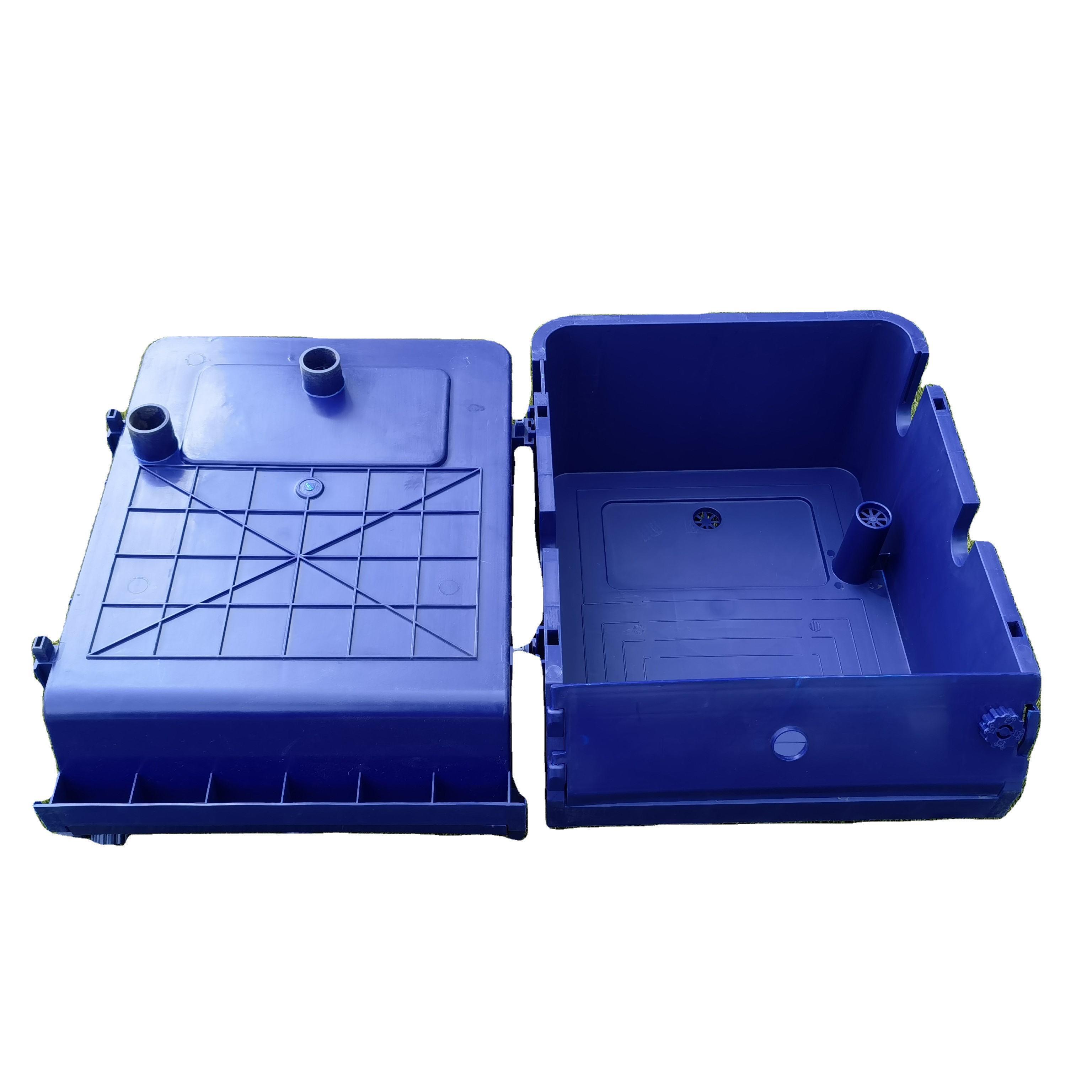
Crab Farming Boxes
Crab Rearing Tanks
Water circulation system
Biological filtration system
UV sterilization equipment
Water pumps
Temperature control system
This allows farmers to achieve stable crab production throughout the year.
Modern crab aquaculture mainly focuses on creating a safe and efficient environment for crab growth.
Traditional crab farming often raises many crabs together, which can lead to:
Fighting
Injuries
Cannibalism
Lower survival rates
Using a Mud Crab Farming Box allows each crab to grow separately, especially during molting periods when crabs are more vulnerable.
Benefits include:
Reduced mortality
Better growth control
Easier feeding management
Higher-quality crab production
Many commercial aquaculture crab farming projects use RAS technology.
The water treatment process includes:
Water flows from crab boxes to filtration equipment.
Waste particles are removed.
Harmful microorganisms are controlled through sterilization.
Clean water returns to the farming system.
This continuous water recycling helps maintain stable conditions for crab growth.
A controlled farming environment helps reduce losses caused by:
Crab fighting
Disease
Environmental changes
Poor water quality
Individual breeding systems such as crab farming boxes provide safer growing conditions.
Compared with traditional pond farming, modern crab aquaculture requires less land.
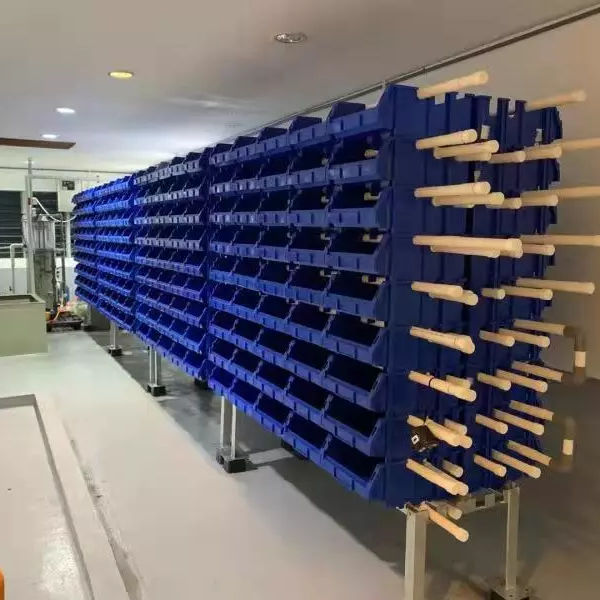
Vertical and modular farming systems allow farmers to increase production capacity by using:
Multi-layer crab boxes
Indoor farming facilities
Compact aquaculture equipment
This makes it suitable for inland areas and locations with limited farming space.
Water quality directly affects crab growth.
Advanced aquaculture crab farming systems provide better control over:
Oxygen levels
Temperature
Salinity
Waste removal
Stable water conditions help improve crab health and growth performance.
Indoor mud crab farming allows farmers to avoid many outdoor risks, including:
Extreme weather
Seasonal changes
Water pollution
Natural disasters
By using controlled environments, farmers can achieve year-round production.
Soft shell crab farming is an important application of mud crab aquaculture.
A separate indoor crab fattening box provides an ideal environment for:
Crab molting management
Individual monitoring
Short-cycle production
Soft shell crabs usually have higher market value compared with regular crabs.
Mud crab farming is one of the most common applications of modern crab aquaculture.
The system is suitable for:
Mud crab culture
Mud crab fattening
Soft shell crab production
Commercial farmers use advanced crab farming systems to achieve:
Higher stocking density
Reduced labor requirements
More stable production
Indoor systems are suitable for:
Inland crab farming
Research facilities
Seafood production farms
Aquaculture demonstration projects
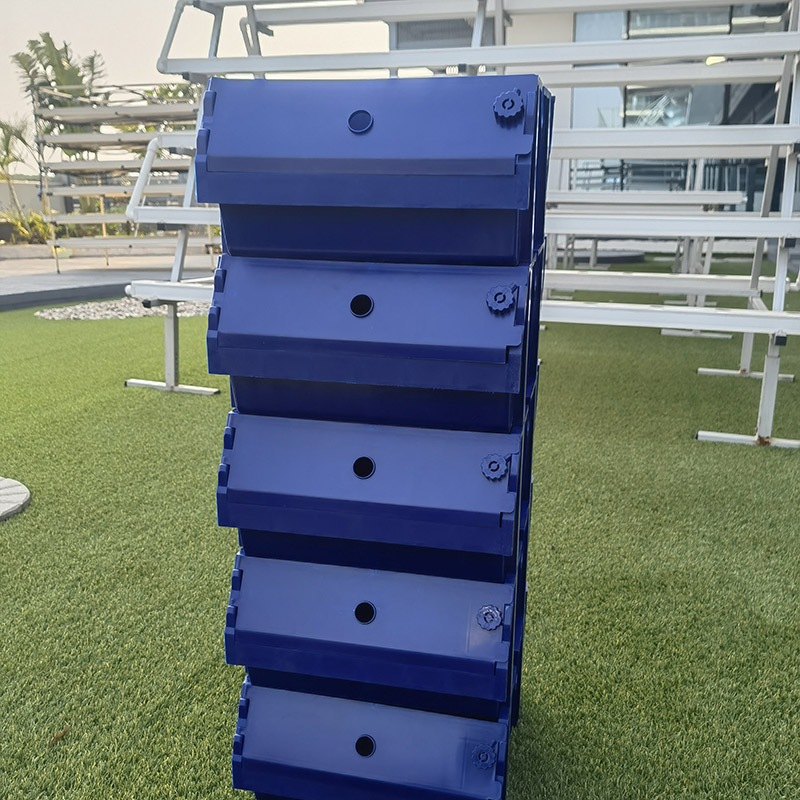
A Crab Farming Box provides an individual growing space for crabs.
Features:
Prevents crab fighting
Easy feeding
Easy observation
Suitable for intensive farming
The Mud Crab Farming Box is specially designed for mud crab cultivation.
It helps farmers improve:
Survival rate
Growth management
Production efficiency
A Crab Rearing Tank is used for controlled crab breeding and fattening.
It works together with filtration and water circulation systems to maintain a healthy environment.
Compared with traditional methods, modern aquaculture crab farming provides:
Higher survival rates
Better disease control
Lower water consumption
Less land requirement
Easier management
Year-round production
Higher economic returns
By combining mud crab farming boxes, RAS technology, and controlled breeding methods, farmers can build a more efficient and sustainable crab production system.
Aquaculture crab farming is the controlled breeding and cultivation of crabs using artificial farming systems instead of relying only on natural environments.
Common equipment includes crab farming boxes, crab rearing tanks, water filtration systems, pumps, and RAS equipment.
Indoor mud crab farming can improve survival rates and production efficiency, making it a promising option for commercial crab production.
Crab farming boxes separate individual crabs, reducing fighting and cannibalism while improving farming management.
Mud crabs and soft shell crabs are commonly raised in modern aquaculture crab farming systems.

G and N is serving for more than 1,000 customers over 122 countries around the world, offering high-quality products and services to global customers.
Copyright © 2026 G AND N FORTUNE LIMITED All rights reserved.