

 English

News
Focus on G AND N FORTUNE LIMITED - Get to know the new information of the industry quickly!

2026-09-03 09:12:41
A Dutch Bucket is a type of hydroponic growing container designed primarily for growing large, fruiting plants such as tomatoes, cucumbers, peppers, and eggplants. Also known as a Bato bucket, it is commonly used in commercial greenhouses and hydroponic farms because it provides sufficient space for plant roots and works well with drip irrigation and recirculating nutrient systems.
Unlike NFT systems, where plant roots grow inside a narrow channel and nutrient solution flows continuously along the bottom, a Dutch bucket hydroponic system usually uses a growing medium such as coco coir, Perlite, or clay pebbles. Nutrient solution is delivered to each plant through drip irrigation, while excess solution drains from the bucket and can be collected or recirculated.
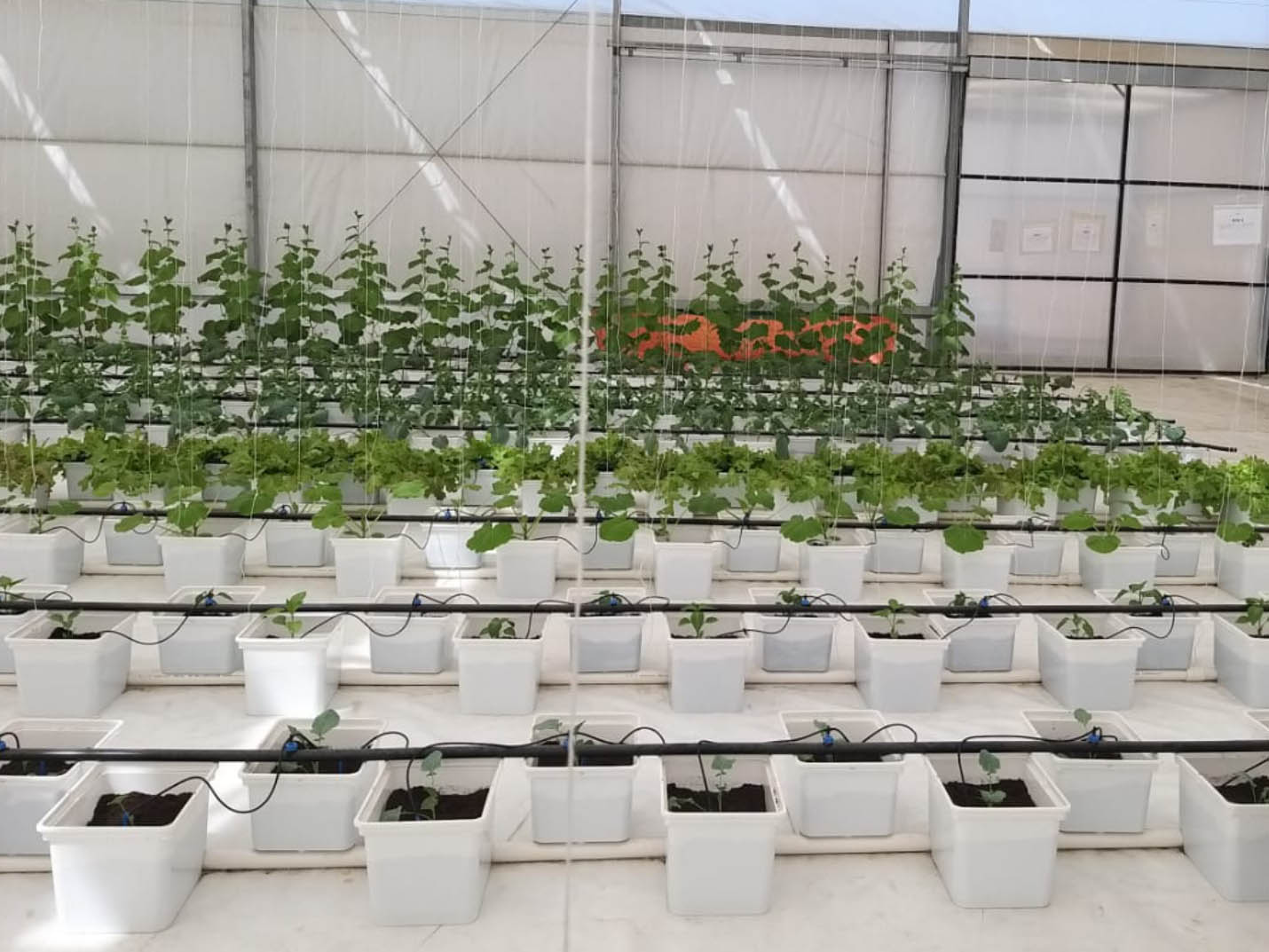
A Dutch bucket is mainly used for hydroponic fruit and vegetable production. Its relatively large growing volume makes it suitable for plants that develop extensive root systems or become heavy as they mature.
Common crops grown in a Dutch bucket hydroponics system include:
Tomatoes
Cucumbers
Peppers
Eggplants
Melons
Zucchini
Other large fruiting vegetables
The bucket can provide physical support for the plant and growing media while allowing growers to control irrigation and nutrient delivery.
A typical Dutch bucket system uses several buckets connected to a central irrigation and drainage system.
Water and hydroponic nutrients are mixed in a reservoir. The nutrient solution is prepared according to the requirements of the crop.
A water pump transports the nutrient solution from the reservoir to the irrigation line. Drip emitters then deliver water and nutrients directly to each Dutch bucket.
This allows growers to control the frequency and amount of irrigation more precisely.
Instead of growing directly in soil, plants are placed in a suitable growing medium inside the bucket.
Common options include:
Coco coir
Cocopeat
Perlite
Clay pebbles
Mixed growing media
The growing medium supports the plant while allowing water, nutrients, and oxygen to reach the root zone.
A Dutch bucket hydroponic system normally includes a drainage outlet. Excess water and nutrient solution can flow from the bucket into a drainage pipe.
In a recirculating system, the drainage solution is returned to the reservoir and pumped through the system again.
The basic process is:
Nutrient Reservoir → Water Pump → Drip Irrigation → Dutch Bucket → Drainage → Reservoir
Bato bucket is another common name for a Dutch bucket used in commercial hydroponics.
The terms Dutch bucket and Bato bucket are often used interchangeably when referring to this type of growing container.
A Bato bucket typically features a growing container with an integrated drainage system. Multiple buckets can be connected to common irrigation and drainage lines to create a complete Bato bucket hydroponic system.
This modular structure makes it possible to expand a growing system by adding more buckets.
One of the biggest advantages of Dutch bucket hydroponics is that each plant has its own growing container.
Compared with narrow NFT Channels, a Dutch bucket provides more space for root development and can better accommodate large plants.
Dutch buckets are particularly compatible with drip irrigation systems.
Each plant can receive nutrient solution through an individual drip emitter. Growers can adjust irrigation according to crop requirements and growing conditions.
The bucket's drainage structure helps remove excess nutrient solution from the growing media.
Proper drainage is important for maintaining a suitable balance between moisture and oxygen around the roots.
A Dutch bucket hydroponic system can be designed as a recirculating system.
Instead of continuously discarding excess nutrient solution, drainage can be collected and returned to the nutrient reservoir. This can improve water and nutrient utilization when the system is properly managed.
Dutch buckets can be installed in rows and connected to common irrigation and drainage lines.
For commercial growers, this makes it relatively easy to expand the production area by adding more buckets.
Tomatoes are one of the most popular crops for a Dutch bucket system.
The bucket provides adequate root space and can support large tomato plants when combined with suitable trellising.
Cucumbers can also grow well in Dutch buckets. Because mature cucumber plants can become large and productive, adequate root space and structural support are important.
Peppers are another suitable crop for Dutch bucket hydroponics. Their relatively large root systems can benefit from individual containers and controlled nutrient delivery.
Eggplants can also be cultivated in Dutch buckets, especially in commercial greenhouse environments where irrigation and environmental conditions can be controlled.
Dutch bucket and NFT are both popular hydroponic growing methods, but they are designed for different applications.
| Feature | Dutch Bucket | NFT System |
|---|---|---|
| Growing Container | Individual bucket | Growing channel |
| Growing Medium | Usually used | Usually limited |
| Irrigation | Drip irrigation | Thin nutrient film |
| Best Crops | Large fruiting plants | Leafy vegetables |
| Root Space | Relatively large | Channel-based |
| Drainage | Individual bucket drainage | Channel drainage |
| Typical Applications | Tomato, cucumber, pepper | Lettuce, spinach, herbs |
For large fruiting crops, a Dutch bucket hydroponic system can be more suitable because each plant has a dedicated growing container and a larger root zone.
For compact leafy vegetables, an NFT hydroponic system is often a more practical choice.
A basic Dutch bucket system requires several key components.
The buckets serve as individual growing containers for the plants and growing media.
A suitable growing medium such as coco coir, perlite, or clay pebbles is placed inside the buckets.
The reservoir stores the water and nutrient solution used by the plants.
The pump delivers nutrient solution from the reservoir to the irrigation system.
Drip lines and emitters deliver nutrient solution to individual plants.
Drainage pipes collect excess nutrient solution from the buckets. In a recirculating system, the solution can be returned to the reservoir.
Large crops such as tomatoes and cucumbers may require trellis systems, strings, or other support structures as the plants grow.
A commercial Dutch bucket hydroponic system can be installed in greenhouses for large-scale fruit and vegetable production.
Multiple buckets can be arranged in rows according to the greenhouse layout. Centralized irrigation and drainage systems can then supply and collect nutrient solution from multiple growing containers.
This configuration offers several benefits for commercial growers:
Efficient use of growing space
Individual plant growing containers
Controlled irrigation
Convenient drainage
Easy system expansion
Suitable for large fruiting crops
Compatible with greenhouse automation
For larger projects, the Dutch bucket system can also be integrated with greenhouse ventilation, cooling, heating, fertigation, and environmental monitoring equipment.
Different Dutch buckets are available in different sizes, materials, and configurations.
For example, an 11-liter Dutch Bato Bucket can be made from food-grade PP with UV resistance and equipped with drainage fittings. A suitable bucket size depends on the crop, growing medium, plant size, and cultivation method.
When selecting a hydroponic Dutch bucket, growers should consider:
Bucket volume
Material
UV resistance
Drainage design
Irrigation compatibility
Growing medium
Crop type
Greenhouse environment
System layout
For commercial projects, the bucket and fittings should also be selected according to the required irrigation and drainage pipe sizes.
A Dutch bucket hydroponic system provides a practical solution for growing large fruiting crops in a controlled environment.
Its individual-container design gives plants dedicated root space, while drip irrigation allows growers to deliver water and nutrients directly to the growing media.
With proper drainage, nutrient management, and environmental control, Dutch buckets can be used to build scalable hydroponic systems for both small growers and commercial greenhouse farms.
A Dutch bucket is a hydroponic growing container designed primarily for large fruiting plants. It usually contains a growing medium and works with drip irrigation and a drainage system.
Yes. Bato bucket is a commonly used name for this type of Dutch hydroponic growing container, and the two terms are often used interchangeably.
Tomatoes, cucumbers, peppers, eggplants, melons, and other large fruiting vegetables are commonly suitable for Dutch bucket hydroponics.
No. Dutch buckets are designed for soilless cultivation. Common growing media include cocopeat, coco coir, perlite, clay pebbles, and rockwool.
Drip irrigation is the most common irrigation method for Dutch bucket systems because it allows nutrient solution to be delivered directly to individual plants.
Yes. Dutch bucket systems are widely suited to greenhouse hydroponic cultivation, particularly for commercial production of fruiting vegetables.
Yes. A properly designed system can collect drainage water and return it to the nutrient reservoir for recirculation.
Dutch bucket systems use individual containers and usually drip irrigation, making them well suited to large fruiting plants. NFT systems use channels where a thin film of nutrient solution flows continuously and are commonly used for leafy vegetables.

G and N is serving for more than 1,000 customers over 122 countries around the world, offering high-quality products and services to global customers.
Copyright © 2026 G AND N FORTUNE LIMITED All rights reserved.


