

 English

News
Focus on G AND N FORTUNE LIMITED - Get to know the new information of the industry quickly!

2026-01-14 17:50:41
A Hydroponic Grow tower is an efficient vertical hydroponic system that maximizes growing space while supporting healthy plant growth. It is perfect for indoor hydroponic gardens, commercial hydroponics growing systems, and urban farming setups. By using a Grow Media-based or soilless system, a hydroponic grow tower allows hydroponic plants to receive water, nutrients, and oxygen directly to the roots, ensuring faster growth and higher yields.
This guide will walk you through the materials, setup steps, and tips to build a successful indoor hydroponic system.
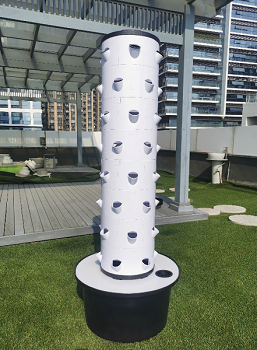
To build a hydroponic grow tower, you will need the following components:
Vertical Tower structure: PVC pipes, modular planter towers, or stackable trays.
Water pump: To circulate the nutrient solution from the reservoir to the top of the tower.
Reservoir tank: Holds the nutrient solution for the hydroponic system.
Tubing and connectors: For nutrient delivery throughout the tower.
Grow media: Options include Hydroponic Sponge, Perlite, Rockwool, clay balls, or other inert media to support hydroponic plants.
Net pots or planting cells: Hold the plants securely in each layer of the tower.
Nutrient solution: Balanced mix of essential minerals for plant growth.
Optional: pH meter, water timer, LED grow lights for indoor hydroponic systems.
Choose a suitable hydroponic grow tower design: PVC pipe with holes, modular vertical planters, or stackable trays.
Ensure the tower is stable and has access to both water and electricity for the pump.
Insert net pots or planting cells into the openings of the tower.
Fill each pot with your chosen grow media such as Hydroponic Sponge, Perlite, or clay balls.
The grow media supports the plants, maintains moisture, and allows roots to access nutrients efficiently.
Place the nutrient solution reservoir at the base of the tower.
Connect the water pump to the tubing system that runs to the top of the tower.
Ensure a slow, consistent flow of nutrient solution to allow it to trickle down and feed all plants in the tower.
Insert seeds or seedlings into each net pot filled with grow media.
Depending on the crop, plant 1–3 seeds per pot for optimal growth.
Hydroponic plants suitable for grow towers include lettuce, spinach, kale, basil, microgreens, strawberries, and herbs.
Turn on the pump to circulate nutrient solution from the reservoir to the top of the tower.
Adjust the flow to ensure all layers receive sufficient moisture.
Monitor the pH and nutrient concentration regularly for optimal plant health.
For indoor hydroponic systems, install LED grow lights to supplement natural light.
Ensure proper airflow and temperature control for healthier hydroponic plants.
Space Efficiency: Grow vertically to maximize space in small apartments, offices, or greenhouses.
Higher Yields: Nutrients are delivered directly to roots, improving plant growth.
Water Efficiency: Uses up to 90% less water than traditional soil-based cultivation.
Versatility: Suitable for leafy greens, herbs, microgreens, and fruiting crops like strawberries.
Cleaner System: Minimal mess compared to soil gardening, especially when using grow media like Hydroponic Sponge or clay balls.
Scalability: Can be adapted for home use or large-scale commercial hydroponics growing systems.
Choose the Right Grow Media: Perlite, Hydroponic Sponge, Rockwool, or clay balls all work well. Consider plant type and water retention needs.
Monitor pH and Nutrients: Keep pH between 5.5–6.5 for most hydroponic plants. Adjust nutrient solution as plants grow.
Prevent Clogging: Ensure tubing and pump are clear to maintain consistent nutrient circulation.
Start Small: If new to hydroponics, start with a mini indoor hydroponic system before scaling up.
Vertical Spacing: Ensure each plant receives enough light and airflow to prevent overcrowding.
Building a hydroponic grow tower is an efficient and sustainable way to grow hydroponic plants in limited spaces. By carefully choosing grow media, monitoring nutrients, and optimizing vertical space, you can create a highly productive hydroponic planting system suitable for both home indoor hydroponic systems and commercial hydroponics farms.
A well-designed hydroponic grow tower allows for faster growth, higher yields, and cleaner cultivation—perfect for leafy greens, herbs, microgreens, and strawberries for hydroponics.

G and N is serving for more than 1,000 customers over 122 countries around the world, offering high-quality products and services to global customers.
Copyright © 2026 G AND N FORTUNE LIMITED All rights reserved.


