

 English

News
Focus on G AND N FORTUNE LIMITED - Get to know the new information of the industry quickly!

2026-07-01 15:48:25
As global agriculture faces increasing pressure from water scarcity and climate change, many growers are turning to soilless cultivation methods. One of the most common questions from farmers and investors is: how much water does a hydroponic system use?
The answer is not a fixed number, but one clear fact stands out: hydroponic systems use significantly less water than traditional soil farming, often reducing water consumption by 70%–90% depending on the system design.
G AND N FORTUNE LIMITED specializes in designing efficient hydroponic systems, including NFT hydroponic systems, vertical farming solutions, and greenhouse irrigation systems that maximize water efficiency and crop productivity.
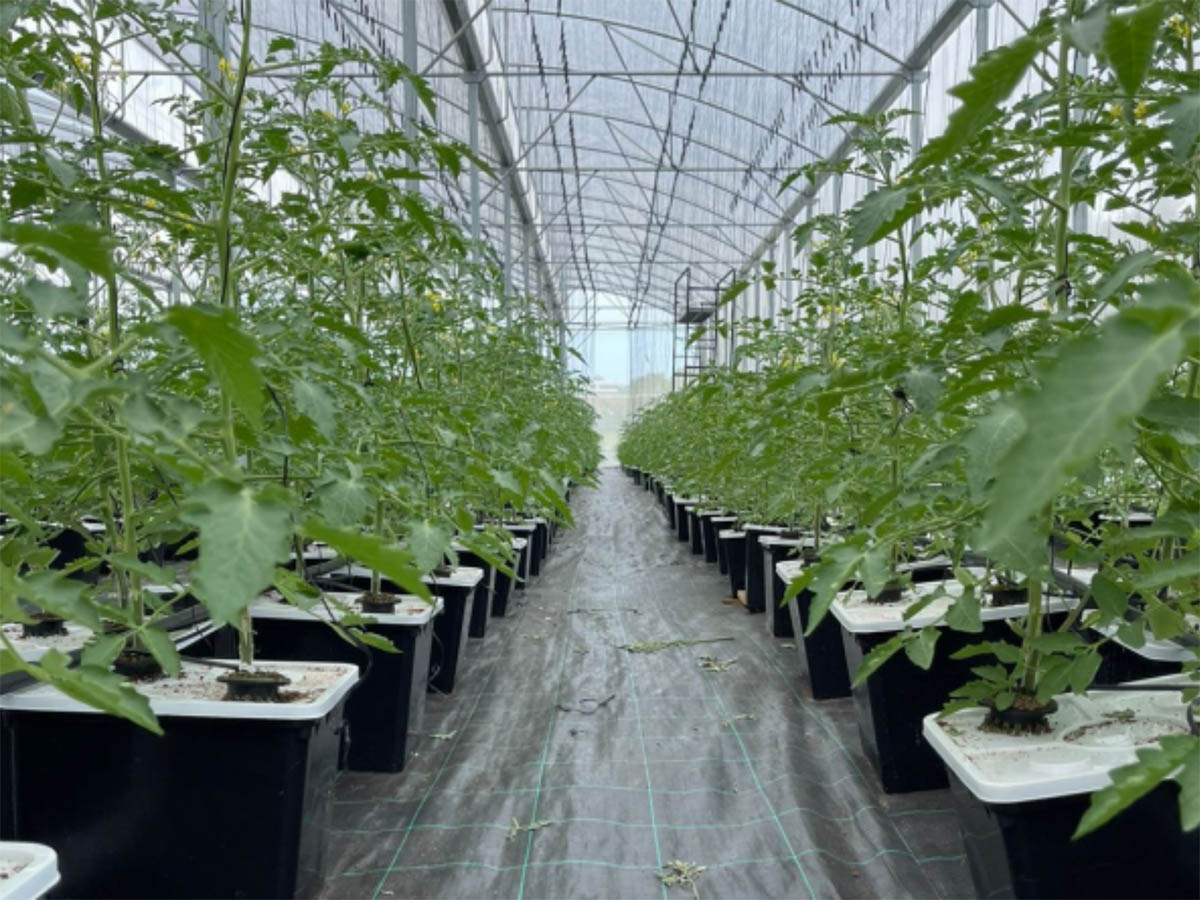
Unlike traditional agriculture, where water is lost through soil absorption, evaporation, and runoff, hydroponics uses a closed-loop water circulation system.
In a typical hydroponic system, water is:
Delivered directly to plant roots
Recirculated through a system
Reused multiple times
Only minimally lost through plant uptake and evaporation
This is why hydroponics water usage is significantly lower than soil-based farming.
Different systems have different efficiency levels:
In an NFT hydroponic system, a thin film of nutrient solution flows continuously through growing channels.
Key features:
Continuous recirculation of water
Minimal water waste
High efficiency for leafy greens
NFT hydroponic water consumption is among the lowest in all hydroponic methods.
In DWC Systems, plant roots are suspended in oxygenated nutrient solution.
Water is stored in tanks
Long-term reuse of solution
Stable water volume
A vertical hydroponic system increases production per square meter while using the same recirculating water loop.
Higher yield per water unit
Ideal for urban farming
Extremely water-efficient
Although exact usage depends on crop type, climate, and system design, typical comparisons are:
Traditional soil farming: 100% baseline water usage
Hydroponic systems: 10%–30% of traditional water use
This means hydroponics can save up to 90% of water in many cases.
For example:
Lettuce grown in hydroponics may use only a fraction of the water required in soil cultivation
Closed-loop systems dramatically reduce irrigation waste
Greenhouse hydroponic systems further reduce evaporation loss
Several factors influence hydroponic water usage:
NFT systems: very low water use
DWC systems: stable water retention
Aeroponics: ultra-low water use but higher complexity
Leafy greens use less water than fruiting crops.
Hot and dry environments increase evaporation rates.
Closed greenhouses reduce water loss and improve efficiency.
Automated systems improve precision and reduce waste.
Hydroponics is ideal for regions with limited freshwater resources.
Reduced water consumption directly lowers farming costs.
Efficient water use supports environmentally friendly farming practices.
More crops can be produced per liter of water compared to traditional farming.
Among all hydroponic technologies, NFT hydroponic systems are especially known for their water efficiency.
In a well-designed NFT hydroponic system, water flows in a thin film through channels, ensuring:
Continuous nutrient delivery
Minimal water waste
Fast root oxygenation
Stable circulation loop
This makes NFT one of the most widely used solutions in commercial greenhouse production.
Modern hydroponic systems are widely used in:
Commercial greenhouses
Vertical farming facilities
Indoor farming systems
Urban agriculture projects
Research and education farms
Smart agriculture installations
All these applications benefit from reduced hydroponics water consumption and higher production efficiency.
Founded in 2005, G AND N FORTUNE LIMITED is headquartered in Hong Kong and relocated to mainland China in 2010.
We specialize in customized hydroponic solutions for global agriculture, including:
NFT hydroponic systems
Vertical hydroponic systems
Greenhouse irrigation systems
Strawberry Gutter systems
Hydroponic growing channels
Smart farming equipment
Our engineering team focuses on designing systems that maximize water efficiency, crop yield, and operational stability.
So, how much water does a hydroponic system use?
The answer is clear: hydroponic systems use far less water than traditional agriculture, typically saving 70%–90% through recirculating nutrient systems.
Whether using an NFT hydroponic system, vertical farming setup, or greenhouse solution, hydroponics offers a highly efficient and sustainable approach to modern food production.
With advanced designs from G AND N FORTUNE LIMITED, growers can achieve high yield, low water consumption, and long-term agricultural sustainability.

G and N is serving for more than 1,000 customers over 122 countries around the world, offering high-quality products and services to global customers.
Copyright © 2026 G AND N FORTUNE LIMITED All rights reserved.


