

 English

News
Focus on G AND N FORTUNE LIMITED - Get to know the new information of the industry quickly!

2026-06-24 15:15:41
As modern agriculture continues to embrace sustainable and efficient growing methods, NFT hydroponics has become one of the most popular solutions for cultivating leafy greens, herbs, and other crops. If you are wondering how to build an NFT Channel trough system, this guide will walk you through the essential components, design considerations, and installation steps required to create a productive hydroponic NFT setup.
Whether you are a home grower, greenhouse operator, or commercial farm owner, understanding the principles of a nutrient film system can help maximize yields while minimizing water and fertilizer consumption.
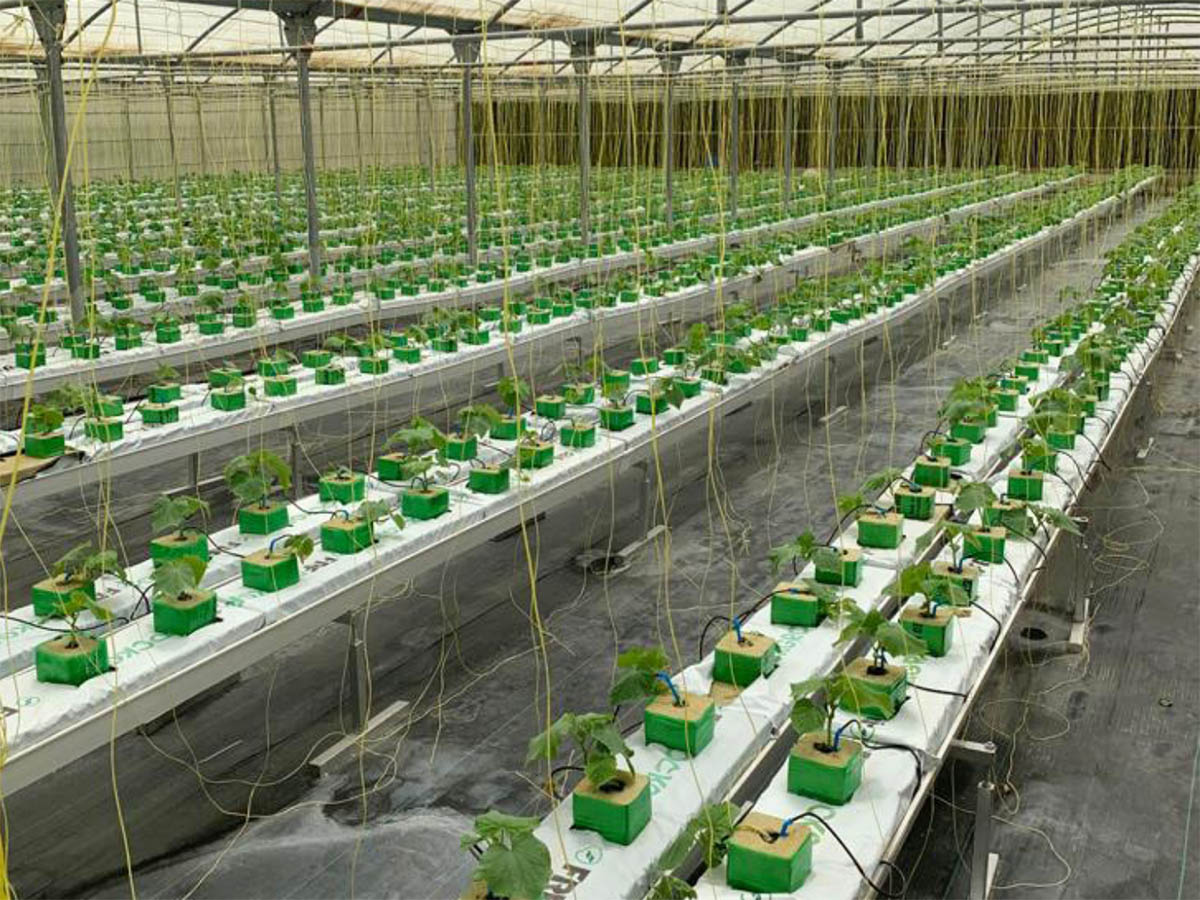
An NFT channel trough system is based on the Nutrient Film Technique (NFT), a hydroponic growing method in which a thin film of nutrient-rich water continuously flows through specially designed NFT channels. Plant roots are partially submerged in the nutrient solution while remaining exposed to oxygen, creating ideal conditions for rapid growth.
Unlike traditional soil cultivation, NFT hydroponics delivers nutrients directly to plant roots, improving efficiency and reducing resource waste.
A typical nft channel trough system includes:
NFT growing channels
Nutrient reservoir
Water pump
Return drainage pipe
Plant support frame
Nutrient solution
These components work together to create a recirculating nutrient film system that continuously feeds plants.
Before learning how to build an NFT system, it's important to understand why NFT hydroponics is widely used.
The nutrient solution is recirculated throughout the system, significantly reducing water consumption compared to traditional farming.
The constant availability of water, nutrients, and oxygen allows plants to develop faster and more consistently.
Multiple hydroponic NFT channels can be installed vertically or horizontally, making efficient use of greenhouse and indoor growing areas.
Since there is no soil involved, many soil-borne diseases and pests are eliminated.
To construct a reliable hydroponic NFT system, gather the following materials:
The most important component is the nft channel itself. Commercial growers often use PVC channels specifically designed for hydroponics.
Recommended specifications:
| Component | Recommended Size |
|---|---|
| Channel Width | 100-150 mm |
| Channel Length | 2-6 meters |
| Plant Hole Diameter | 32-50 mm |
| Channel Slope | 1-3% |
Many commercial growers purchase hydroponic NFT channels wholesale to reduce installation costs for large projects.
A reservoir stores and supplies nutrient solution to all NFT channels.
Choose a pump capable of maintaining a continuous flow through the entire system.
Net pots support seedlings while allowing roots to extend into the nutrient stream.
A stable frame ensures proper channel alignment and slope.
The first step in building an NFT system is determining the number and arrangement of channel NFT units.
Factors to consider:
Available growing space
Crop type
Production capacity
Maintenance accessibility
For commercial greenhouses, multiple rows of hydroponic NFT channels are often installed parallel to each other.
A slight slope allows nutrient solution to flow smoothly.
Typical slope:
1%-3%
Approximately 1-3 cm drop per meter
Proper slope ensures effective nutrient circulation throughout the nutrient film system.
Once the layout is finalized, prepare the NFT channels.
Create evenly spaced holes along each channel.
Recommended spacing:
Lettuce: 20-25 cm
Basil: 15-20 cm
Spinach: 15-20 cm
Proper spacing promotes airflow and healthy growth.
Seal the ends of each nft channel and create inlet and outlet openings for nutrient flow.
The support frame keeps the channels secure and maintains the required slope.
Common materials include:
Galvanized steel
Aluminum
PVC supports
For commercial systems, durable metal frames are preferred because they can support large numbers of channel NFT units.
Position the reservoir at the lowest point of the system.
The pump transports nutrient solution from the reservoir to the upper ends of the NFT channels.
The nutrient solution then flows through each channel and returns to the reservoir for recirculation.
This continuous cycle is what makes the nutrient film system highly efficient.
Before planting, test the system thoroughly.
Check for:
Leaks
Uneven water flow
Blockages
Incorrect channel slope
The nutrient film should be shallow and continuous throughout the hydroponic NFT channels.
Once testing is complete, place seedlings into net pots and insert them into the channel openings.
Popular crops for NFT hydroponics include:
Lettuce
Kale
Spinach
Basil
Mint
Pak choi
Arugula
These crops perform exceptionally well in a properly designed hydroponic NFT system.
Many beginners choose ready-made NFT hydroponics kits because they simplify installation and reduce setup time.
Easy assembly
Pre-designed channel layout
Integrated water circulation
Suitable for beginners
Commercial growers, however, often prefer custom-designed systems using professional NFT channels to maximize productivity and scalability.
A channel that is too flat may cause stagnant water, while excessive slope can prevent roots from absorbing nutrients effectively.
Insufficient flow can reduce nutrient availability and oxygen levels.
Extremely long hydroponic NFT channels may cause nutrient depletion before the solution reaches the end of the system.
Regular cleaning prevents algae buildup and maintains optimal performance.
For commercial greenhouse projects, purchasing hydroponic NFT channels wholesale can significantly lower equipment costs.
When selecting a supplier, consider:
Food-grade PVC materials
UV resistance
Channel durability
Custom length options
Greenhouse project experience
Professional suppliers often provide complete NFT hydroponics kits, growing channels, support structures, and technical guidance for large-scale installations.
Learning how to build an NFT channel trough system is an excellent first step toward efficient hydroponic farming. By carefully designing your NFT hydroponics layout, selecting high-quality NFT channels, and maintaining proper nutrient circulation, you can create a highly productive nutrient film system for both home and commercial applications.
Whether you choose custom-built hydroponic NFT channels or ready-to-install NFT hydroponics kits, a well-designed hydroponic NFT system can provide faster growth, higher yields, and more sustainable crop production. For large greenhouse projects, sourcing hydroponic NFT channels wholesale offers a cost-effective way to scale operations and maximize profitability.

G and N is serving for more than 1,000 customers over 122 countries around the world, offering high-quality products and services to global customers.
Copyright © 2026 G AND N FORTUNE LIMITED All rights reserved.


