
 English

News
Focus on G AND N FORTUNE LIMITED - Get to know the new information of the industry quickly!

2026-01-09 15:58:24
Growing plants without soil has become increasingly popular in recent years, and hydroponics offers a modern solution for indoor gardening. Whether you want fresh greens year-round or are interested in experimenting with innovative farming techniques, understanding how to grow plants in a hydroponic system is essential. In this guide, we will walk you through the basics of hydroponic planting systems, the best setups for an indoor hydroponic garden, and tips for maintaining healthy hydroponic plants.
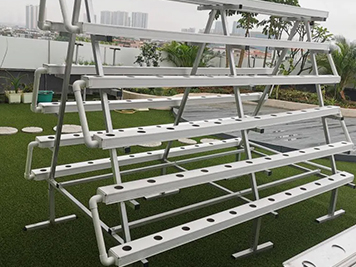
A hydroponic system is a method of growing plants using nutrient-rich water instead of soil. The roots absorb nutrients directly from the solution, which allows for faster growth and higher yields. Common setups include deep water culture, nutrient film technique, drip systems, and aeroponics. For anyone looking to grow plants indoors, a well-designed indoor hydroponic system is the key to success.
Benefits of hydroponics include:
Faster growth rates compared to traditional soil planting
Efficient use of water and nutrients
Ability to grow plants year-round indoors
Reduced risk of soil-borne diseases
To start, you need to choose the right hydroponics growing system. For beginners, an indoor plant growing system such as a small NFT or DWC setup works well. More advanced growers may prefer a larger hydroponic planting system that supports multiple plants, including strawberry plants for hydroponics.
Essential components of an indoor hydroponic system:
Container or grow tray – holds your plants and nutrient solution
Water pump and air pump – provide circulation and oxygenation
Nutrient solution – water mixed with essential minerals (NPK, calcium, magnesium)
Lighting – LED grow lights are perfect for indoor setups
pH and EC meters – monitor nutrient levels to ensure optimal growth
For those aiming to build the best hydroponic indoor garden, consistency in water quality, nutrient balance, and lighting is crucial.
Not all plants are equally suited for a hydroponic system. Leafy greens like lettuce and spinach grow quickly, making them ideal for beginners. For more advanced growers, strawberry plants for hydroponics or cherry tomatoes can thrive in an indoor hydroponic garden with the proper care.
Tips for selecting plants:
Start with fast-growing, low-maintenance crops
Consider your indoor space and light availability
Gradually experiment with fruiting plants once you understand the system
Maintaining your indoor hydroponic system is simpler than traditional gardening, but attention to detail is key. Regularly check water levels, nutrient concentration, and pH levels. Keep your indoor growing system clean to prevent algae growth and plant diseases.
Key maintenance tasks:
Replace nutrient solution every 1–2 weeks
Monitor and adjust pH between 5.5–6.5
Provide 12–16 hours of light per day for most crops
Inspect plant roots and remove any damaged growth
Using a hydroponic planting system allows for greater flexibility and control over plant growth. Some advantages include:
Higher yields in smaller spaces
Indoor cultivation regardless of climate
Reduced need for pesticides and herbicides
Faster crop rotation and continuous harvest
Whether you are setting up a small indoor hydroponic garden or a larger hydroponics growing system, this method can maximize your harvest potential and make indoor plant growing systems more efficient.
Growing plants in a hydroponic system is a rewarding way to enjoy fresh produce at home or in small-scale indoor farms. By selecting the right hydroponic planting system, maintaining proper nutrients and lighting, and choosing plants suitable for hydroponics, anyone can succeed with this modern gardening technique. Whether you want to cultivate leafy greens or strawberry plants for hydroponics, an indoor hydroponic system offers a sustainable and efficient way to enjoy gardening all year long.
For the best hydroponic indoor garden, focus on system design, plant care, and consistency, and you will soon see thriving hydroponic plants ready for harvest.

G and N is serving for more than 1,000 customers over 122 countries around the world, offering high-quality products and services to global customers.
Copyright © 2026 G AND N FORTUNE LIMITED All rights reserved.


