

 English

News
Focus on G AND N FORTUNE LIMITED - Get to know the new information of the industry quickly!

2026-05-21 12:00:41
A floating raft hydroponic system is one of the easiest and most efficient hydroponic methods for growing leafy vegetables and herbs. Also known as raft hydroponics, this growing technique allows plants to float on nutrient-rich water using a hydroponic raft board or hydroponic foam board.
Whether you are planning a commercial farm or a home gardening project, this guide will show you how to build a simple and effective floating raft system hydroponics setup.
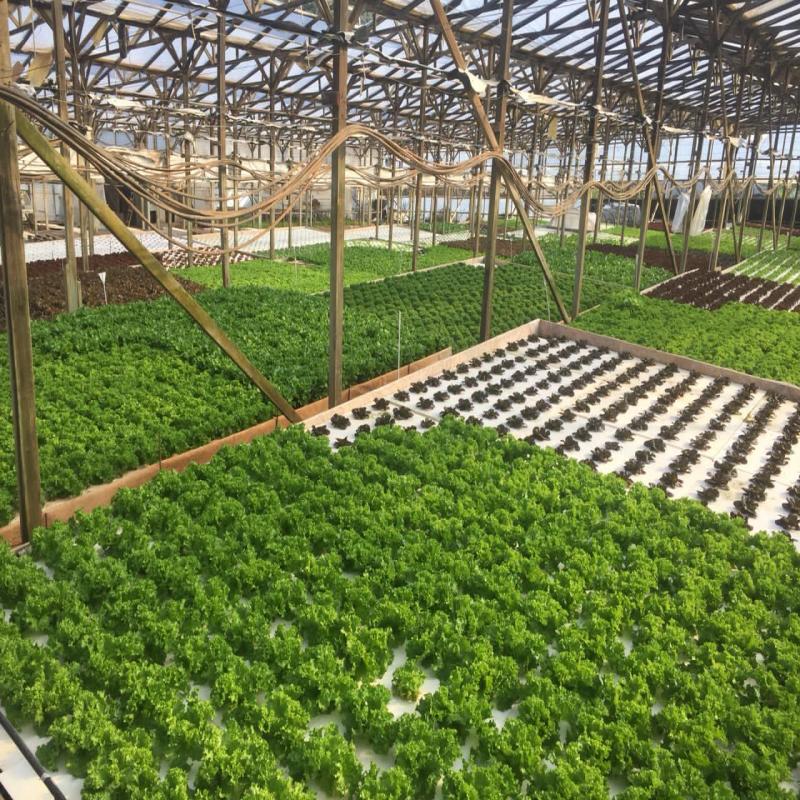
A floating raft hydroponic system is a type of deep water culture raft method where plants are supported on floating boards while roots remain submerged in oxygenated nutrient solution.
This system is also known as:
Raft system hydroponics
Hydroponics floating raft system
DWC raft system
Hydroponic floating raft
Deep water culture raft boards system
It is especially popular for growing lettuce because of its simplicity and fast growth cycle.
Using raft hydroponics provides several advantages:
Easy setup and low maintenance
Efficient water and nutrient use
Fast plant growth
Suitable for commercial and DIY projects
Ideal for lettuce and leafy greens
This is why commercial floating raft hydroponics has become widely used in greenhouse farming and indoor agriculture.
To build a DIY hydroponic raft system, you will need the following materials:
The most important component is the hydroponic raft board.
Common hydroponic raft material options include:
XPS foam board
EPS foam board
Hydroponic styrofoam raft materials
Other lightweight foam board for hydroponics
A durable hydroponic foam board should provide strong buoyancy and water resistance.
You need a container or tank to hold the nutrient solution. This can be:
Plastic tanks
Wooden beds with liners
Commercial hydroponic ponds
The reservoir forms the base of the deep water culture raft system.
Oxygen is critical in any DWC raft system. An air pump with air stones keeps water oxygenated and prevents root diseases.
Cut holes into the hydroponic raft boards for net cups or seedlings. This creates the planting structure for your hydroponic lettuce raft setup.
Fill the reservoir with clean water and hydroponic nutrient solution. Make sure the water depth is sufficient for root growth.
Place air stones in the reservoir and connect them to an air pump. Proper oxygen supply is essential for healthy raft hydroponics.
Use a hydroponic foam board or hydroponic styrofoam raft and cut it to fit the reservoir size.
Then drill evenly spaced planting holes to create your hydroponic raft kit.
Insert seedlings into net pots and place them into the raft holes.
This setup creates a functional hydroponic lettuce floating raft system suitable for lettuce and herbs.
Place the completed hydroponic floating raft onto the nutrient solution. The roots should lightly touch the water.
This completes your floating raft hydroponics DIY system.
The following crops grow especially well in floating raft system hydroponics:
Lettuce
Spinach
Kale
Basil
Pak choi
Herbs and leafy greens
A lettuce floating raft system is one of the most common commercial applications.
A DIY lettuce raft is one of the easiest ways to start hydroponic gardening. Since lettuce has shallow roots and fast growth, it performs extremely well in a hydroponic lettuce raft setup.
Many growers start with small-scale DIY floating raft hydroponics before expanding into commercial production.
Large-scale commercial floating raft hydroponics systems use bigger reservoirs and industrial hydroponic raft boards for high-density crop production.
Commercial benefits include:
Lower labor costs
Water-saving production
High crop consistency
Year-round growing capability
This makes raft hydroponics a preferred system for greenhouse lettuce farms.
The ideal hydroponic raft material should offer:
Strong buoyancy
Water resistance
UV resistance
Long lifespan
Safe food-grade material
XPS and EPS foam remain the most popular materials for foam board for hydroponics.
Building a floating raft hydroponic system is simple, affordable, and highly effective for growing leafy vegetables. Whether you are developing a small DIY hydroponic raft system or a large commercial floating raft hydroponics project, the key components remain the same: quality hydroponic raft boards, proper aeration, and balanced nutrients.
From a beginner-friendly DIY lettuce raft to advanced deep water culture raft boards systems, raft hydroponics provides a reliable and sustainable growing solution for modern agriculture.

G and N is serving for more than 1,000 customers over 122 countries around the world, offering high-quality products and services to global customers.
Copyright © 2026 G AND N FORTUNE LIMITED All rights reserved.


