

 English

News
Focus on G AND N FORTUNE LIMITED - Get to know the new information of the industry quickly!

2026-05-14 16:49:22
Hydroponics has revolutionized modern agriculture by allowing plants to grow without soil. Among the various hydroponic methods, raft hydroponics—also known as Floating Raft hydroponics—stands out for its simplicity, efficiency, and scalability. In this article, we will explore the ins and outs of hydroponic raft systems, from commercial setups to DIY projects, and discuss the best materials for constructing rafts.
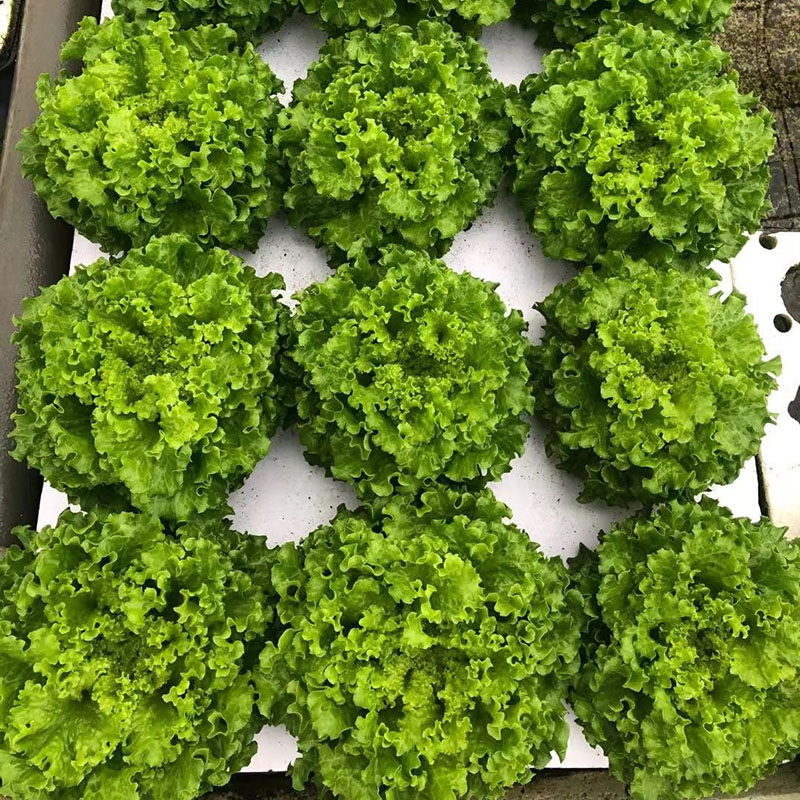
A hydroponic raft system is a method where plants are grown on floating boards that rest on a nutrient-rich water solution. The roots are submerged directly in the solution, absorbing nutrients and oxygen efficiently. This setup is particularly popular for leafy greens like lettuce, spinach, and herbs due to their fast growth and high yield potential.
Also referred to as a hydroponic floating raft system, this method offers several advantages:
Consistent nutrient availability: The plants’ roots are in constant contact with the nutrient solution.
High density planting: Maximizes space efficiency, especially in commercial settings.
Reduced labor: Minimal soil handling and weeding required.
A typical hydroponics floating raft system includes the following components:
Raft boards: These are lightweight and durable boards that float on water. Materials like foam or polystyrene are commonly used. (hydroponic raft material)
Plant supports: Holes or net cups on the raft hold the plants securely while allowing roots to grow into the water.
Nutrient reservoir: A tank or pond filled with water and hydroponic nutrients.
Aeration system: Air pumps or diffusers provide oxygen to the roots to prevent stagnation.
Water circulation: Optional pumps can circulate the solution to maintain uniform nutrient distribution.
Hydroponic lettuce raft systems are one of the most common applications of raft hydroponics. Lettuce thrives in these floating setups because it requires constant water and nutrients. Key considerations include:
Maintaining water temperature between 18–24°C
Monitoring pH levels (5.5–6.5)
Ensuring proper spacing to prevent overcrowding
The use of quality hydroponic raft boards ensures buoyancy and durability, which directly affects plant growth.
For hobbyists or small-scale growers, building a DIY hydroponic raft system can be a fun and rewarding project. Basic steps include:
Select a durable, lightweight raft material such as expanded polystyrene.
Drill evenly spaced holes for net cups or plant pots.
Prepare a nutrient reservoir with a simple air pump for oxygenation.
Place seedlings in the raft and let the roots grow into the solution.
A DIY floating raft hydroponics setup allows experimentation with different crops and system designs, from compact indoor tanks to backyard ponds.
For larger-scale operations, commercial floating raft hydroponics systems offer high productivity and reduced labor costs. These systems are often modular, making it easy to expand and maintain. Benefits include:
Year-round production of high-value crops
Efficient use of water (up to 90% less than soil-based farming)
Scalable designs suitable for greenhouses or controlled environments
The success of a hydroponic raft system depends on the right materials. Common hydroponic raft materials include:
EPS foam (expanded polystyrene): Lightweight, cost-effective, and widely used.
HDPE boards: Durable and resistant to chemical degradation.
PVC sheets: Easy to cut and customize but heavier than foam.
Whether for personal projects or large-scale commercial farming, raft hydroponics and floating raft systems provide a versatile, efficient, and sustainable way to grow crops. From hydroponic lettuce raft systems to DIY floating raft hydroponics, the method is adaptable to different spaces and budgets. Choosing the right raft boards and materials ensures longevity and optimal plant growth.
With proper care, monitoring, and setup, a hydroponic raft system can transform water and nutrients into fresh, healthy produce, all year round.

G and N is serving for more than 1,000 customers over 122 countries around the world, offering high-quality products and services to global customers.
Copyright © 2026 G AND N FORTUNE LIMITED All rights reserved.


